
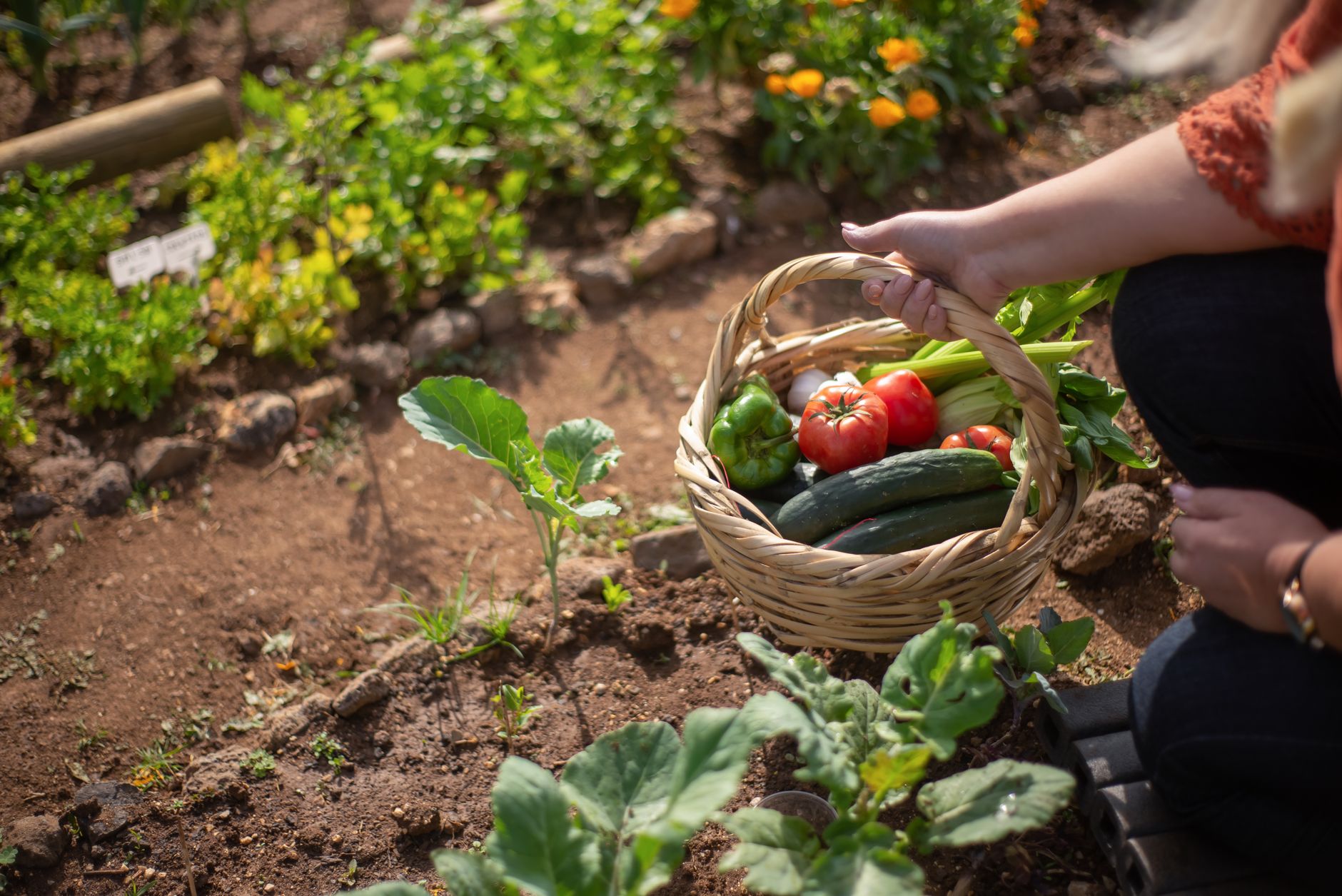
Understanding how climate change impacts food production is increasingly vital in today’s evolving environment. Jimenez and Sons, a notable entity in the agricultural sector, showcases sustainability practices that address these challenges. In this article, we will explore the connections between climate change, agricultural practices, and how to choose and use ingredients effectively in your kitchen.
We will discuss transitioning to sustainable food sources, understanding climate-resilient ingredients, and adapting your cooking techniques to use these ingredients. This guide aims to empower you to make informed decisions about your food while understanding the broader implications of climate change.
Which Climate Change Jimenez and Sons?
Jimenez and Sons operate under principles designed to face climate change head-on through sustainable farming practices. They advocate for using local, seasonally appropriate ingredients. By focusing on what the land can sustainably provide, they help reduce carbon footprints associated with transportation and farming processes.
Understanding their strategies can enhance your cooking and meal planning, leading to better choices in the kitchen that harmonize with the environment.
The Impact of Climate Change on Agriculture
Climate change poses several risks to agriculture, including changing weather patterns, increased pest prevalence, and fluctuating crop yields. Here are some key points to consider:
- Temperature Changes: Increased temperatures can stress crops and reduce yields. Some crops may become unsuitable for certain regions.
- Precipitation Variability: Altered rainfall patterns can lead to droughts or flooding, impacting soil health and crop production.
- Pests and Diseases: Warmer climates can expand the range of pests and diseases, leading to further crop loss.
- Soil Degradation: Unfavorable weather can result in soil erosion and nutrient depletion, impacting long-term agricultural sustainability.
Sustainable Practices by Jimenez and Sons
Jimenez and Sons incorporate several sustainable practices in their farming methods. These practices help mitigate the impacts of climate change on their crops while promoting biodiversity and soil health.
Crop Rotation and Diversity
Practicing crop rotation and maintaining diverse plantings help improve soil health and reduce pest outbreaks. By rotating crops, farmers can avoid depleting specific nutrients and can disrupt the life cycles of crop-specific pests.
Conservation Tillage
Reduce soil disturbance by implementing conservation tillage techniques. This method helps maintain soil structure, enhances nutrient content, and promotes water retention, benefiting crops during dry spells.
Use of Cover Crops
Cover crops, such as clover or rye, can improve soil health during off-seasons. These plants help prevent erosion, suppress weeds, and enhance soil fertility when turned back into the ground.
Water Management Techniques
Innovative irrigation practices, such as drip irrigation or rainwater harvesting, can help in using water more efficiently and sustainably. Reducing water waste is crucial amid ongoing changes in weather patterns.
Choosing Climate-Resilient Ingredients
Cooking with climate-resilient ingredients helps you adapt to the challenges posed by climate change while enjoying flavorful meals. Here’s a guide to selecting appropriate ingredients based on Jimenez and Sons’ practices:
Local and Seasonal Produce
Opt for fruits and vegetables that are in season and sourced locally. They not only support local farmers but also reduce transportation emissions and often taste better. Seasonal calendars can guide your selections.
Legumes and Pulses
Legumes, such as lentils and chickpeas, are excellent protein sources and have a lower carbon footprint compared to animal-based proteins. They also improve soil health when used in crop rotations.
Whole Grains
Choose whole grains like quinoa, farro, and brown rice that are more resilient to climate stressors. These grains are nutritious and can serve as the basis for hearty meals.
Native and Adaptive Varieties
Support heirloom varieties and crops recognized for their resilience in local conditions. These varieties often require fewer resources and are better equipped to handle fluctuations in climate.
Understanding Cooking Techniques in a Changing Climate
Adapting your cooking techniques can also help you embrace sustainable practices. The way you prepare and cook food can minimize waste and enhance flavors.
Batch Cooking and Meal Prep
Batch cooking allows you to maximize resources and minimize waste. Prepare ingredients in bulk to simplify meal planning and storage. Here’s a basic guide:
- Choose Ingredients Wisely: Base your meals on seasonal produce and local ingredients.
- Prep Ahead: Wash, chop, and store vegetables in airtight containers to keep them fresh longer.
- Cook in Batches: Prepare large quantities of grains, proteins, and sauces. Store in portions to use throughout the week.
- Label and Store: Clearly label containers with dates to keep track of freshness. Use freezer-safe packaging to store meals for longer durations.
Minimizing Waste Through Smart Cooking
Utilizing scraps and leftovers in creative ways can reduce food waste significantly. Here are some ideas:
- Vegetable Scraps: Use leftover vegetable peels, stems, and leaves to make homemade vegetable stock.
- Stale Bread: Transform stale bread into croutons or breadcrumbs.
- Citrus Peels: Zest or candy citrus peels to use in desserts or garnishes.
Incorporating Climate-Smart Ingredients in Recipes
Here’s a simple recipe that showcases the integration of climate-resilient ingredients while providing a satisfying meal. You can easily adapt this recipe based on what’s seasonal in your area.
Seasonal Vegetable and Lentil Stew
This hearty stew celebrates the richness of local produce and pulses, offering comfort while remaining sustainable.
Yield: 4 servings
Preparation Time: 15 minutes
Cooking Time: 45 minutes
Total Time: 1 hour
Ingredients
- 1 cup dried lentils (any variety)
- 1 tablespoon olive oil
- 1 large onion, diced
- 2 cloves garlic, minced
- 2 carrots, diced
- 2 celery stalks, diced
- 1 bell pepper, diced
- 1 zucchini, diced
- 1 can (14 oz) diced tomatoes
- 4 cups vegetable broth
- 1 teaspoon dried thyme
- 1 teaspoon smoked paprika
- Salt and pepper to taste
Essential Equipment
- Large pot or Dutch oven
- Wooden spoon
- Knife and chopping board
Method
- Rinse lentils under cold water and set aside.
- In a large pot, heat olive oil over medium heat. Add the onion and garlic, sautéing until translucent.
- Add carrots, celery, and bell pepper to the pot. Cook for 5-7 minutes until softened.
- Stir in zucchini, diced tomatoes, lentils, vegetable broth, thyme, and smoked paprika.
- Bring to a boil, then reduce heat to low. Cover and let simmer for 30-35 minutes, or until lentils are tender, adding more broth if necessary.
- Season with salt and pepper to taste. Serve warm.
Variations and Substitutions
- For a spicier stew, add chopped chili peppers.
- Substitute any seasonal vegetables based on availability and preferences.
- Use quinoa or barley instead of lentils for a different texture and flavor.
Storage and Reheating
This stew can be safely stored in the refrigerator for 3-5 days or frozen for up to three months. To reheat, simply warm on the stove over medium heat until heated through. Add a splash of water or broth if the stew thickens during storage.
Common Cooking Mistakes and Troubleshooting
When preparing the stew, here are a couple of common mistakes and their solutions:
- Undercooked Lentils: Ensure lentils are cooked to desired tenderness by checking every few minutes as they simmer.
- Too Thick: If the stew becomes thicker than desired, simply add more broth or water gradually until reaching the desired consistency.
Best Practices for Sustainable Eating
Embracing sustainable eating habits can start with small changes in your daily routine. Here are some practical tips:
- Plan meals based on seasonal ingredients to reduce carbon footprints.
- Grow your own herbs and vegetables if possible, or support local farmers through farmers’ markets.
- Practice mindful shopping by reducing plastic use, choosing bulk options, and avoiding single-use packaging.
Embracing Climate Conscious Cooking
Understanding the impact of climate change on food systems not only shapes your cooking but also empowers you as a consumer. Transitioning to climate-resilient ingredients, practicing sustainable cooking methods, and following Jimenez and Sons’ example can make a significant difference in your meals. It reflects a thoughtful approach to food amid challenges posed by climate change.
As a final step, consider trying new recipes or incorporating more local, seasonal foods into your diet. Embrace creative cooking without compromising sustainability. Explore further into seasonal recipes, ingredient guides, or meal-prepping ideas to support your culinary journey.
Explore related recipes, cooking tips, or food guides as you transition to climate-conscious cooking.