
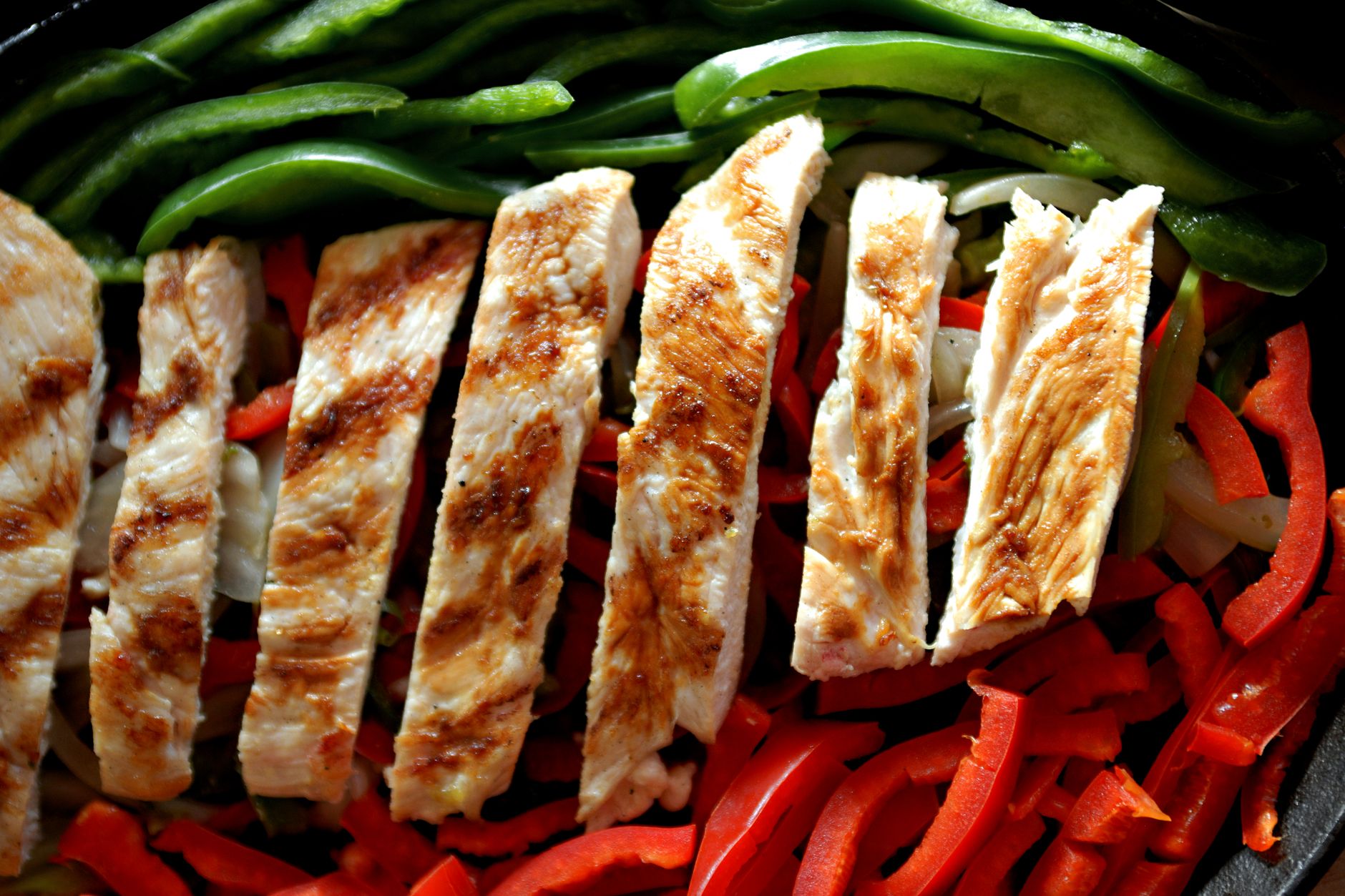
Fajitas, a popular Mexican dish characterized by grilled meat and vegetables served with tortillas, have grown immensely in popularity across the globe. Although commonly associated with Tex-Mex cuisine today, the origins of fajitas can be traced back to a specific region in Texas. This article explores where fajitas were invented, their evolution, cultural significance, and tips for making them at home.
What started as a simple method for preparing carne asada eventually blossomed into a beloved culinary staple. Understanding its historical roots not only highlights the cultural fusion of the dish but also provides insight into how it became a household favorite.
Where Were Fajitas Invented?
Fajitas were invented in the early 1930s in the border region of Texas, specifically in the town of Laredo. The dish originated when Mexican ranch workers, called “vaqueros,” used leftover cuts of meat, typically skirt steak, that were cooked over an open flame. This deliciously simple method laid the foundation for what we now know as fajitas.
The Evolution of Fajitas: A Cultural Journey
The humble beginnings of fajitas are steeped in Mexican and Texan cultural practices. Initially created as a practical dish for ranch hands, fajitas were served with tortillas and held together with a simple mix of grilled meat and vegetables. However, it wasn’t until the 1970s that fajitas began to gain national prominence in the United States.
In the 1970s, a restaurant in San Antonio called “Ninfa’s” began serving fajitas in a way that appealed to a broader audience. The owner, Ninfa Rodriguez, made her fajitas famous by introducing them with flavorful marinades and various accompaniments. Her innovative approach popularized fajitas, leading to widespread adoption throughout Tex-Mex cuisine.
The Ingredients That Make Fajitas Special
At their core, fajitas are a dish made of grilled meat served with flour or corn tortillas, but the components you choose can greatly enhance the flavor and texture. Here are the main ingredients typically found in fajitas:
- Meat: Skirt steak, chicken, shrimp, or tofu are popular choices, each contributing its unique flavor.
- Vegetables: Bell peppers and onions are the classic choices, but you can mix in other vegetables for extra flavor.
- Tortillas: Flour tortillas are most common, but corn tortillas offer a gluten-free option.
- Seasoning: Cumin, chili powder, garlic powder, and lime juice are excellent choices for flavoring the meat and vegetables.
- Toppings: Optional toppings include guacamole, salsa, cheese, sour cream, and fresh herbs like cilantro.
Essential Tools for Preparing Fajitas
To prepare crispy, flavorful fajitas, certain tools can make the cooking process easier. These include:
- Grill or Grill Pan: For that authentic charred flavor.
- Mixing Bowls: For marinating the meat and prepping vegetables.
- Knives: Sharp knives are essential for slicing meat and vegetables evenly.
- Tongs: Useful for handling hot meat and vegetables.
- Cutting Board: An essential surface for chopping ingredients.
How to Prepare Fajitas at Home
Now that you understand the origins and ingredients of fajitas, it’s time to explore how to make them at home. This section will provide a detailed step-by-step guide on preparing fajitas that are both delicious and satisfying.
Preparation Time
Preparation Time: 20 minutes
Cooking Time: 15 minutes
Total Time: 35 minutes
Servings: 4
Ingredients
- 1 lb skirt steak (or chicken, shrimp, or tofu)
- 2 bell peppers (red and green), sliced
- 1 medium onion, sliced
- 2 tbsp olive oil
- 1 tsp cumin
- 1 tsp chili powder
- 1 tsp garlic powder
- Juice of 1 lime
- Salt and pepper to taste
- 8 flour or corn tortillas
- Optional toppings: guacamole, salsa, cheese, sour cream, cilantro
Step-by-Step Instructions
- Start with marinating the meat. In a mixing bowl, combine olive oil, lime juice, cumin, chili powder, garlic powder, salt, and pepper. Add the skirt steak, ensuring it is well coated. Allow it to marinate for at least 15 minutes (or longer for more flavor).
- While the meat is marinating, prepare the vegetables. Slice the bell peppers and onion into strips and set aside.
- Preheat the grill or grill pan over medium-high heat. If using a grill pan, add a little olive oil to prevent sticking.
- Once the grill is hot, add the marinated meat. Grill for about 3-4 minutes on each side for medium-rare, or until it reaches your desired doneness. Remove the meat from the grill and let it rest for a few minutes before slicing.
- In the meantime, add the sliced vegetables to the grill and cook for about 5-7 minutes, until they are soft and slightly charred.
- Once the meat has rested, slice it against the grain into thin strips. Combine it with the grilled vegetables.
- Warm the tortillas on the grill or in a separate pan for about 30 seconds on each side.
- Serve the meat and vegetable mixture on warmed tortillas and top with your choice of guacamole, salsa, cheese, or sour cream.
Practical Substitutions and Variations
Fajitas offer numerous opportunities for customization, making them versatile for different dietary preferences and tastes. Here are some practical substitutions:
- Meat Alternatives: Instead of skirt steak, try chicken, shrimp, or even grilled vegetables for a vegetarian option.
- Spices: If you prefer a different flavor profile, consider using taco seasoning, smoked paprika, or even a chipotle sauce for a smoky kick.
- Vegetables: Feel free to add mushrooms, zucchini, or corn to enhance the vegetable mix.
- Tortillas: If you are gluten-free, opt for corn tortillas or lettuce wraps instead of flour tortillas.
Common Mistakes and Troubleshooting
When making fajitas, certain mistakes can lead to less-than-ideal results. Here are some common pitfalls and how to avoid them:
- Overcooking the Meat: Ensure you monitor the time when grilling the meat to avoid toughness. Use a meat thermometer and aim for an internal temperature of 135°F (57°C) for medium-rare.
- Not Marinating Enough: For optimal flavor, allow the meat to marinate for at least 15 minutes or up to several hours for deeper flavors.
- Skipping the Resting Period: Allow cooked meat to rest for 5-10 minutes before slicing to retain juices.
Serving Suggestions
Fajitas are often served as a communal dish, allowing everyone to build their tacos. Here are some serving suggestions to elevate your meal:
- Provide a variety of toppings, so guests can customize their fajitas as they prefer.
- Pair with chips and salsa, or a side salad for a complete meal.
- Offer beverages such as margaritas, Mexican beer, or horchata to complement the flavors.
Make-Ahead Guidance
Fajitas can be prepared in advance, making them ideal for busy weeknights or meal prepping. Here are some tips:
- Marinate the meat the night before to allow for maximum flavor.
- Grill the meat and vegetables ahead of time and store them in the refrigerator. Reheat them in a skillet before serving.
- Pre-chop ingredients and keep them in airtight containers, so they are ready to go when you need them.
Storing and Reheating Fajitas
If you have leftover fajitas, store them properly to maintain flavor and texture. Here’s how:
- Store any leftover meat and vegetables in an airtight container in the refrigerator for up to 3 days.
- To reheat, place the mixture in a skillet over medium heat, stirring occasionally until heated through.
- Warmed-up tortillas can be placed in a hot skillet or wrapped in foil and warmed in the oven.
The Cultural Significance of Fajitas
While the origins of fajitas stem from a practical need for sustenance, they have evolved into a symbol of culinary fusion between Mexican and Texan cultures. Fajitas are often served during communal gatherings, family dinners, and festive occasions, reflecting a sense of togetherness.
Notably, the dish represents how food ties people together and how cultural experiences can be shared and enjoyed through food. As they have gained popularity in various formats, fajitas invite experimentation while retaining their core flavors and traditional roots.
Finding Authentic Fajitas
If you’re looking to enjoy authentic fajitas outside of your home kitchen, many Tex-Mex restaurants serve them deliciously. When searching for a good spot, consider these tips:
- Look for restaurants with a focus on Tex-Mex cuisine.
- Check reviews for mentions of freshly grilled meat and flavorful marinades.
- Pay attention to the quality of the tortillas – freshly made varies greatly from prepackaged.
This unique dish embodies culinary history with roots in ranch life and cultural collaboration. With every bite of fajitas, you can taste the tradition that has evolved into a modern favorite. Whether you choose to prepare them at home or explore your local eateries, enjoy every opportunity to savor this delightful dish.
If you’re curious to explore more recipes and food guides, check out our chicken fajita seasoning recipe or our steak burrito recipe for more delicious Tex-Mex options!