
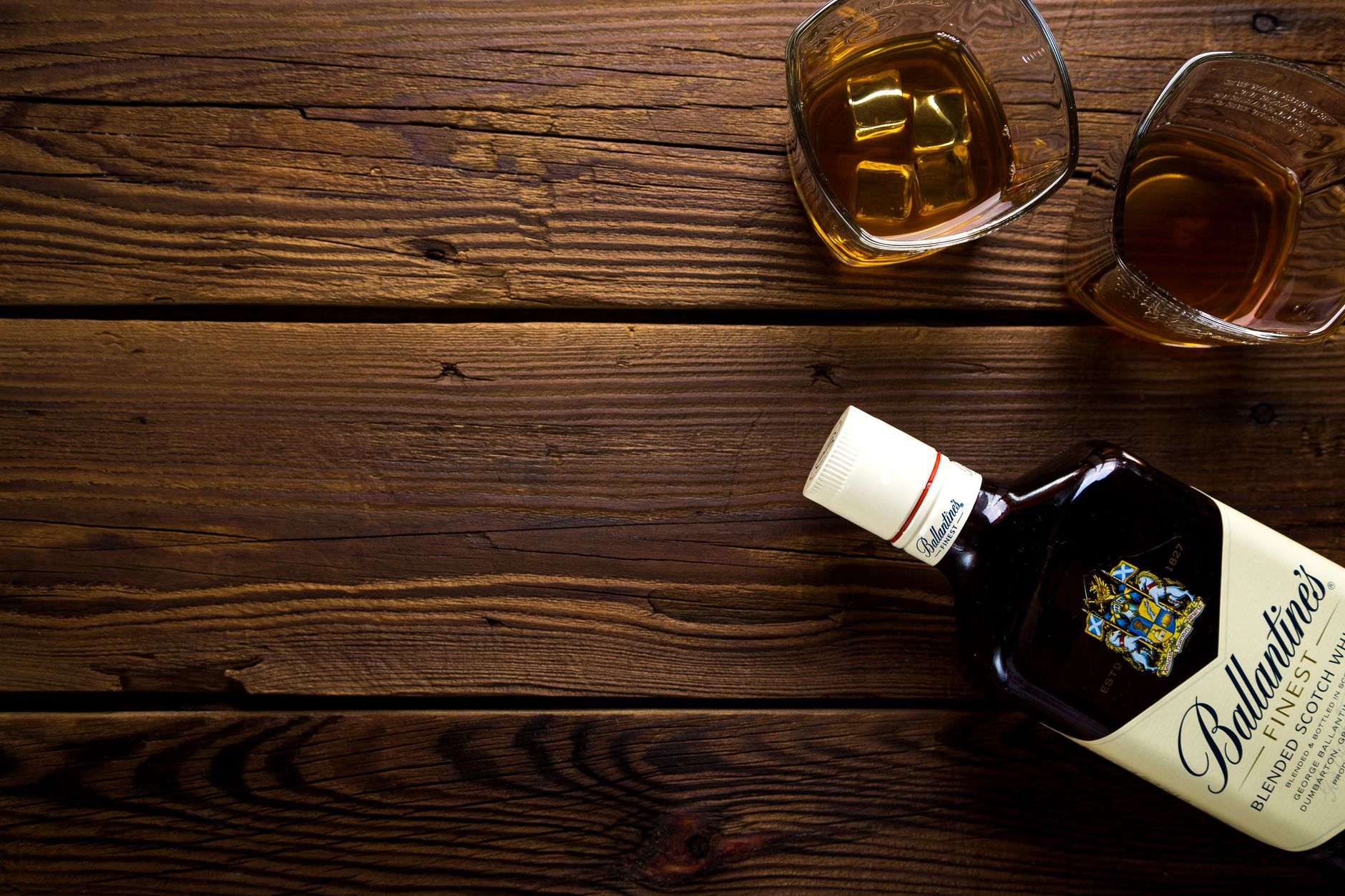
Whiskey, a beloved spirit known for its rich flavors and warming qualities, has a complex history that traces back to ancient times. Understanding where whiskey was invented provides insight into its cultural significance and variations across regions. This article will explore the origins of whiskey, its evolution, and how it has shaped drinking traditions around the world.
From the rolling hills of Scotland to the distilleries of Kentucky, whiskey has woven itself into the fabric of various cultures. This guide will dive into the historical context, key ingredients, and the distinct types of whiskey that emerged from its birthplace and beyond.
Where Was Whiskey Invented?
Whiskey was first distilled in Ireland and Scotland around the early 12th century. Sources indicate that the production process involved malted barley and was known as “uisge beatha” in Gaelic, translating to “water of life.” This spirit later made its way across the Atlantic, where American distillers developed their unique variations.
The Historical Context of Whiskey in Ireland and Scotland
The history of whiskey begins with early distillers in Ireland and Scotland. The practice of distillation was brought back to Europe by returning Crusaders after their voyages to the Middle East, where they encountered the production of alchemical spirits. This new knowledge merged with local brewing traditions, leading to the emergence of whiskey.
Early Distillation Practices
Early distillation methods primarily focused on creating medicinal tinctures. As monks honed these techniques in the monasteries of Ireland and Scotland, the production of whiskey became more widespread. By the 14th century, both countries were known for producing whiskey, but with some variations.
The Role of Monasteries
Monastic communities played a crucial role in the refinement of distillation practices. They were among the first to legally produce whiskey, utilizing barley and water. As whiskey became more popular, the monks shared their expertise, and the art of distillation spread through the countryside.
The Evolution of Whiskey Production
As production methods progressed, the ingredients and processes evolved. The primary ingredient in whiskey is grains, which vary depending on the whiskey type. Barley, corn, rye, and wheat all contribute distinct flavors and textures to the final product.
Ingredients Used in Whiskey Production
- Barley: Commonly used in Scotch and Irish whiskey, it can be malted or unmalted.
- Corn: The primary grain in bourbon, contributing sweetness and body.
- Rye: Adds spiciness and complexity, often found in rye whiskey.
- Wheat: Sometimes added to soften the final product’s flavor, often used in certain bourbons.
The Distillation Process
The distillation of whiskey generally involves three main steps: mashing, fermentation, and distillation. Each step significantly influences the final flavor profile.
- Mashing: Grains are ground and mixed with hot water to create a mash. This activates enzymes that convert starches into sugars.
- Fermentation: Yeast is added to the mash, converting sugars into alcohol. This process typically lasts several days.
- Distillation: The fermented liquid, or “wash,” is heated in stills. Alcohol vapors rise and are collected, usually resulting in two distillations for smoother whiskey.
The Varieties of Whiskey
Whiskey produced in various regions has distinct characteristics influenced by local ingredients and traditions. Here are some prominent types:
Irish Whiskey
Irish whiskey is typically triple-distilled for a smooth finish. It primarily uses malted and unmalted barley, often aged in used oak barrels, which imparts a light, fruity flavor. Some popular brands include Jameson and Bushmills.
Scotch Whisky
Scotch whisky, noting the absence of the ‘e,’ is known for its diverse flavor profiles stemming from the specific region where it’s produced. It can be single malt (from one distillery) or blended and often features peaty flavors from malted barley dried over peat fires.
Bourbon
An American classic, bourbon must contain at least 51% corn. It’s characterized by its sweet and full-bodied flavor, traces of caramel and vanilla from the charred oak barrels it’s aged in. Brands like Maker’s Mark and Jim Beam are widely recognized.
Rye Whiskey
Rye whiskey, typically made with at least 51% rye, brings a spicy flavor to the forefront. Canadian whiskies often blend rye with other grains, making them smoother, while American ryes are generally bolder and more pronounced.
Whiskey Production Around the World
Beyond Ireland and Scotland, whiskey is produced globally, each region contributing its unique twist. Here are some noteworthy examples:
Canada
Canadian whisky often includes a blend of grains and is typically known for its lighter taste and smoothness. Many Canadians call their spirit “rye,” regardless of the grain composition. Well-known brands include Crown Royal and Canadian Club.
Japan
Japanese whisky has gained international acclaim for its quality, often mimicking Scotland’s distilling traditions. It emphasizes meticulous craftsmanship and balance, with distilleries like Yamazaki setting high standards.
India
India’s whisky scene is burgeoning, with many brands producing notable spirits. Indian whisky often uses molasses or sugarcane, making it distinct from traditional grain-based whiskies. Major brands include Amrut and Paul John.
How to Enjoy Whiskey
Whiskey is versatile in its consumption, often enjoyed neat, on the rocks, or in cocktails. Understanding the best serving methods can enhance the experience:
- Neat: Sipping whiskey straight allows the drinker to appreciate its full flavor profile.
- On the Rocks: Adding ice slightly chills the whiskey, slowly diluting it and bringing out nuanced flavors.
- Cocktails: Whiskey forms the base for many classic cocktails like the Old Fashioned and Manhattan. Experimenting with mixers can create varied drinking experiences.
Whiskey Cocktails to Try
Here are a couple of classic whiskey cocktails to explore:
- Whiskey Sour – A refreshing blend of whiskey, lemon juice, and simple syrup.
- Old Fashioned – A timeless cocktail made with whiskey, sugar, and bitters, garnished with an orange twist.
Common Misconceptions About Whiskey
With a drink steeped in tradition, there are many misconceptions that have developed over time. Here’s a look at a few:
- All whiskey is the same: Different regions and production methods yield unique flavor profiles and characteristics.
- Whiskey must be aged for a certain number of years: While aging enhances flavor, not all whiskies require extended aging to be considered high quality.
- High-proof whiskey is always better: Personal preference plays a significant role, and higher alcohol content does not necessarily equate to a more desirable drink.
Storing and Serving Whiskey
Proper storage can enhance the longevity of your whiskey. Here are some tips to maximize your whiskey experience:
- Store bottles upright in a cool, dark place to avoid light and temperature shocks.
- Use a well-sealed stopper to minimize oxidation once opened.
- Serve whiskey at room temperature or slightly chilled for optimal taste.
Whiskey Tasting and Pairing
Engaging in a whiskey tasting can broaden your appreciation for this multifaceted spirit. When hosting a tasting, consider the following:
- Offer a range of whiskeys from different regions to showcase their distinct styles.
- Provide palate cleansers, such as water or crackers, to prepare for tasting each new whiskey.
- Consider food pairings such as cheeses, chocolates, or meats that complement whiskey flavors.
The Significance of Whiskey in Culture
Whiskey has held a significant place in various cultures, often symbolizing celebration and tradition. Pubs and bars across the globe serve as gathering spots, sharing laughter and conversation over a glass of whiskey.
Festivals dedicated to whiskey celebrate local distillers and unique expressions of this spirit, promoting community involvement and cultural exchange. Whether it’s a whiskey tasting event or a themed dinner party, whiskey brings people together.
Conclusion
With its roots in Ireland and Scotland, whiskey has transcended borders and evolved into a global phenomenon cherished for its diversity and craftsmanship. Understanding where whiskey was invented enriches the appreciation for this remarkable spirit.
Whether you’re sipping on a smooth Irish whiskey or experimenting with a bold bourbon cocktail, whiskey offers a warming experience that reflects its rich history and cultural significance. Explore whiskey, delve into its varieties, and embrace the stories behind each bottle.
For more exciting recipes and tips, check out our Whiskey Sour recipe and explore the classic Wisconsin Old Fashioned recipe to complement your whiskey journey.