
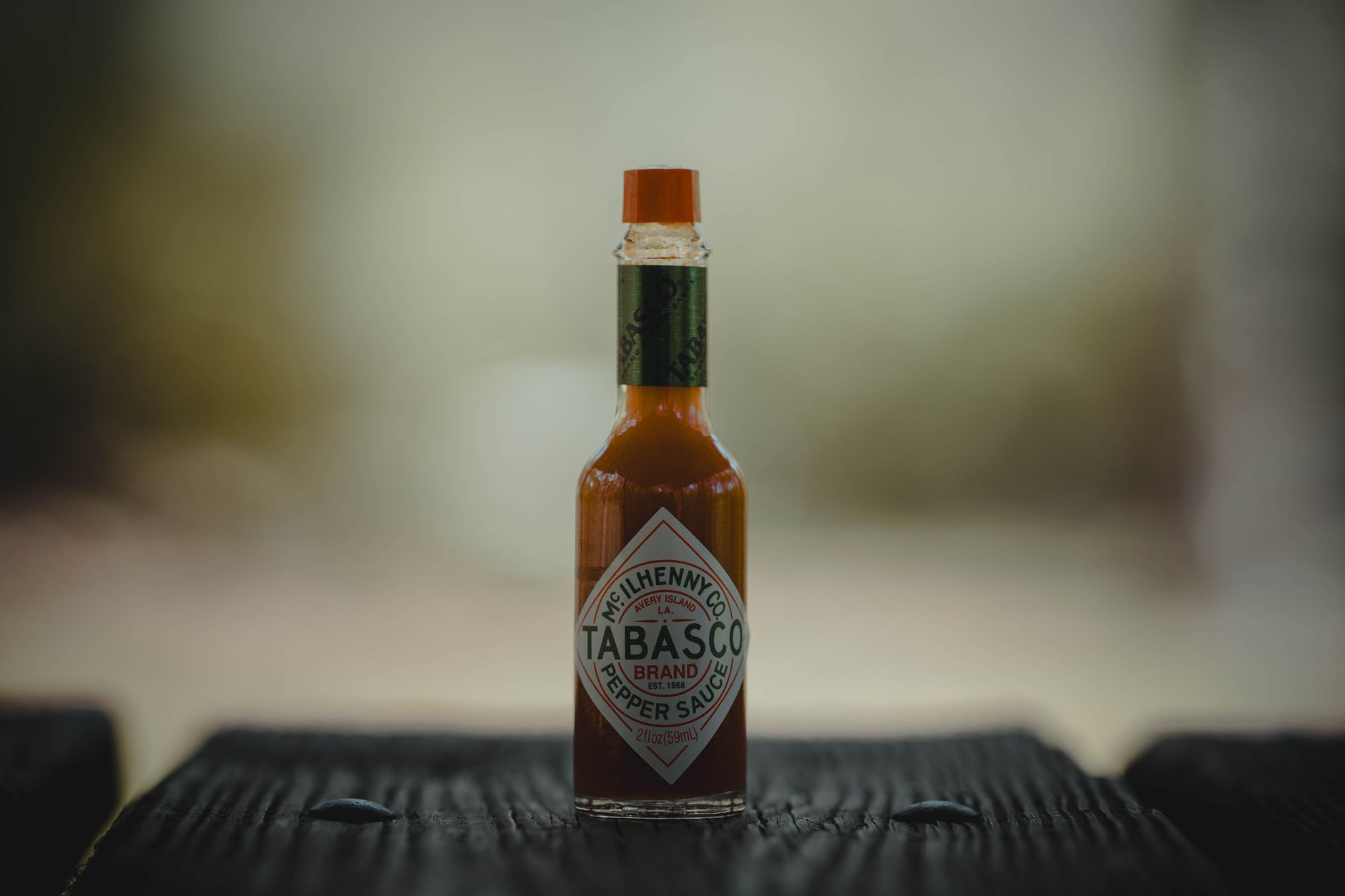
Tapatío hot sauce is a staple condiment known for its unique blend of flavors and heat, often found in many American homes as well as Mexican restaurants. However, many people are curious about where this beloved sauce is actually made. Understanding the origins of Tapatío not only enriches its appreciation but also provides insight into how its distinct flavor profile is crafted.
This article delves into the history, production process, and various culinary uses of Tapatío, ensuring that you have a comprehensive understanding of this iconic sauce.
Where Is Tapatío Made?
Tapatío hot sauce is made in the United States, specifically in Vernon, California. It was founded by a Mexican immigrant, José Luis Saavedra, who began producing the sauce in 1971. Since then, it has become a popular condiment throughout the U.S. and beyond.
The Origins of Tapatío
The name “Tapatío” is derived from the word “Tapatio,” which refers to the people from Guadalajara, Jalisco, Mexico. José Luis Saavedra, the creator of Tapatío, wanted to honor his heritage while introducing a sauce that blended traditional Mexican flavors with the tastes captivating American audiences.
From humble beginnings in a small kitchen, Tapatío has grown significantly, and today, it is produced on a commercial scale. The sauce retains its original recipe, which includes ingredients like red chili peppers, vinegar, garlic powder, and spices, ensuring that its authentic flavor remains consistent.
Production Process of Tapatío
The production of Tapatío involves several carefully controlled steps to maintain consistency and quality.
Ingredients
The primary ingredients in Tapatío hot sauce include:
- California red chili peppers
- Vinegar
- Water
- Garlic powder
- Spices
- Salt
Step-by-Step Production
- Sourcing Ingredients: The process begins with sourcing high-quality California red chili peppers. The peppers are crucial for imparting the sauce’s flavor and heat level.
- Roasting Peppers: The selected peppers are roasted to enhance their flavor. This step helps bring out the natural sweetness of the peppers while contributing to the sauce’s smokiness.
- Blending: After roasting, the peppers are blended with vinegar, water, garlic powder, spices, and salt. This combination creates the base of Tapatío hot sauce.
- Cooking: The blended mixture is then cooked at a controlled temperature. This step serves to meld the flavors together, ensuring a rich and well-balanced sauce.
- Bottling: Once cooked, the sauce is filtered and automatically bottled. Quality checks are performed during this stage to ensure that each bottle meets the brand’s standards.
- Distribution: Finally, the bottled Tapatío is distributed to various retailers, allowing consumers to access the beloved hot sauce in their kitchens.
Flavor Profile and Heat Level
Tapatío hot sauce stands out for its balanced flavor profile, which combines the heat of chili peppers with the tanginess of vinegar and aromatic garlic. The heat level of Tapatío is considered moderate, making it a versatile condiment
On the Scoville scale, Tapatío measures around 3,000 to 4,000 Scoville Heat Units (SHU). This level of heat provides a pleasant kick without overwhelming the taste buds. As such, it can be enjoyed by those who prefer milder flavors as well as those who crave a bit of spice.
Culinary Uses of Tapatío
Tapatío is not just a hot sauce; it serves as a multi-functional ingredient in a variety of dishes. Here are several popular culinary uses:
As a Condiment
Tapatío is most commonly used as a condiment. Whether you’re enjoying tacos, burritos, quesadillas, or eggs, a splash of Tapatío can elevate the dish and add a burst of flavor.
In Marinades
The sauce can be used as an ingredient in marinades for meats such as chicken, beef, or pork. Mixing Tapatío with olive oil, lime juice, and garlic creates a zesty marinade that enhances the meat’s flavor.
In Soups and Stews
Tapatío can also be added to soups and stews to enhance the dish’s overall flavor. A few dashes of the sauce in a tomato-based soup or chili will provide an extra layer of depth and warmth.
Drizzling on Pizza
Consider drizzling Tapatío over pizza to combine creamy and spicy flavors. The hot sauce complements cheese, toppings, and even the crust.
In Dips
Tapatío can be mixed into dips, such as guacamole or sour cream, to create a delicious, spicy accompaniment perfect for chips or veggies.
In Breakfast Dishes
Incorporating Tapatío into breakfast dishes like omelets, breakfast burritos, or hash browns can help kickstart your day with flavor and zest.
Substitutions and Variations
If you find yourself in need of a substitute for Tapatío, here are a few options that can provide similar flavors:
- Cholula Hot Sauce: Similar in flavor and heat level, Cholula can serve as an effective replacement.
- Sriracha Sauce: With a slightly sweeter flavor profile, Sriracha can add heat, though it may alter the dish’s overall taste slightly.
- Frank’s RedHot: This sauce offers a more vinegar-forward flavor and could work well for recipes that require a tangy hot sauce.
Common Mistakes to Avoid When Using Tapatío
Using Tapatío should enhance your dishes, but there are common pitfalls to avoid:
- Overusing: Because Tapatío has a strong flavor, adding too much can overpower a dish. Start with a smaller amount and adjust as needed.
- Ignoring Flavor Pairing: While Tapatío goes well with many foods, it’s important to consider flavor profiles. Using it in dishes with clashing flavors can detract from the overall experience.
- Not Considering Heat Sensitivity: Be mindful that not everyone enjoys heat. Always ask guests or family members how much spice they enjoy before adding more Tapatío than they might want.
Storage Tips for Tapatío
To keep Tapatío fresh and flavorful, proper storage is essential:
- Storage Location: Store Tapatío in a cool, dry place away from direct sunlight. A pantry or cupboard is ideal.
- Refrigeration: While Tapatío does not require refrigeration, it can be kept in the fridge to preserve freshness after opening.
- Shelf Life: When stored properly, Tapatío can last for several years. Always check for any discoloration or off smells before use.
In conclusion, understanding where Tapatío is made, how it is produced, and its diverse culinary applications enhances your appreciation for this beloved hot sauce. Whether you use it to spice up a casual meal or incorporate it into your favorite recipes, Tapatío adds a vibrant kick that can please any palate.
Now that you know more about Tapatío and how to use it in your cooking, consider exploring other exciting recipes and cooking tips. For instance, you might want to know if you need to refrigerate Cholula or try out a delicious mango habanero sauce recipe. Enjoy your culinary adventures!