
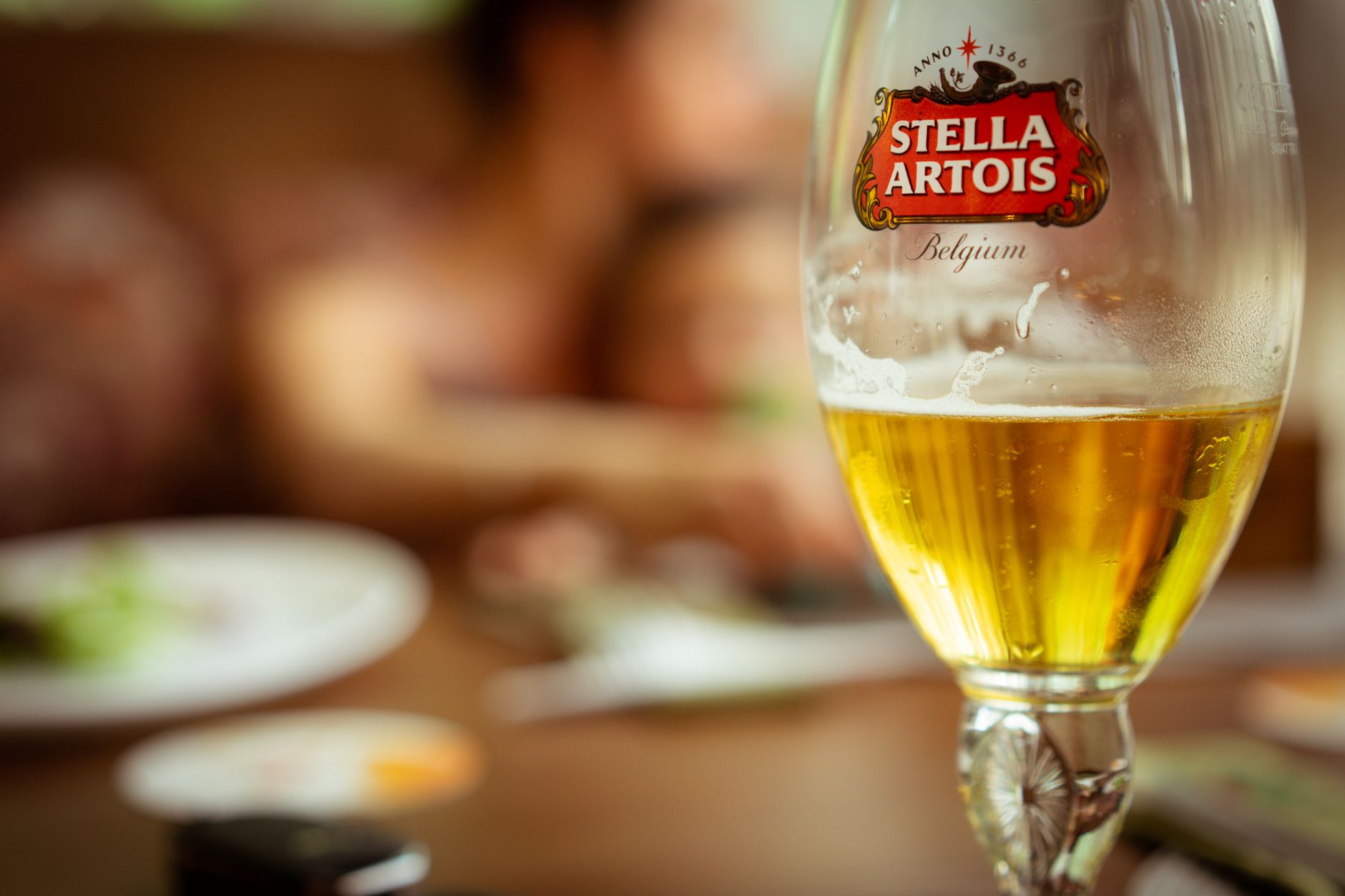
Stella Artois is a renowned lager beer that hails from the city of Leuven in Belgium. This iconic beverage has a rich heritage that spans several centuries, combining traditional brewing methods with high-quality ingredients to create its distinct flavor profile.
Understanding where Stella Artois comes from not only enriches your appreciation of this beer but also illuminates the craft of Belgian brewing as a whole. This article delves into the history, origins, and unique qualities that define Stella Artois.
Where Is Stella Artois From?
Stella Artois originates from Leuven, Belgium, where it was first brewed in 1708. The beer takes its name from Sebastian Artois, who became the master brewer at the Den Hoorn brewery, which later evolved into the Stella Artois brand. This downtown location is a significant part of its legacy, contributing to its craftsmanship and quality.
The Historical Background of Stella Artois
The story of Stella Artois begins in the 14th century with the establishment of the Den Hoorn brewery. Belgium has a long tradition of brewing, stemming back to the Middle Ages, and Leuven emerged as a brewing hub due to its rich agricultural resources and proximity to crucial transport routes.
In 1708, Sebastian Artois took charge of the brewery, which he later transformed into a famed institution for producing high-quality beers. The name “Stella” was first used in 1926 as a nod to the Christmas star (“Stella” means star in Latin) and has since become synonymous with the lager.
The Brewing Process of Stella Artois
Stella Artois is crafted through meticulous brewing processes that honor traditional methods while incorporating modern enhancements. The main ingredients include malted barley, hops, water, and yeast, each contributing to the beer’s distinctive character.
Ingredients
- Malted Barley: Provides the foundation of the beer, contributing to its flavor and body.
- Hops: Added for bitterness and aroma; Stella Artois uses Saaz hops, known for their mild and earthy notes.
- Water: The quality of water greatly impacts the final product. In Leuven, the water is naturally pure, ideal for brewing.
- Yeast: Responsible for fermentation, converting sugars into alcohol and producing unique flavors.
Brewing Techniques
The brewing process itself includes several stages: mashing, boiling, fermentation, conditioning, and packaging. Each step is precisely controlled to ensure consistency and quality.
- Mashing: The malted barley is mixed with hot water to convert starches into fermentable sugars.
- Boiling: The wort (liquid extracted from the mashing) is boiled with hops to extract flavors and aromas.
- Fermentation: The cooled wort is combined with yeast, allowing fermentation to convert sugars into alcohol.
- Conditioning: The beer is conditioned in tanks to enhance flavor and clarity before packaging.
- Packaging: Finally, Stella Artois is bottled or canned for distribution.
The Flavor Profile of Stella Artois
Stella Artois is characterized by a crisp and clean taste, making it a popular choice for many beer enthusiasts. Its flavor profile includes a mild bitterness combined with subtle fruity and malty notes, leading to a refreshing finish.
Aroma
The aroma of Stella Artois includes hints of floral hops and a light malt sweetness, enticing drinkers from the moment the bottle is opened.
Texture
On the palate, the beer is smooth with a medium body and moderate carbonation, making it easy to enjoy in various settings, from casual gatherings to formal dinners.
Cultural Significance of Stella Artois
Stella Artois has transcended its status as a mere beverage to become a cultural symbol. It is often associated with Belgian hospitality and culinary traditions, being an excellent companion to various dishes.
Pairing Stella Artois with Food
One of the joys of Stella Artois is its versatility in food pairings. Here are some recommendations:
- Seafood: Stella’s crispness and lightness complement shellfish dishes like shrimp or mussels.
- Grilled Meats: The beer pairs well with grilled chicken or pork, enhancing the flavors of smoky char.
- Salads: A light salad with citrus vinaigrette harmonizes with the refreshing nature of Stella.
- Cheese: Pair with soft cheeses like brie or camembert for a delightful tasting experience.
The Evolution of Stella Artois
Over the years, Stella Artois has witnessed various changes and expansions, both in production and branding. It has grown to be internationally recognized, often regarded as the quintessential Belgian lager.
Modern Branding
The iconic chalice glass of Stella Artois is a hallmark of its branding. Crafted specifically for the beer, it enhances the drinking experience, highlighting its unique aroma and flavor.
Global Distribution
Today, Stella Artois is available in over 80 countries, making it a go-to choice for many. Its presence in bars, restaurants, and homes around the world speaks to its universal appeal.
The Impact of Stella Artois on Brewing Culture
The success of Stella Artois has influenced brewing not just in Belgium but around the globe. It has set a standard for quality and consistency, inspiring many craft brewers in their quest for excellence.
Sustainable Practices
As the craft beer movement continues to grow, Stella Artois and its parent company, AB InBev, have placed a strong focus on sustainability. Initiatives aimed at reducing water usage, promoting responsible drinking, and supporting local communities are crucial to their operational philosophy.
Fun Facts about Stella Artois
Here are a few interesting tidbits that might surprise you:
- The original Den Hoorn brewery still stands in Leuven and serves as a historical landmark.
- Stella Artois has won numerous awards, solidifying its reputation among the best lagers in the world.
- The beer’s signature golden color comes from high-quality malts and brewing techniques.
- Stella Artois is one of the first brands to specify the type of hops used in its brewing process.
How to Enjoy Stella Artois
Stella Artois is best enjoyed chilled, straight from the fridge or ice bucket. While it can be sipped neat, it is often enhanced when paired with an assortment of dishes. Consider attending a beer tasting or brewery tour in Belgium to fully appreciate its origins and craftsmanship.
Where to Find Stella Artois
Today, you can find Stella Artois in many local liquor stores and supermarkets. It is typically sold in bottles and cans, and due to its popularity, it is often featured on tap in various pubs and restaurants.
Global Availability
Stella Artois is particularly well-established in Europe, the United States, and Australia, making it an approachable option for many beer drinkers. If you’re lucky, you may even find specialty versions that pay homage to its Belgian roots.
Conclusion
Stella Artois is much more than just a lager; it is a reflection of Belgian brewing culture and heritage, celebrated for its quality and flavor. Understanding its origins enhances the experience of enjoying this iconic beer, whether you’re savoring it alone or pairing it with a delightful meal.
If you’re interested in exploring more about beer, consider reading additional articles on food pairings, brewing techniques, and cultural insights to elevate your culinary adventures further.