
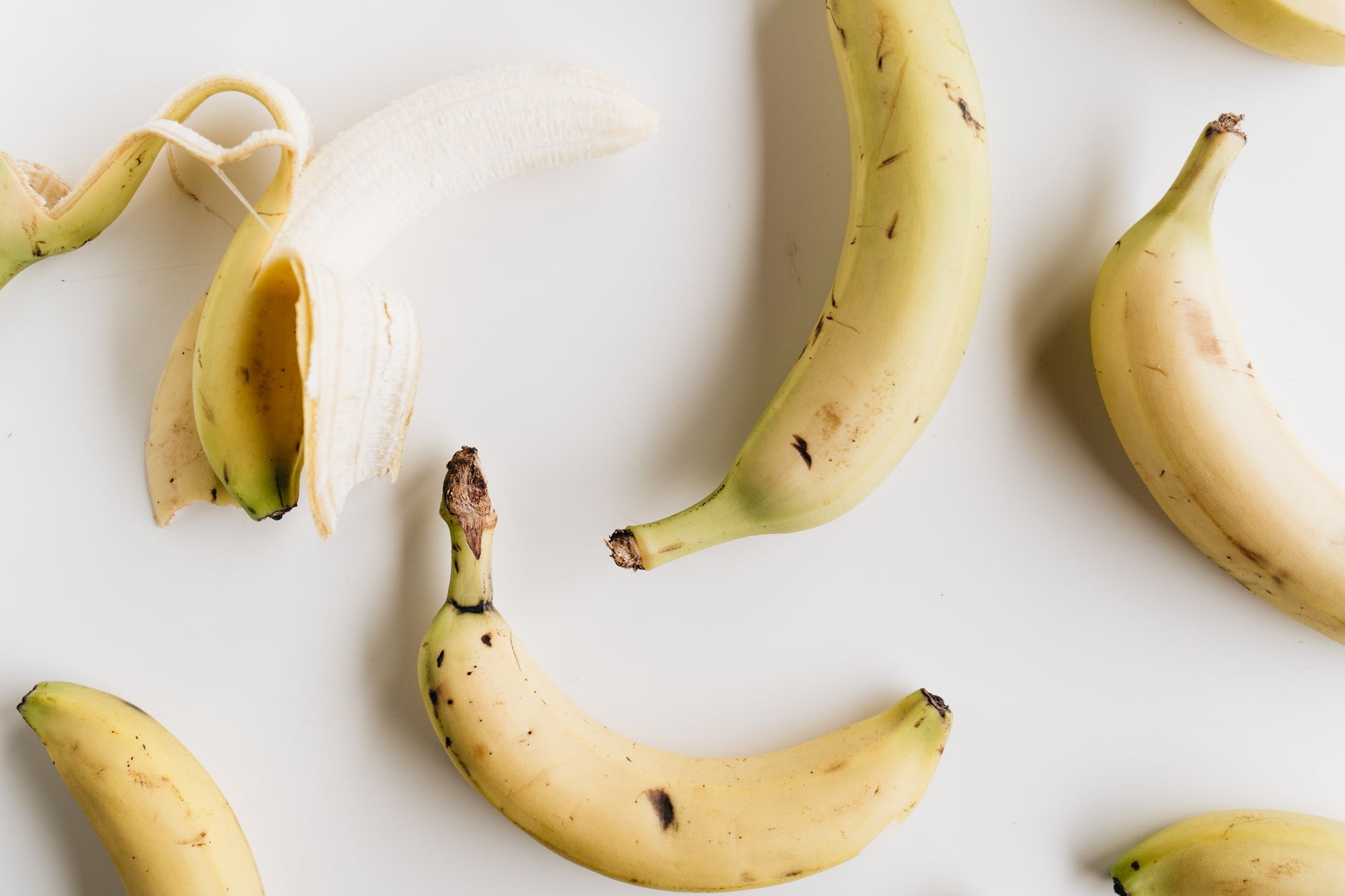
Potassium is an essential mineral that plays a crucial role in our overall health. It’s vital for proper muscle function, nerve signaling, and fluid balance in the body. Knowing where potassium is found can help you incorporate it into your diet effectively.
This article will explore the various food sources of potassium, highlighting nutrition facts and serving sizes, so you can easily boost your potassium intake through your meals.
Where Is Potassium Found?
Potassium is primarily found in fruits, vegetables, dairy products, meats, and fish. Foods rich in potassium help maintain healthy blood pressure levels and contribute to overall body function. The recommended daily intake for potassium is about 2,500-3,000 mg for adults, depending on age and sex. Here are some notable sources of potassium and their benefits.
Top Sources of Potassium
1. Fruits
Fruits are some of the best sources of potassium. Here are some potassium-rich fruits along with their approximate potassium content per 100 grams:
- Bananas: 358 mg
- Avocados: 485 mg
- Oranges: 181 mg
- Kiwi: 312 mg
- Blackberries: 162 mg
- Melons (cantaloupe and honeydew): 267 mg
- Plums: 157 mg
Among these, bananas are the most commonly known potassium source, while avocados provide healthy fats alongside high potassium content. Incorporating a variety of these fruits can enhance both flavor and nutrition in your meals.
2. Vegetables
Vegetables also contribute significantly to potassium intake. Examples of high-potassium vegetables include:
- Sweet potatoes: 337 mg
- Spinach: 558 mg
- Potatoes: 421 mg
- Tomatoes: 237 mg
- Beets: 325 mg
- Carrots: 320 mg
Sweet potatoes and spinach are particularly rich in potassium, making them excellent choices for side dishes or main courses. Adding these vegetables to your meals can greatly enhance their nutritional profile.
3. Dairy Products
Dairy products are another good source of potassium. Here’s how some popular dairy items stack up:
- Yogurt (low-fat): 255 mg
- Milk (whole): 150 mg
- Cheese (cheddar): 180 mg
Incorporating dairy can help improve potassium levels while also providing calcium and protein. Yogurt can be a healthy snack or breakfast base, while cheese can add flavor to various dishes.
4. Meats and Fish
Animal proteins also contain potassium. Here’s a list of high-potassium meats and fish:
- Beef: 315 mg
- Chicken: 256 mg
- Salmon: 490 mg
- Halibut: 490 mg
Including fish like salmon and halibut not only boosts your potassium intake but also provides essential omega-3 fatty acids and other nutrients. These can be grilled, baked, or added to salads for nutritious meals.
5. Legumes and Nuts
Legumes and nuts are excellent sources of potassium and offer added health benefits:
- Lima beans: 508 mg
- Kidney beans: 407 mg
- Black beans: 291 mg
- Almonds: 705 mg
- Peanuts: 286 mg
Legumes can be used in soups, stews, and salads, while almonds make a great snack. Nuts often contain healthy fats and protein, rounding out their nutritional value.
6. Whole Grains
Whole grains are not only good for fiber but also provide potassium:
- Quinoa: 318 mg
- Brown rice: 143 mg
- Oats: 350 mg
Including whole grains like quinoa and brown rice can contribute to your daily potassium needs while offering sustained energy through complex carbohydrates.
Comparison of Potassium Content in Popular Foods
| Food Item | Potassium Content (mg per 100g) |
|---|---|
| Spinach | 558 |
| Banana | 358 |
| Yogurt | 255 |
| Salmon | 490 |
| Lima Beans | 508 |
How to Incorporate More Potassium into Your Diet
Meal Planning Strategies
To ensure you are getting enough potassium in your diet, consider these meal planning strategies:
- Start your day with a potassium-rich breakfast, like oatmeal topped with banana and nuts.
- Include a leafy green salad with beans for lunch, combining different sources of potassium in one meal.
- Plan for a dinner that features fish or chicken, paired with baked sweet potatoes and steamed spinach.
- Snack on yogurt with fruit or a handful of almonds to keep potassium levels up throughout the day.
Easy Recipe Ideas
Here are some simple recipes featuring potassium-rich ingredients:
- Sweet Potato and Black Bean Tacos
- 1 large sweet potato (cubed)
- 1 can black beans (drained)
- 1 avocado (sliced)
- Tortillas of your choice
Roast the sweet potato cubes until tender. Combine the black beans and sweet potatoes in tortillas, top with avocado, and enjoy!
- Spinach and Salmon Salad
- 1 cup spinach leaves
- 1 grilled salmon fillet
- 1/4 cup almonds (sliced)
- Olive oil and lemon juice dressing
Combine spinach, grilled salmon, and almonds in a bowl. Drizzle with olive oil and lemon juice and toss gently.
Common Mistakes to Avoid
- Overcooking vegetables: This can reduce their potassium content significantly, so try to steam or sauté them instead.
- Ignoring other nutrient sources: While focusing on potassium is essential, ensure that you also maintain a balanced diet with vitamins and minerals.
- Relying solely on supplements: It’s best to get potassium through whole foods for better absorption and digestion.
Understanding Potassium Needs
The daily recommended intake of potassium varies based on several factors, including age, gender, and physical activity level. Individuals who exercise a lot may require more potassium to replace what is lost through sweat. In contrast, those with specific health conditions might need to limit their potassium intake.
If you have concerns about your potassium levels, consult with a healthcare provider to determine the best approach based on your dietary needs.
Storage of Potassium-Rich Foods
To make the most of potassium-rich foods:
- Store fresh fruits and vegetables in the refrigerator to prolong their shelf life.
- Keep nuts and seeds in a cool, dry place to maintain their freshness.
- Cooked legumes can be refrigerated for up to 3 days, but they can also be frozen for longer storage.
Conclusion
Incorporating a variety of potassium-rich foods into your diet is essential for maintaining good health. By focusing on fruits, vegetables, dairy, meats, and legumes, you can achieve your dietary potassium goals easily. Plan your meals with these nutrient-dense options to maximize flavor and health benefits.
If you’re looking for more inspiration, consider trying out recipes for purple potatoes or lima beans to enhance your potassium intake while enjoying delicious meals.