
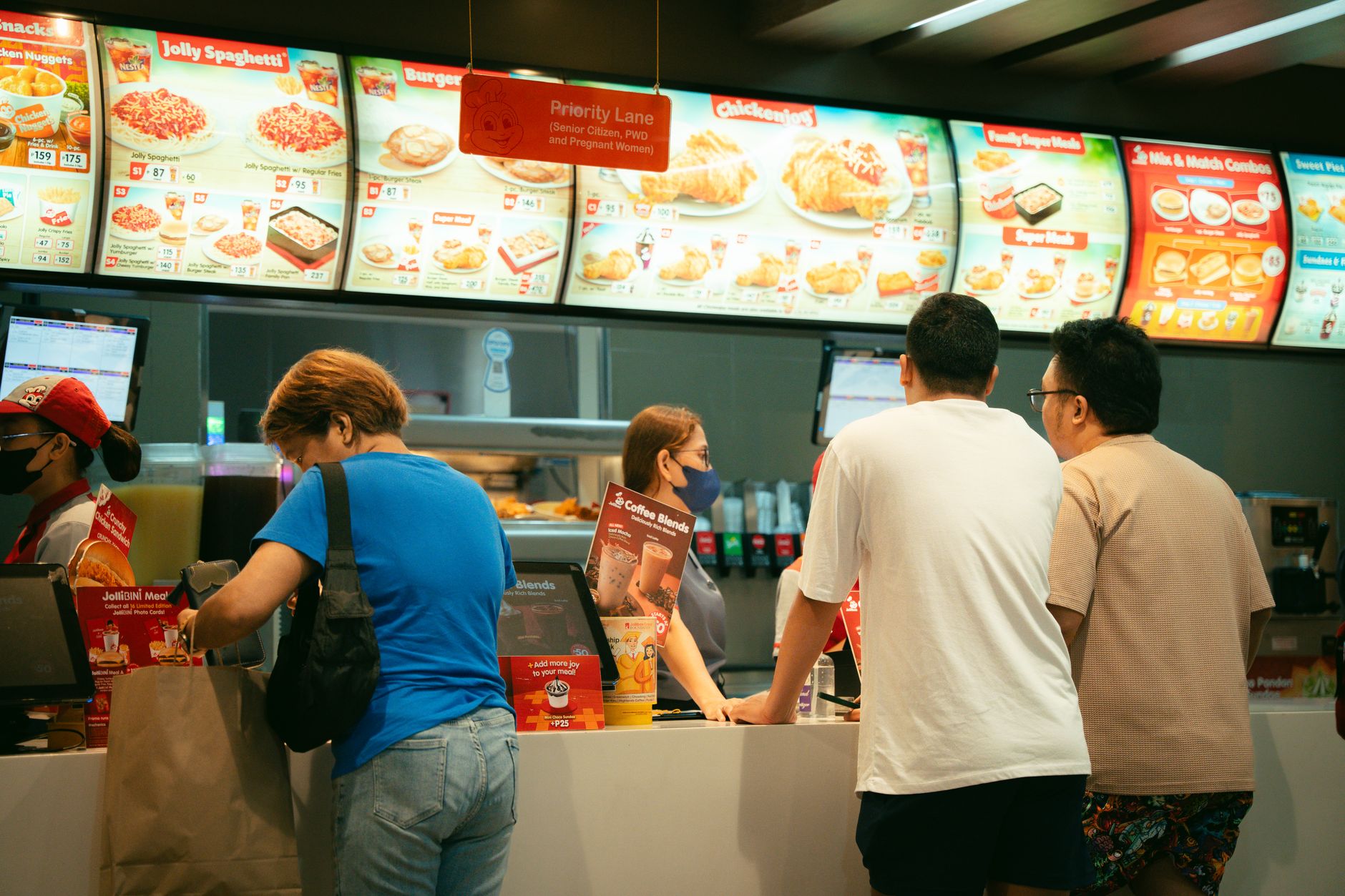
Jollibee is a beloved fast-food chain originating from the Philippines, widely recognized for its unique offerings that blend Filipino flavors with Western fast-food staples. With its signature chicken joy, spaghetti, and burgers, Jollibee has captured the hearts and taste buds of many around the globe.
This article will explore the origins of Jollibee, its enriching food history, and the cultural traditions that have influenced its menu. By understanding where Jollibee comes from, readers can appreciate the gastronomic journey that has made it a global phenomenon.
Where Is Jollibee From?
Jollibee is from the Philippines, where it opened its first store in 1978 in Quezon City. Founded by Tony Tan Caktiong, the chain began as an ice cream parlor before transitioning to serve hot meals, quickly gaining popularity. Today, Jollibee is celebrated not only in the Philippines but also in various countries worldwide.
The Origins of Jollibee
The story of Jollibee began in 1975 when Tony Tan Caktiong, a Chinese-Filipino entrepreneur, started selling ice cream and hot meals like spaghetti and sandwiches at his family’s restaurant. Recognizing the demand for fast food, he decided to expand the menu to include more Filipino dishes.
In 1978, the first official Jollibee store opened, and the brand name was chosen because it evoked a sense of joy and happiness connected to the bee’s role in nature. Jollibee’s mascot, a friendly bee, symbolizes the brand’s commitment to delivering a fun dining experience.
The Early Years
The initial menu featured a blend of Western fast food and traditional Filipino dishes. Recognizing the uniqueness of local tastes, the chain introduced rice meals and unique flavor combinations. It included spaghetti topped with sweet-style sauce and hotdogs, which was a hit with Filipino families.
By the early 1980s, Jollibee started expanding aggressively, and by 1981, it had opened its first franchise store. The brand quickly established itself as a fierce competitor to international fast-food chains in the Philippines, particularly McDonald’s, which was also expanding in the market.
Food History and Evolution
Jollibee’s menu has continuously evolved to cater to Filipino tastes and preferences. The chain’s innovative approach has resulted in a diverse range of offerings, many of which have uniquely Filipino twists.
Signature Dishes
Some of the most notable dishes that have put Jollibee on the map include:
- Chickenjoy: Jollibee’s signature fried chicken is renowned for its crispy exterior and juicy meat. It is often served with a side of gravy, making it a favorite among customers.
- Jolly Spaghetti: A uniquely Filipino take on spaghetti, this dish features a sweet-style sauce loaded with sliced hotdogs and cheese, appealing to the local palate.
- Jolly Hotdog: This dish consists of a grilled hotdog topped with cheese, mayonnaise, and chopped onions, showcasing the local preference for sweet and savory flavors.
- Burger Steak: This dish features seasoned beef patties served with gravy over rice, reflecting the Filipino love for rice-based meals.
Influences and Cultural Fusion
Jollibee’s menu reflects cultural influences from both the Philippines and abroad, showcasing a fusion that resonates with customers. The sweet Filipino spaghetti, for instance, contrasts sharply with the traditionally savory Italian version, illustrating how local flavors shape culinary offerings.
As the brand expanded internationally, Jollibee also began incorporating items catering to local tastes in other countries. For instance, in the United States and Canada, the menu includes variations that appeal to diverse communities while retaining signature Jollibee dishes.
Global Expansion
Jollibee’s success in the Philippines paved the way for significant international expansion. The first international branch opened in 1987 in the United States, targeting the Filipino diaspora longing for a taste of home.
International Locations
Over the years, Jollibee has opened branches in various countries, including:
- United States
- Canada
- Saudi Arabia
- United Arab Emirates
- Vietnam
- Singapore
- Australia
This global expansion has helped Jollibee tap into not just Filipino communities but also diverse groups of customers who appreciate its unique offerings.
Food Traditions and Cultural Significance
Jollibee is more than just a fast-food chain; it has become a symbol of Filipino culture and pride. The restaurant often serves as a gathering place for families and friends, playing a significant role during special occasions such as birthdays, holidays, and family reunions.
Cultural Impact
Jollibee’s impact on Filipino culture reaches beyond the menu. The chain’s marketing campaigns often highlight Filipino values such as family, togetherness, and joy. These themes resonate deeply with audiences, forging emotional connections with customers while reinforcing Jollibee’s identity as a family-friendly brand.
Moreover, Jollibee has successfully integrated pop culture into its marketing strategies, often featuring local Filipino celebrities in advertisements and collaborations that connect with audiences on a personal level.
How to Experience Jollibee at Home
Given Jollibee’s popularity, many fans wish to replicate its signature flavors at home. While making an exact replica of Jollibee’s dishes can be challenging, striving for similar flavors is an exciting culinary adventure.
Homemade Chickenjoy Recipe
To bring a taste of Jollibee into your kitchen, consider trying a homemade version of Chickenjoy. Here’s a basic recipe that allows you to achieve that crispy, juicy experience.
Yield: 4 servings
Preparation Time: 30 minutes
Cooking Time: 15 minutes
Total Time: 45 minutes
Ingredients
- 4 pieces chicken drumsticks or thighs
- 1 cup buttermilk
- 1 cup all-purpose flour
- 1 teaspoon garlic powder
- 1 teaspoon onion powder
- 1 teaspoon paprika
- Salt and pepper to taste
- Vegetable oil for frying
Essential Equipment
- Deep frying pan or skillet
- Cooking thermometer
- Bowl for marinating
- Tongs
Method
- Marinate the chicken: Place chicken pieces in a bowl and pour buttermilk over them. Let them marinate for at least 30 minutes or refrigerate for up to 4 hours for best results.
- Prepare the coating: In another bowl, mix the flour, garlic powder, onion powder, paprika, salt, and pepper.
- Heat oil: In a deep frying pan, heat about 2 inches of vegetable oil over medium heat until it reaches 350°F (175°C).
- Coat the chicken: Remove the chicken from the buttermilk, allowing excess marinade to drip off. Dredge each piece in the flour mixture, ensuring an even coating, and shaking off any excess.
- Fry the chicken: Carefully place the coated chicken pieces in the hot oil, a few at a time, to avoid overcrowding. Fry for about 6-8 minutes until the internal temperature reaches 165°F (74°C) and the chicken is golden brown. Drain on paper towels.
- Serve hot with gravy and enjoy!
Tips for Success
- Ensure the oil is hot enough before frying; this prevents the chicken from becoming greasy.
- Do not overcrowd the pan; this can lower the oil temperature and lead to soggy chicken.
- Experiment with spices to customize flavor according to personal preferences.
Celebrating Jollibee’s Success
The success of Jollibee can also be attributed to its resilience and innovation. The brand continuously adapts to changing consumer preferences and market trends, ensuring its relevance in the fast-food industry.
Community Engagement
Jollibee actively participates in community engagement initiatives, contributing to local charities and organizations that promote education, childhood health, and disaster relief. Its commitment to giving back enhances its reputation and solidifies its position as a beloved brand.
Future of Jollibee
As Jollibee moves forward, further international expansion is on the horizon, with plans to introduce more menu items while staying true to its Filipino roots. Jollibee’s growth story serves as an inspiring testament to the power of culinary creativity intertwined with cultural heritage.
Summary
Jollibee originates from the Philippines and has evolved into a globally loved fast-food chain known for its unique offerings. From its humble beginnings to its status as a symbol of Filipino culture, Jollibee has successfully adapted to local tastes while maintaining its distinctive identity.
For fans and food enthusiasts alike, experiencing Jollibee’s flavors at home can be a fun culinary project. Whether replicating Chickenjoy or discovering new recipes influenced by Jollibee’s creativity, the joy of homemade food can bring a taste of the Philippines right into your kitchen.
Explore related recipes, cooking tips, or food guides to continue your culinary journey!