
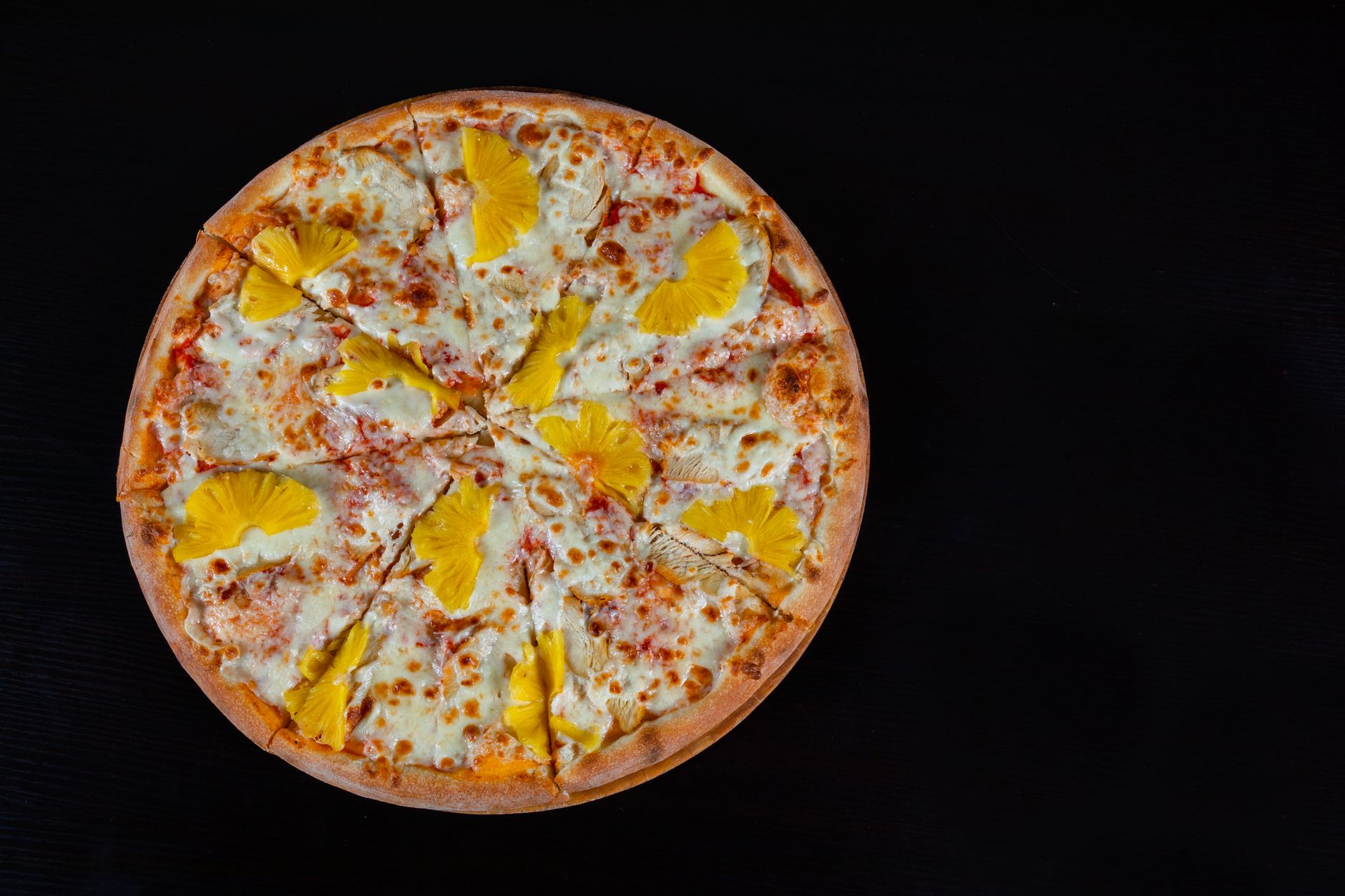
Hawaiian pizza, a polarizing yet beloved dish, combines the sweetness of pineapple with the savory taste of ham atop a cheesy crust. While many enjoy its unique flavor profile, its origins spark debate among food enthusiasts. This article delves deep into the history and origins of Hawaiian pizza, uncovering where this contentious creation truly comes from.
The journey begins in the mid-20th century, tracing its roots to the Canadian city of Chatham, Ontario. Here, the origins of the term “Hawaiian” in relation to pizza emerge, leading to fascinating insights into its development, cultural implications, and consequent widespread popularity.
Where Is Hawaiian Pizza From?
Hawaiian pizza originated in Chatham, Ontario, Canada. It was created in 1962 by Sam Panopoulos, a Greek immigrant restaurant owner who experimented by adding canned pineapple to pizza, a novel concept at the time.
The Origin Story of Hawaiian Pizza
The creation of Hawaiian pizza can be attributed to the vision of Sam Panopoulos. In 1962, he and his brothers opened the Satellite Restaurant in Chatham, Ontario, where their menu primarily featured traditional diner fare. However, with a growing interest in innovative cuisine, they aimed to diversify their offerings. Inspired by their Greek heritage and the evolving tastes of customers, they decided to experiment with toppings.
Initially, pineapple was not a typical pizza topping, but after opening a can of pineapple slices for use in a different dish, Panopoulos and his team decided to give it a try. They paired the pineapple with ham, effectively blending contrasting flavors. The result was unexpectedly delightful, leading to the official introduction of Hawaiian pizza to the menu. The name itself was inspired by the brand of canned pineapple they used — “Hawaiian.”
The Evolution and Popularity of Hawaiian Pizza
After its inception, Hawaiian pizza quickly gained popularity, initially across Canada, and then expanded into the United States and beyond. The concept of mixing sweet and savory flavors resonated with many, leading to its recognition as a novel pizza option. By the late 1970s and early 1980s, Hawaiian pizza had firmly established itself in pizzerias across North America.
In the years that followed, Hawaiian pizza spread to other parts of the globe. Its popularity soared in countries such as Australia and New Zealand, where pizzerias often feature it on their menus. Notably, it holds a prominent place in the international pizza scene, with variations emerging that include alternative toppings such as jalapeños or bacon.
The Debate Around Hawaiian Pizza
Despite its popularity, Hawaiian pizza has been a subject of controversy among pizza lovers worldwide. The combination of pineapple and ham often draws mixed reactions, with some exclaiming their love for the unique flavor while others decry it as an affront to traditional Italian cuisine. This dispute often leads to amusing debates, with fans and critics alike passionately defending their stance.
The question of whether pineapple belongs on pizza has become a pop culture phenomenon, exemplified in various media, including social media polls and humorous memes. Some pizzerias even go so far as to prove the playful divide with ‘Hawaiian pizza’ versus ‘traditional pizza nights,’ highlighting the vibrant culture surrounding this dish.
Hawaiian Pizza: A Modern Classic
Despite the ongoing debate regarding Hawaiian pizza, one cannot overlook its significance in contemporary casual dining. It embodies culinary creativity, revealing the willingness to push gastronomic boundaries. As an innovative spirit, Hawaiian pizza reflects how food evolves, influenced by various cultures and tastes.
In the modern culinary landscape, the explosion of non-traditional pizza toppings has paved the way for a range of creations. From barbecue chicken to spicy buffalo options, these pizzas challenge the notion of what pizza can be. Hawaiian pizza serves as a reminder of experimentation in cooking and the dialogue it fosters between chefs and diners.
How to Make Your Own Hawaiian Pizza
For those inspired by the story of Hawaiian pizza, making it at home can be a fulfilling culinary experience. Here is a comprehensive guide to crafting your very own Hawaiian pizza, allowing you to indulge in the flavors that sparked such global interest.
Yield
This Hawaiian pizza recipe yields one 12-inch pizza, perfect for sharing.
Preparation and Cooking Times
- Preparation Time: 20 minutes
- Cooking Time: 15 minutes
- Total Time: 35 minutes
Ingredients
- 1 pound pizza dough (store-bought or homemade)
- 1 cup pizza sauce
- 2 cups shredded mozzarella cheese
- 1 cup sliced ham (preferably Canadian bacon)
- 1 cup canned pineapple chunks (drained)
- 1 tablespoon olive oil
- 1 teaspoon dried oregano (optional)
- 1 teaspoon black pepper (to taste)
Essential Equipment
- Pizza stone or baking sheet
- Rolling pin
- Oven
- Pizza cutter or sharp knife
- Large mixing bowl (if making dough from scratch)
Step-By-Step Method
- Preheat your oven to 475°F (245°C) and place your pizza stone in the oven to heat.
- If using store-bought dough, let it sit at room temperature for about 15 minutes. For homemade dough, prepare as per your recipe instructions.
- On a lightly floured surface, roll out the pizza dough into a 12-inch circle, about 1/4 inch thick.
- Transfer the rolled-out dough onto a piece of parchment paper or a floured baking sheet.
- Brush the dough lightly with olive oil to enhance flavor and prevent it from getting soggy.
- Spread the pizza sauce evenly over the base. Leave a small border around the edge for the crust.
- Sprinkle shredded mozzarella cheese over the sauce, ensuring even coverage.
- Add the sliced ham evenly across the cheese layer.
- Distribute the pineapple chunks over the ham.
- Optional: Sprinkle dried oregano and black pepper for added flavor.
- Carefully transfer the pizza (with parchment paper if using) onto the preheated pizza stone or baking sheet in the oven.
- Bake for about 12-15 minutes, or until the crust is golden brown and the cheese is bubbling and lightly browned.
- Once cooked, remove the pizza from the oven and let it cool for a minute before slicing.
- Cut into slices and serve hot.
Common Mistakes and Troubleshooting
To enhance your Hawaiian pizza-making journey, here are some common mistakes to avoid:
- Soggy pizza: If your pizza is soggy, consider using less sauce or ensuring your toppings are drained well, particularly the pineapple.
- Chewy crust: If the crust doesn’t have the desired crispiness, check your oven temperature and ensure it is preheated adequately.
- Uneven toppings: Distributing toppings evenly is essential for balanced flavor. Apply toppings sparingly at first, then adjust based on preference.
Storing and Reheating Hawaiian Pizza
Should you have leftover pizza, you’ll want to store it properly to maintain its quality. Here are tips for storage and reheating:
- Allow the pizza to cool completely before wrapping it in plastic wrap or aluminum foil.
- Store in an airtight container in the refrigerator for up to 3-4 days.
- To reheat, preheat the oven to 350°F (175°C) and bake the pizza for 10-15 minutes until heated through. Alternatively, you can reheat individual slices in a skillet over medium heat for about 5-7 minutes.
Variations on Hawaiian Pizza
Although traditional Hawaiian pizza consists primarily of ham and pineapple, various adaptations allow for greater creativity. Here are some popular variations:
- Spicy Hawaiian: Add jalapeños or red chili flakes for a bit of heat.
- BBQ Hawaiian: Substitute barbecue sauce for pizza sauce and include grilled chicken for a smoky flavor.
- Veggie Hawaiian: Incorporate bell peppers, onions, or mushrooms for a refreshing take.
- Double Meat Hawaiian: Include both ham and crispy bacon for a meaty twist.
Conclusion
The journey of Hawaiian pizza from a small diner in Canada to a worldwide phenomenon illustrates the innovative nature of food as an ever-evolving canvas. While discussions about its appropriateness will likely continue, its blend of contrasting flavors remains not only an enjoyable meal choice but also a testament to culinary experimentation.
For those who want to explore more culinary creations, consider trying a homemade pizza dough with the guide at King Arthur Pizza Dough Recipe or indulging in a classic Pizza Rustica by following the recipe at Pizza Rustica Recipe. Happy cooking!