
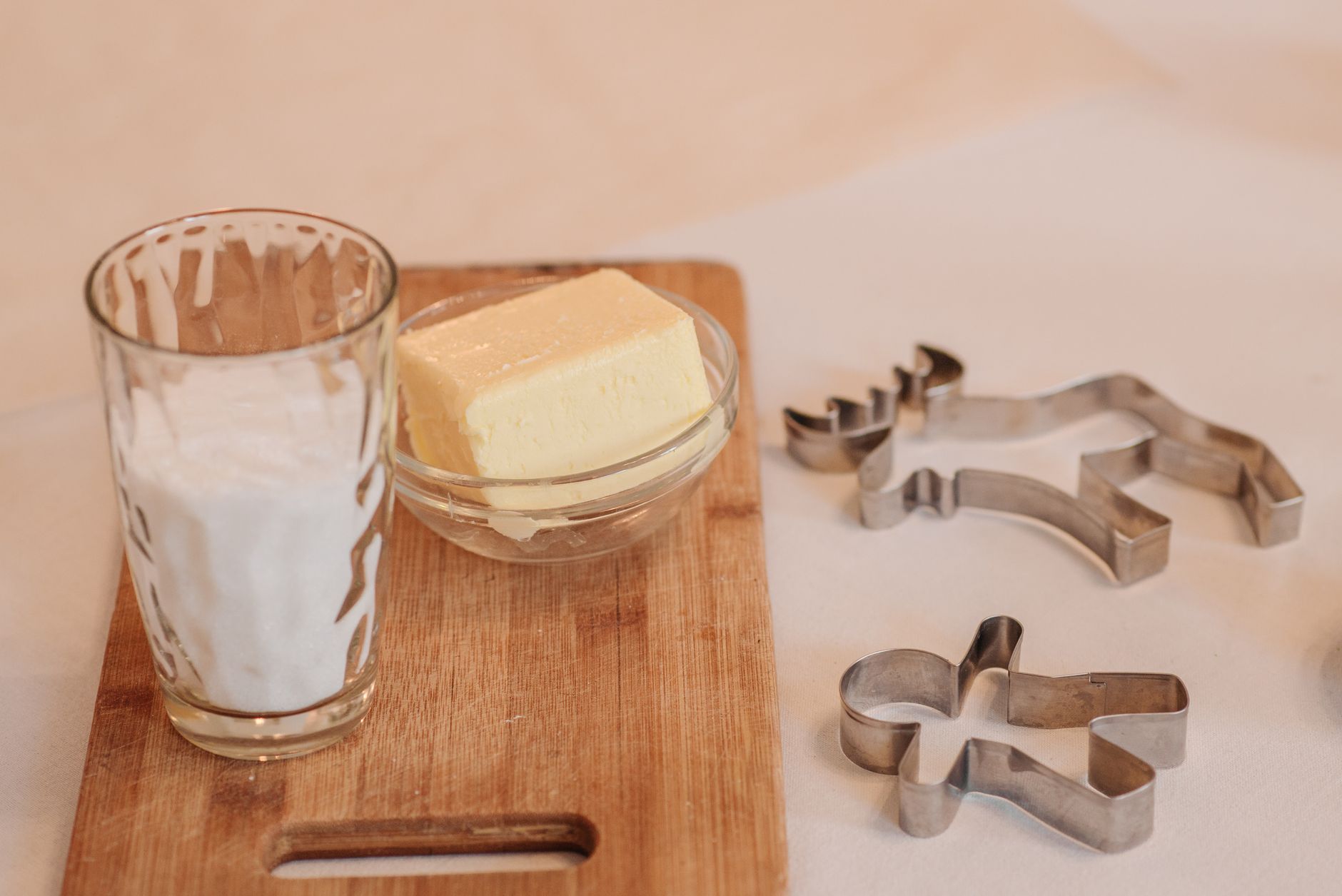
Butter is a staple in kitchens around the world, with a rich history that connects different cultures and culinary traditions. Known for its creamy texture and rich flavor, butter enhances recipes, from baking pastries to cooking savory dishes. Understanding where butter originates can deepen your appreciation for this versatile ingredient.
This article explores the history of butter, where it is native to, its culinary uses, and practical tips for incorporating it into your cooking. Whether you’re an experienced chef or a home cook, knowing more about butter will elevate your culinary creations.
Where Is Butter Native To?
Butter is believed to have originated in the region that is now Iran, around 2000 B.C. From there, it spread throughout the Middle East and into Europe. Ancient civilizations, including the Greeks, Romans, and Celts, utilized butter both as a food source and for various cultural rituals. Today, butter is produced globally, but its roots can be traced back to the early dairy farming practices in these ancient societies.
A Brief History of Butter
The process of making butter involves churning cream to separate the butterfat from the buttermilk. This practice may have started with nomadic tribes who would transport milk in animal skins, resulting in butter forming due to natural churning during travel. Traditional butter-making methods continue in regions such as France, where artisanal techniques remain celebrated.
In the Middle Ages, butter became an important food item in Europe, notably in France, where the culture of dairy farming blossomed. The rise of different butter styles—such as cultured butter and sweet cream butter—allowed for a wide variety of flavors and uses. Today, butter remains an essential component in multiple cuisines worldwide, including French, Italian, and American cooking.
Culinary Uses of Butter
Butter’s unique flavor and texture enhance many dishes, making it a favorite ingredient across various cooking styles. Here are some primary culinary uses for butter:
- Baking: Butter is a crucial ingredient in baked goods like cookies, cakes, and pastries. Its fat content helps achieve a tender texture while adding richness to flavors.
- Sautéing and Pan-Frying: Using butter for sautéing vegetables or meats provides not only moisture but enhances the flavors, making dishes more aromatic and delectable.
- Cooking Sauces: Butter can be emulsified into sauces, such as hollandaise or beurre blanc, to create silky textures and depth of flavor.
- Finishing Touch: A pat of butter stirred into hot pasta or added on top of steak just before serving can elevate a dish, providing an extra layer of richness.
Choosing the Right Butter
When selecting butter, consider the type you need for your culinary applications. Here’s a breakdown of common varieties:
- Salted Butter: This is regular butter with added salt. It’s great for spreading on bread or adding to cooking where additional salt is desired.
- Unsalted Butter: A favorite among bakers, unsalted butter allows for precise control over salt levels in recipes.
- Cultured Butter: This type undergoes fermentation, giving it a tangy flavor. It works excellently in baked goods and sauces.
- Clarified Butter: Produced by melting butter to separate the milk solids and water, clarified butter has a higher smoke point and is ideal for frying and sautéing.
Practical Tips for Cooking with Butter
To make the most of butter in your kitchen, consider these practical tips:
1. Storage
Store butter in the refrigerator to keep it fresh. It can also be frozen for long-term storage. If freezing, wrap it tightly in plastic wrap or foil, and place it in an airtight container.
2. Room Temperature
When baking, use butter at room temperature unless the recipe specifies otherwise. Room-temperature butter can easily cream with sugars, creating a stable structure in cookies and cakes.
3. Measuring Butter
When measuring butter, especially for baking, it’s best to use a kitchen scale for accuracy. If using sticks, each stick typically equals 1/2 cup, making it easy to portion.
4. Emulsifying
To emulsify butter into sauces, try using a whisk or blender after the initial butter is melted. This method ensures a smooth consistency and prevents separation.
Butter Substitutions
If you find yourself without butter or are looking for alternatives, there are several options available. Each may have its unique effects on flavor and texture:
- Margarine: A common substitute, margarines can replace butter on a 1:1 ratio. However, they may have a slightly different flavor.
- Coconut Oil: Perfect for dairy-free recipes, coconut oil provides a unique flavor and can also be measured in a 1:1 ratio.
- Applesauce: In baking, unsweetened applesauce can replace butter at a ratio of about 1:1. This substitution will create a denser texture.
- Avocado: Mashed avocado can serve as a butter substitute, especially in baked goods. Use it in a 1:1 ratio, noting it may impart a slight green color.
Common Mistakes When Using Butter
There are a few common pitfalls to avoid when working with butter:
- Not letting butter reach room temperature if the recipe calls for it can lead to incorrect mixing and a dense final product.
- Overheating butter can lead to burnt flavors, especially in cooking oils; maintain moderate heat.
- Using cold butter in a cream-based mixture can cause clumping instead of achieving the desired emulsification.
International Butter Varieties
Butter has so many regional varieties, each bringing distinctive flavors to its culinary traditions. Here’s how some cultures use butter:
1. French Butter
In France, butter is more than just a cooking ingredient; it’s a cultural element. French butter often has a higher fat content, producing a richer flavor. It’s commonly used in sauces and pastry making.
2. Indian Ghee
In Indian cuisine, ghee is clarified butter that has been cooked longer to develop a nutty flavor. Ghee is revered due to its high smoke point and various health benefits in traditional practices.
3. Danish Butter
Danish butter is known for its creaminess and slightly tangy flavor, often used in their famous pastries. It is appreciated for its quality and is made from the cream of grass-fed cows.
Marking Butter’s Cultural Significance
Butter is more than just a cooking ingredient; its cultural significance spans many traditions and rituals. In some cultures, butter, particularly ghee, plays a role in religious ceremonies and offerings. In European traditions, butter is often tied to harvest festivals and communal cooking experiences. Understanding these cultural aspects can enhance your appreciation and connection to culinary practices.
Building a Butter-Centric Recipe
Now that you have a grasp of butter’s history, uses, and variations, why not try making something that puts butter front and center? Here’s a basic recipe to demonstrate some butter’s culinary magic.
Butter Swim Biscuits
This recipe combines butter’s richness with a straightforward method, resulting in flaky and buttery biscuits perfect for breakfast or as a side dish.
Yield:
12 biscuits
Preparation Time:
10 minutes
Cooking Time:
20 minutes
Total Time:
30 minutes
Ingredients:
- 2 cups all-purpose flour
- 1 tablespoon baking powder
- 1 teaspoon salt
- 1 cup buttermilk
- 1/2 cup unsalted butter, melted (plus more for serving)
Essential Equipment:
- Baking sheet
- Mixing bowls
- Whisk
- Measuring cups
Method:
- Preheat the oven to 450°F (232°C).
- In a mixing bowl, whisk together flour, baking powder, and salt.
- Add the buttermilk and melted butter to the dry ingredients. Mix until just combined. Do not overmix!
- Pour the batter onto a lightly floured surface and gently shape it into a rectangle, about 1 inch thick.
- Using a biscuit cutter or knife, cut into desired shapes and place on a baking sheet.
- Brush the tops with additional melted butter for enhanced flavor.
- Bake for 12-15 minutes until biscuits are golden brown on top.
- Serve warm, with extra butter if desired.
Making Butter at Home
If you’re feeling adventurous, you can even try making your butter at home! Here’s how:
Homemade Butter Recipe
Making butter at home is simple and requires minimal ingredients and equipment.
Ingredients:
- 2 cups heavy cream (can be pasteurized but not ultra-pasteurized)
Equipment:
- A stand mixer or hand mixer
- A fine mesh strainer or cheesecloth
- A bowl for buttermilk
Method:
- Pour heavy cream into a mixing bowl.
- Beat the cream on medium-high speed until it turns into whipped cream, then continue beating until the cream starts to separate.
- Once the butter forms and buttermilk starts separating, pour the mixture through a fine mesh strainer or cheesecloth into a bowl.
- Rinse the butter with cool water to remove excess buttermilk, kneading gently to form a solid mass.
- Transfer to a container and refrigerate. Enjoy fresh homemade butter!
Conclusion
Butter is far more than just an ingredient; its storied past and culinary significance make it integral to various dishes worldwide. From understanding its origins to experimenting in the kitchen, butter can enhance flavors and textures like no other ingredient. With tips on making butter at home, choosing the right type, and exploring international variations, you’re now well-equipped to make butter a delightful part of your culinary adventures.
Explore more culinary delights with our clarified butter recipe and learn how to whip up delicious butter swim biscuits for your next meal!