
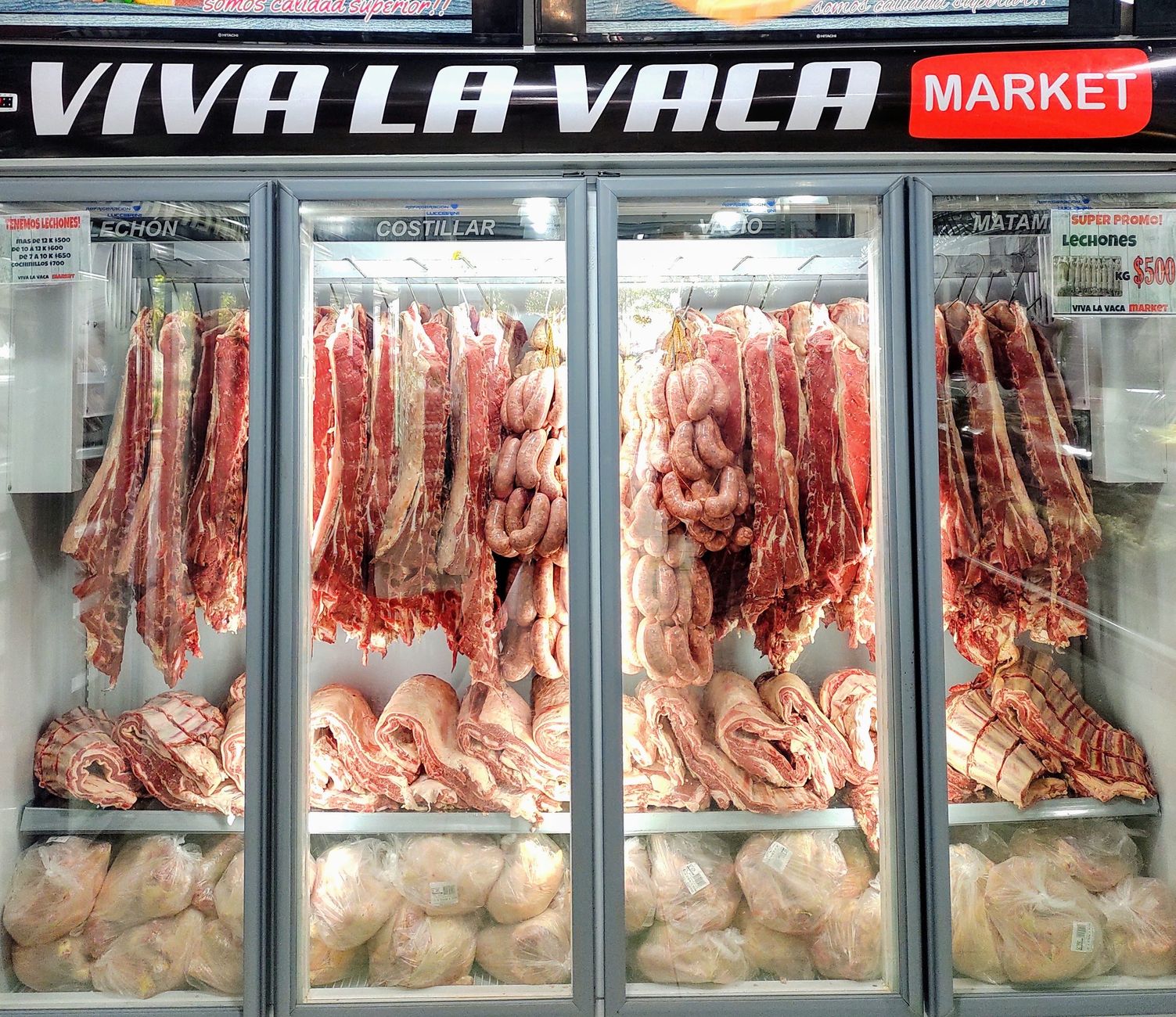
Brisket is a popular cut of beef, known for its rich flavor and tender texture when cooked properly. Many home cooks and barbecue enthusiasts appreciate its versatility, whether it’s smoked, braised, or grilled. Understanding where brisket comes from on a cow is essential for selecting the best piece and preparing it with confidence.
This article will explore the specifics of brisket, including which part of the cow it comes from, its culinary uses, cooking methods, and serving suggestions. You’ll also find helpful tips to ensure your brisket turns out delicious every time.
Where Is Brisket on Cow?
Brisket is found in the lower chest of the cow, specifically from the breast area beneath the shoulder blades. It comprises two muscles: the pectoralis major and the pectoralis minor. This area is well-used, making brisket a tough cut of meat that requires low and slow cooking for optimal tenderness.
Brisket is typically divided into two main portions: the flat and the point. The flat is leaner and more uniform, while the point has more marbling and fat, contributing to a richer flavor.
Understanding the Brisket Cut
To appreciate brisket fully, it’s important to understand its anatomy and characteristics. Brisket is primarily identified by its unique flavor and texture. Here are some details about its components:
- The Flat: Also known as the “first cut,” this part is wider and flatter. It has less fat but is excellent for slicing and is commonly used for brisket sandwiches.
- The Point: Referred to as the “second cut,” this section is thicker and fattier. It’s ideal for shredding and provides a more robust flavor, making it great for barbecue and chili.
Culinary Uses of Brisket
Brisket is a versatile cut of meat that can be prepared through various cooking methods, which enhance its rich flavor. Here are the most popular culinary uses:
1. Smoked Brisket
Smoking brisket is perhaps the most famous preparation method. Pitmasters often use a combination of wood chips (such as hickory, mesquite, or oak) to infuse the meat with deep, smoky flavors. Brisket typically requires long cooking times—often up to 14 hours at low temperatures—to achieve tenderness and a caramelized exterior.
2. Braised Brisket
Braising involves cooking brisket slowly in a flavorful liquid, usually stock or wine, in a covered pot. This method breaks down the tough connective tissue, resulting in a tender dish. Braised brisket is often seasoned with herbs and spices and can serve as a hearty family meal.
3. Oven Roasted Brisket
Oven roasting is a convenient way to prepare brisket when a smoker isn’t available. The brisket can be seasoned with various rubs or marinades and then slow-roasted in the oven. Covering it with foil for part of the cooking process helps retain moisture.
4. Pressure Cooking
For a quicker option, especially for busy weeknights, brisket can be cooked in a pressure cooker. This method imparts a high level of flavor in a fraction of the time compared to traditional smoking or braising. It still requires careful attention to seasoning to ensure a tasty result.
Preparing Brisket
Here’s a closer look at the steps to prepare brisket regardless of your cooking method:
1. Selecting the Right Cut
When purchasing brisket, look for a well-marbled piece of meat with a good amount of fat on top. The fat helps keep the meat moist during cooking. If you’re cooking for a larger gathering, consider a whole packer brisket, which includes both the flat and point cuts.
2. Marinade and Seasoning
Marinating brisket enhances its flavor and tenderness. Whether using a dry rub or a wet marinade, ensure the seasoning penetrates the meat well. Common ingredients include:
- Salt and black pepper
- Paprika
- Garlic powder
- Onion powder
- Cumin
- Brown sugar
3. Cooking Method
As mentioned, brisket is best suited for slow cooking. Here’s a quick overview of each method:
- Smoking: Maintain a temperature between 225°F to 250°F (107°C to 121°C) and cook the brisket until it reaches an internal temperature of at least 195°F (90°C) for tender results.
- Braising: After searing the brisket, braise it in liquid for about 3 to 4 hours at a low temperature (around 325°F or 163°C), checking for tenderness periodically.
- Roasting: Roast the brisket at a low oven temperature of around 275°F (135°C) for several hours until fork-tender.
- Pressure Cooking: Cook brisket on high pressure for approximately 60 to 90 minutes, depending on the size of the cut.
4. Resting the Meat
Resting cooked brisket is crucial to allow juices to redistribute throughout the meat. Cover the brisket loosely with foil and let it rest for at least 30 minutes before slicing.
Serving Suggestions
Once your brisket is cooked and rested, it’s time to serve! Here are some popular serving ideas:
1. Sliced Brisket Sandwiches
Thinly slice smoked brisket and serve it on a soft bun with your favorite barbecue sauce, pickles, and slaw. This classic dish is perfect for gatherings and picnics.
2. Braised Brisket Platter
Serve braised brisket as a main dish alongside mashed potatoes, roasted vegetables, or a fresh salad for a hearty meal.
3. Tacos or Burritos
Shred leftover brisket and fill tacos or burritos with the meat, topped with onions, cilantro, avocado, and salsa for Mexican-inspired meals.
4. Brisket Chili
Utilize leftover brisket to create a rich and flavorful chili. Add beans, tomatoes, and spices for a satisfying comfort food dish.
Common Mistakes and Troubleshooting
Cooking brisket can be tricky, but avoiding common mistakes can ensure a delicious outcome:
- Not Allowing for Adequate Cooking Time: Brisket requires slow cooking; rushing can result in tough meat.
- Skipping the Resting Period: Slicing too soon will cause juices to run out, leading to dry meat.
- Over-seasoning or Under-seasoning: Balance is key; taste your marinade or rub before applying to avoid overpowering the natural flavor of the meat.
Ideal Cooking Equipment for Brisket
Having the right equipment can make a significant difference in cooking brisket. Here are some essential tools to consider:
- Smoker: For the best flavor, invest in a quality smoker. This can include offset smokers, vertical smokers, or even electric smokers.
- Slow Cooker: A versatile option for braising or cooking brisket without needing constant attention.
- Instant Pot or Pressure Cooker: Excellent for quick cooking while retaining moisture and flavor.
- Meat Thermometer: A reliable tool for checking doneness without guessing. Aim for an internal temperature of 195°F to 205°F (90°C to 96°C) for tenderness.
Storage and Reheating
Proper storage is crucial for maintaining the quality of your brisket:
- Refrigeration: Leftover brisket can be stored in an airtight container in the refrigerator for up to 4 days.
- Freezing: For longer storage, brisket can be frozen for up to 3 months. Wrap it tightly in plastic wrap and aluminum foil before placing it in a freezer-safe bag.
- Reheating: To avoid drying out the meat, reheat brisket gently. Use a low oven temperature (250°F or 121°C) or steam it until warmed through.
Final Thoughts
Brisket is a crowd-pleaser that brings a special touch to gatherings and family meals. Understanding where brisket is located on the cow and how to prepare it properly can enhance your cooking experience. With the right techniques and equipment, you can create flavorful, tender brisket that will impress your guests.
For anyone looking to explore more about beef cuts, you may want to look at recipes for chuck eye steak or slow-cooked short ribs. Each offers its own unique flavor profile and cooking techniques that can further your culinary skills.
Consider checking out the chuck eye steak recipe and the slow cooker short rib recipe for more beef preparation ideas.