
Costco is well-known for its bulk buying options and competitive pricing, but many shoppers often wonder about the quality and source of its beef products. Understanding where Costco gets its beef can help consumers make informed decisions about their purchases. This article will explore the sourcing process of Costco’s beef, including the standards they adhere to, the types of beef available, and how to make the most out of these products.
Furthermore, we will touch on types of beef cuts, preparation methods, and cooking techniques to ensure you can enjoy the highest quality at home. Whether you’re planning a weekend barbecue or a simple weeknight dinner, knowing about Costco’s beef sourcing will enhance your culinary experience.
Where Does Costco Get Their Beef?
Costco sources its beef primarily from a mix of regional suppliers and large-scale beef producers to ensure quality and consistency. The company works closely with ranchers across North America, ensuring that the beef is raised under specific standards that prioritize food safety and animal welfare.
The beef sold at Costco often comes from grain-fed cattle, which are typically raised in the United States and Canada. Costco prioritizes purchasing beef from suppliers that adhere to strict safety and quality standards, allowing customers to trust that they are buying high-quality meat.
Understanding Costco’s Beef Sourcing Standards
Costco’s commitment to sourcing quality beef involves several layers of oversight and quality assurance:
- Animal Welfare: Costco is dedicated to sourcing beef from suppliers that follow humane animal farming practices. This emphasizes providing adequate living conditions, proper nutrition, and health care for livestock.
- Food Safety: The suppliers must adhere to strict USDA regulations, ensuring that all beef undergoes rigorous safety inspections before it reaches the consumer.
- Traceability: Costco emphasizes traceability in its supply chain, allowing the company to track the beef from the rancher all the way to the store.
- Sustainability: Costco works with suppliers who implement sustainable farming practices, focusing on minimizing environmental impact.
Types of Beef Cuts Available at Costco
Costco’s beef selection is extensive, catering to various culinary needs. Here is an overview of some popular beef cuts available in-store:
1. Ground Beef
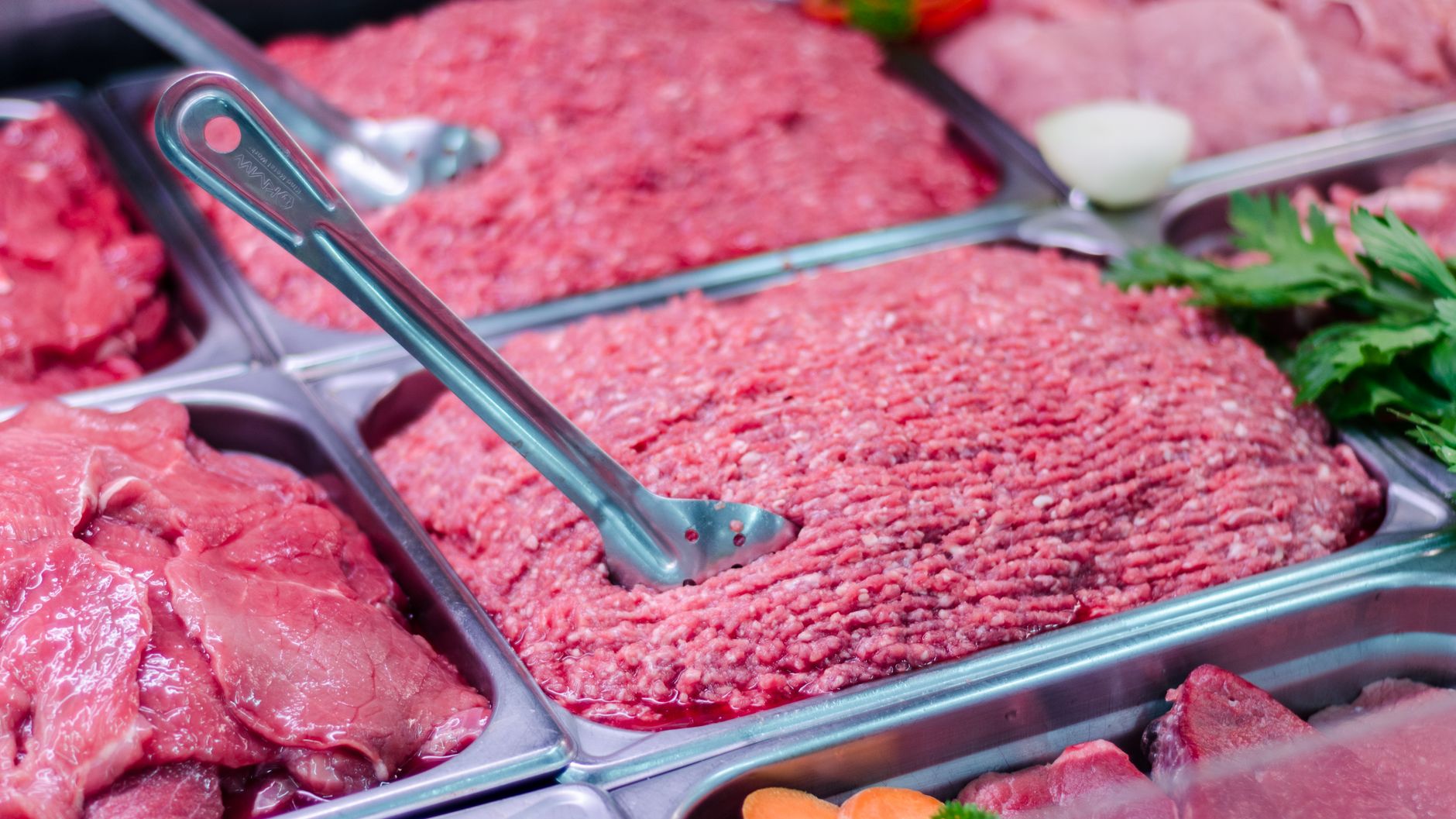
Ground beef, a staple in many households, is available in different fat ratios, commonly 80/20 and 90/10. The higher fat content in 80/20 ground beef makes it ideal for burgers, while the leaner 90/10 version is suitable for healthier meals.
2. Ribeye
This cut is known for its rich marbling and tenderness. Ribeye is perfect for grilling or pan-searing, offering a flavorful and juicy experience for steak lovers.
3. Chuck Roast
Ideal for pot roasts and slow-cooked meals, the chuck roast is a tougher cut that requires longer cooking times to become tender. It is best when braised or cooked in a slow cooker.
4. Flank Steak
Flank steak is a lean cut, perfect for marinating and grilling. It’s commonly used in dishes like fajitas and stir-fries.
5. Sirloin
This cut offers a great balance of flavor and tenderness. Sirloin steaks are versatile and can be enjoyed grilled, broiled, or pan-seared.
6. Filet Mignon
Filet mignon is one of the most tender cuts of beef. Its mild flavor makes it a popular choice for special occasions and fine dining.
Cooking Techniques for Costco Beef
Once you’ve sourced your beef from Costco, the next step is cooking it to perfection. Different cuts require various cooking methods to achieve the best flavor and tenderness:
Grilling
Grilling is a popular method for cooking steak cuts like ribeye and flank steak. Here are some tips:
- Preheat the grill to high heat to achieve a good sear on the steak.
- Season the meat with salt and pepper, and consider marinating it a few hours prior for added flavor.
- Cook to desired doneness, generally about 4-6 minutes per side for medium rare, depending on thickness.
Pan-Searing
Pan-searing is an excellent option for cuts like filet mignon and sirloin. The steps include:
- Heat a cast-iron skillet over high heat until very hot.
- Add a small amount of oil with a high smoke point, such as avocado oil.
- Place the steak in the skillet and cook for 3-5 minutes on each side until a crust forms and it reaches your desired doneness.
Slow Cooking
For tougher cuts like chuck roast, slow cooking yields the best results. Follow these guidelines:
- Season and sear the meat in a hot pan for better flavor.
- Place it in a slow cooker with vegetables, broth, and seasoning.
- Cook on low for 8-10 hours for tender results.
Practical Tips for Shopping at Costco
When choosing beef at Costco, keep the following tips in mind to enhance your shopping experience:
- Check the Product Labels: Look for labels that specify the grade of beef. USDA Choice and Prime are higher quality grades compared to Select.
- Buy in Bulk: If you’re planning to cook regularly, consider purchasing larger quantities and dividing them into meal sizes for future use.
- Be Mindful of Expiration Dates: Always check packaging dates. While Costco has a good turnaround time, ensuring freshness is key.
- Explore Different Types: Don’t hesitate to try different cuts of beef. You might discover new favorites that offer different textures and flavors.
How to Store Costco Beef
Correctly storing beef ensures it stays fresh and safe to consume. Here are some storage guidelines:
- Refrigeration: Store fresh beef in the refrigerator at 40°F (4°C) or below. Use it within 3-5 days of purchase for optimal freshness.
- Freezing: If you are not using beef within a few days, consider freezing it. Wrap it securely in freezer paper or vacuum seal to prevent freezer burn. Most beef can be frozen for up to 4-6 months.
- Thawing: Always thaw beef in the refrigerator, not at room temperature, to prevent bacterial growth. For quick thawing, you may use the microwave, but cook immediately if you do.
Common Mistakes and Troubleshooting
While cooking beef can be straightforward, there are common pitfalls. Here are some tips to avoid them:
- Overcooking: Beef can become tough and dry if overcooked, especially lean cuts. Use a meat thermometer to check doneness.
- Not Allowing to Rest: Always let cooked beef rest for at least 5-10 minutes before cutting. This allows juices to redistribute for a juicier bite.
- Underseasoning: Don’t shy away from seasoning your beef before cooking. A simple combination of salt, pepper, and spices can elevate the flavor significantly.
Recipes to Try with Costco Beef
With high-quality beef cuts from Costco, you can explore numerous delectable recipes. Here are a few ideas to consider:
1. Classic Beef Tacos
Utilize ground beef to create flavorful beef tacos. Season with taco spices, brown the meat, and serve in soft or hard taco shells with fresh toppings.
2. Beef Stir-Fry
Flank steak or sirloin is perfect for a beef stir-fry. Slice the beef thinly against the grain, sauté quickly with bell peppers, onions, and your favorite sauce for a quick meal.
3. Slow Cooker Beef Stew
Use chuck roast in a slow cooker beef stew. Add potatoes, carrots, broth, and seasonings for a hearty dish that’s easy to prepare in advance.
4. Grilled Ribeye Steaks
Simply season ribeye steaks with salt and pepper, grill until desired doneness, and serve with sides like grilled vegetables or a fresh salad for a classic meal.
Final Thoughts on Costco Beef
Understanding where Costa gets their beef helps reinforce the value of choosing high-quality meat for your meals. By prioritizing meat from reputable sources, you are assured of flavor, tenderness, and freshness. In addition to beef knowledge, utilizing proper cooking techniques can elevate your culinary creations.
To maximize your experience with Costco beef, consider experimenting with various cuts and cooking styles. Each dish will provide a new opportunity to enjoy delicious meals at home.
Explore related recipes, cooking tips, or food guides to further expand your culinary skills. Check out how long ground beef is good for in the fridge or try our Mongolian ground beef recipe for a quick and satisfying meal.