
Butter is a staple ingredient found in kitchens around the world, prized for its rich flavor and versatility in cooking and baking. The creamy texture and unique taste elevate various dishes, from pastries to sauces. But where does butter originate from, and how has this beloved dairy product evolved over time?
Understanding the origins of butter involves exploring its historical journey, production methods, types, and how it has influenced culinary traditions globally. This article will guide you through the fascinating world of butter, providing insights into its beginnings and significance in cooking today.
Where Does Butter Originate From?
Butter originates from the fermentation of cream, which can be traced back several thousand years. The earliest known evidence of butter being made comes from ancient Mesopotamia around 2400 BC, where nomadic tribes likely discovered that churning milk into cream produced a solid, spreadable substance. Throughout history, butter has been made in various cultures worldwide, evolving from a necessity for preservation and fat source to a beloved gourmet ingredient.
The Historical Journey of Butter
The journey of butter begins with early agrarian societies that domesticated livestock such as cows, sheep, and goats. These animals provided milk, which was vital for nutrition. In fact, many ancient civilizations viewed butter as a symbol of wealth and fertility.
Early Cultures and Butter Production
- Mesopotamians: The earliest records of butter production date back to this region, where people would churn cream into butter using simple methods.
- Egyptians: Ancient Egyptians consumed butter not only for sustenance but also for religious purposes; it was used in offerings to the gods.
- Indo-Europeans: They are believed to have developed techniques for churning cream into butter, spreading their practices across Europe.
- Greeks and Romans: Both cultures enjoyed butter, although the Romans preferred oil for culinary uses. Butter was a common offering in ancient Greece.
The Middle Ages to the Renaissance
During the Middle Ages, butter began to lose its prestige in Europe. It was often associated with peasants and viewed with suspicion by the Catholic Church. On Fridays and during Lent, when the consumption of meat was discouraged, many people turned to butter as a source of fat in their diets.
By the Renaissance, butter regained popularity among the upper classes, particularly in France. The region’s rich dairy traditions led to the creation of various butter types, including cultured butter and richer, sweeter varieties.
The Science of Butter Production
Butter is made through the process of churning cream, which can come from various dairy animals. The production process involves several important steps:
1. Cream Separation
The first step is separating the cream from milk, typically using a centrifuge or a traditional method where milk is left to sit, allowing the cream to rise to the top. The milk can come from cows, goats, sheep, or even buffalo.
2. Churning
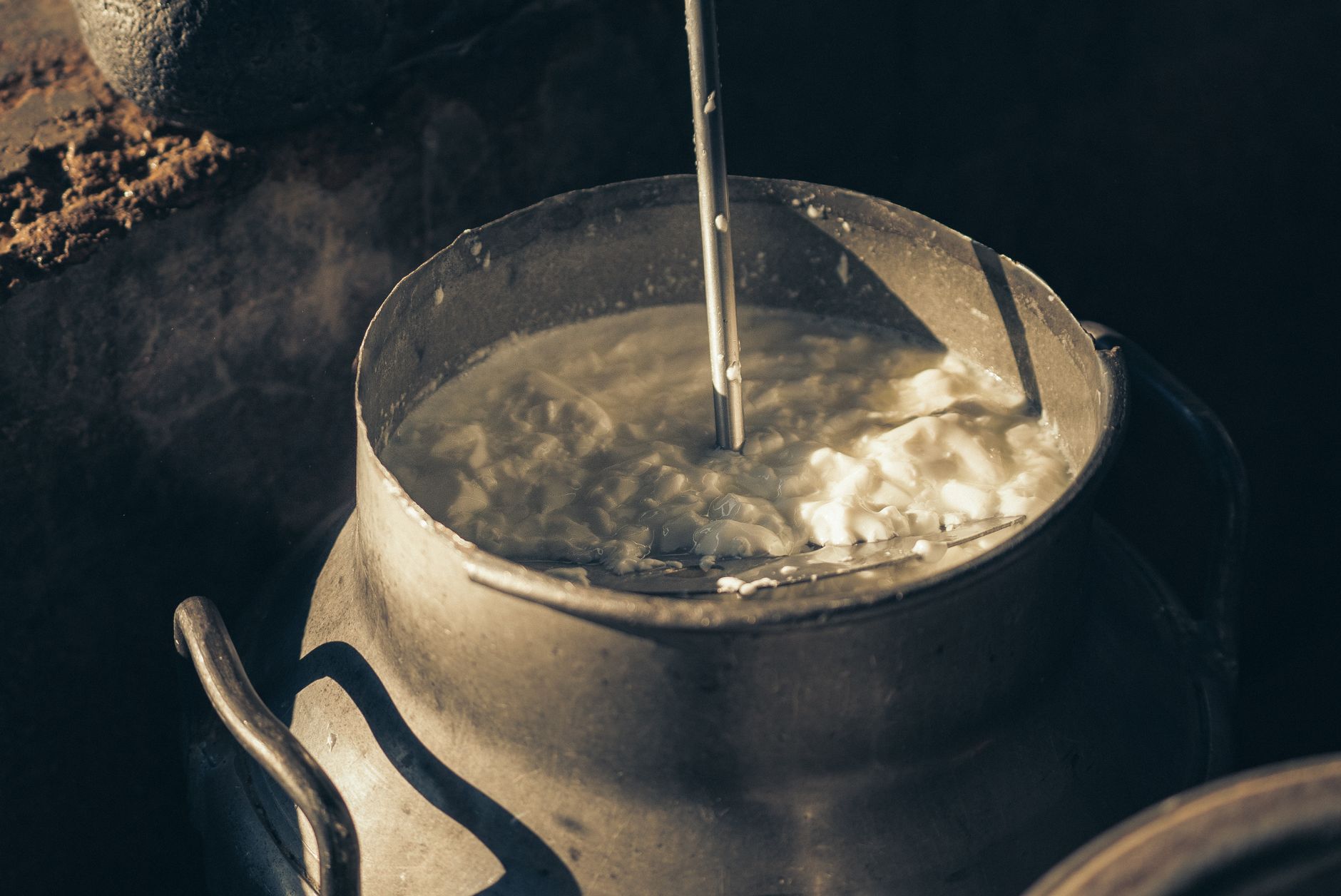
Next, the cream is churned to break down the fat globules, which causes the fat to clump together. This can be done manually in a butter churn or using modern equipment. During this process, buttermilk separates from the solid mass.
3. Washing and Salting
After churning, the butter is washed to remove any remaining buttermilk, which prevents spoilage. Salt may be added for flavor and preservation, although unsalted butter is also popular.
4. Molding and Packaging
The final product is molded into blocks or whipped, after which it is packaged for distribution. The butter can also be homogenized for smoother texture and consistency.
Types of Butter
Butter comes in a variety of types, each with unique characteristics and uses. Here are the most common types of butter you’ll encounter:
1. Unsalted Butter
This is the purest form of butter and contains no added salt. It is often preferred in baking, as it allows for better control over seasoning.
2. Salted Butter
As its name suggests, this butter contains salt, which enhances flavor and acts as a preservative. Salted butter is often used as a table spread or in cooking.
3. Cultured Butter
Cultured butter is made from cream that has been fermented with lactic acid bacteria, resulting in a tangy flavor. It is popular in European cuisine and can elevate the flavor of gourmet recipes.
4. Clarified Butter
Also known as ghee in Indian cuisine, clarified butter is cooked to remove the milk solids and water, resulting in a pure fat. It has a higher smoke point and a nutty flavor, making it great for frying and sautéing.
5. Whipped Butter
This type of butter is aerated to make it lighter and easier to spread. It is often sweetened and flavored, making it suitable for use as a spread or in desserts.
Global Butter Traditions
Butter has left its mark on culinary traditions around the world. Each culture has its unique way of incorporating butter into its cuisine.
1. European Butter Techniques
In France, beurre blanc sauce highlights the flavor of butter, while Italy often uses butter as a base for rich sauces. Northern European countries like Denmark and Germany also have vibrant butter traditions, utilizing it in pastries and baked goods.
2. Asian Culinary Uses
In Indian cooking, ghee is a staple ingredient, used for frying, sautéing, and in sweets. Traditional Middle Eastern dishes often feature butter in rice meals and pastries.
3. American Applications
In the U.S., butter is a fundamental ingredient in baking, especially in cookies, cakes, and pies. Southern cuisine has popularized buttery biscuits, often served as a breakfast staple.
Butter in Modern Cooking
Today, butter continues to be a beloved ingredient in kitchens worldwide. Its ability to enhance flavors and contribute to the texture of dishes makes it irreplaceable in many recipes. Here are several ways to use butter effectively:
Baking with Butter
Butter plays a crucial role in baking, offering moisture and flavor. It can be creamed with sugar to create air pockets in cakes, yielding a light and fluffy texture. When using butter in cookies, the type of butter (salted versus unsalted) can significantly impact the final product.
Cooking Techniques
From sautéing vegetables to finishing sauces, butter adds richness to dishes. Understanding the right temperature for butter is essential; it should never be overheated or burned, as this can produce a bitter taste.
Substituting Butter in Recipes
If you run out of butter, there are several alternatives you can use, each with varying effects on flavor and texture:
- Margarine: A common substitute; however, it contains different fats and can alter taste slightly.
- Shortening: Ideal for baked goods, providing a flakier texture, but lacks the creamy flavor of butter.
- Vegetable oil: Use in equal amounts when baking, but keep in mind it will yield a different texture.
- Applesauce or yogurt: A healthier alternative for baking, reducing calories, although it may change the final texture.
A Guide to Storing Butter
Proper storage is essential to maintain the flavor and quality of butter. Here are some tips:
Refrigeration
Unopened butter can be kept in the refrigerator for several months. Once opened, it should be tightly wrapped or placed in an airtight container to prevent it from absorbing odors. To keep butter fresh, use it within one month of opening.
Freezing
If you want to store butter for a longer period, freezing is an excellent option. Divide it into smaller portions and wrap them tightly in plastic wrap or freezer-safe bags. Butter can be frozen for up to six months, and it doesn’t need to be thawed before using in baking.
Common Mistakes When Using Butter
While butter is a simple ingredient, there are common mistakes that can affect your culinary results:
- Using cold butter: Cold butter can lead to dense baked goods. Allow butter to come to room temperature for recipes that require creaming.
- Overheating butter: High heat can burn butter, resulting in a bitter flavor. Use medium or low heat when melting or cooking with butter.
- Not measuring accurately: Measuring butter incorrectly can alter the outcome of recipes. Use a scale for precision or refer to measuring marks on the wrapping.
Butter and Health Concerns
While butter has had a controversial reputation due to its saturated fat content, recent research suggests it can be part of a healthy diet when used in moderation. Understanding the nutritional aspects can help guide choices about butter consumption.
When considering butter as part of your diet, it’s essential to balance it with other fats, such as olive oil and avocado, which contain healthier unsaturated fats. Always consult relevant dietary sources to assess how butter fits into personal health goals.
Exploring Butter Varieties
As you navigate the world of butter, exploring different varieties and their uses will enhance your culinary repertoire. Here’s a table for quick reference on common butter varieties and their characteristics:
| Type | Flavor | Best Uses |
|---|---|---|
| Unsalted Butter | Rich and creamy | Baking, sauces |
| Salted Butter | Savory and flavorful | Table spread, cooking |
| Cultured Butter | Tangy | Baking, gourmet cooking |
| Clarified Butter | Nutty | Frying, sautéing |
| Whipped Butter | Light and airy | Spreads, toppings |
Incorporating various butter types into your cooking can elevate your dishes and expand your culinary skills. With its rich history and timeless presence, butter remains a formidable ingredient in kitchens worldwide.
Ultimately, understanding where butter originates from and how it fits into global culinary practices enriches your experience in the kitchen. Remember to choose quality butter and use it thoughtfully to express flavor and texture in your cooking.
If you’re keen to try using butter in new ways, consider checking out our recipes for clarified butter or whip up some delightful butter swim biscuits to experience the versatility and richness of butter firsthand.