
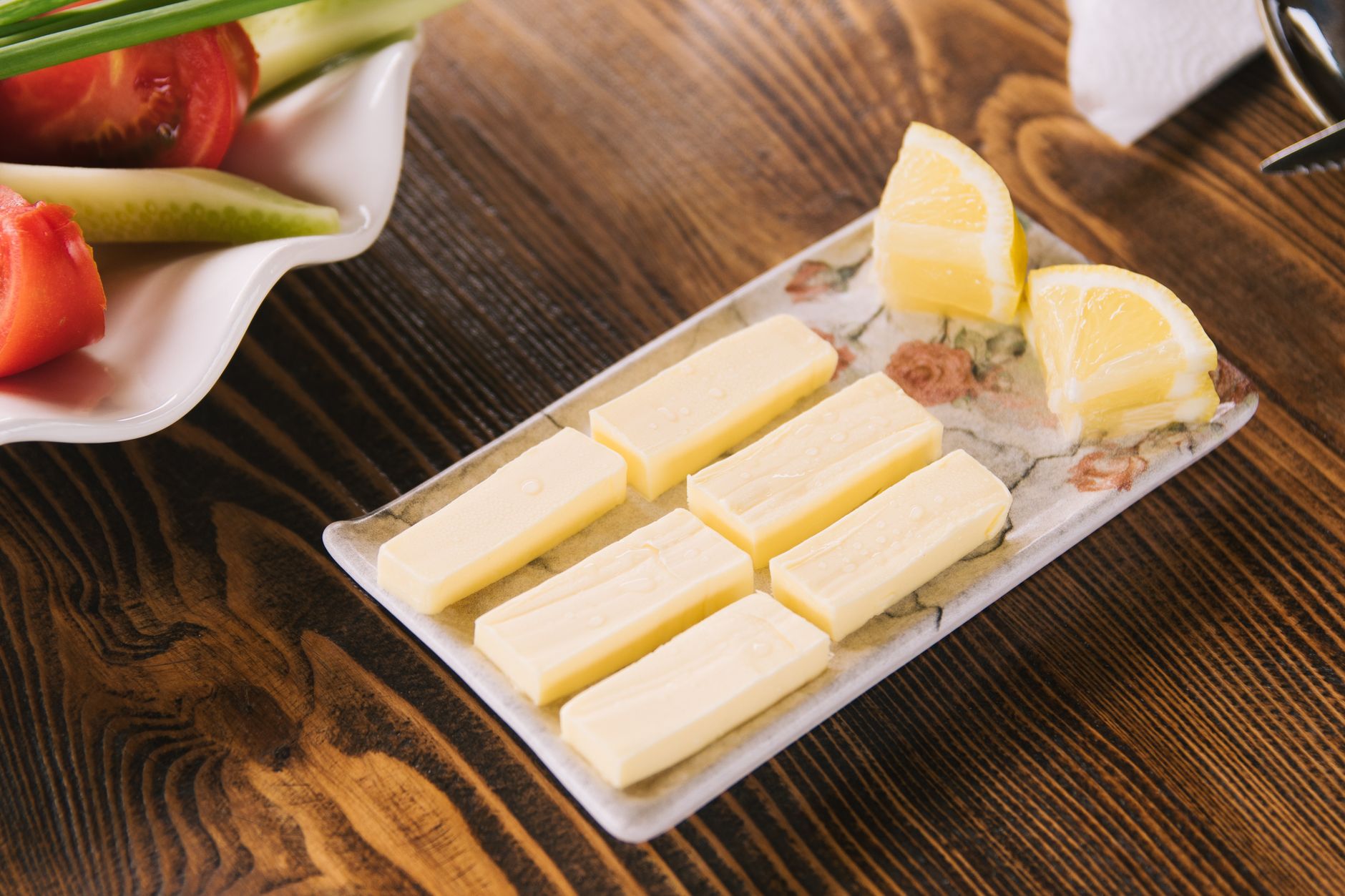
Butter is a beloved culinary staple that adds rich flavor and creamy texture to countless dishes. But have you ever wondered where butter actually comes from? Understanding the origins and production of butter can deepen your appreciation for this versatile ingredient.
This article explores the history, production methods, and regional variations of butter, along with its culinary uses and some tips for incorporating it into your meals.
Where Does Butter Come From?
Butter comes from the milk of various animals, primarily cows, goats, and sheep. The process of making butter involves churning cream until the fat separates from the buttermilk, yielding a rich and creamy product.
The History of Butter
The history of butter dates back thousands of years. Evidence suggests that butter was made as early as 3000 B.C. in places like Mesopotamia. Cultural significance has always been attached to butter, with different regions developing their unique methods of production and culinary uses.
Throughout history, butter has been revered not only for its flavor but also for its nutritional value. Ancient Europeans used butter in cooking, while it was often mixed with herbs and spices. In many cultures, butter plays essential roles in religious ceremonies and festive occasions.
Butter Production Process
Modern butter production involves several key steps, from milk collection to the final churning process.
Step 1: Milk Collection
- Raw milk is sourced from dairy farms, with varying quality depending on the animal’s diet and the environment.
- Most commonly, cow’s milk is used, although goat’s and sheep’s milk also produce tasty butter.
Step 2: Cream Separation
- The raw milk is pasteurized to eliminate harmful microorganisms.
- After pasteurization, the milk is allowed to sit, resulting in the cream rising to the top.
- This cream can be skimmed off and collected for butter production.
Step 3: Churning
- The separated cream is churned, either mechanically or traditionally by hand. This agitated process breaks down the fat globules, leading to the separation of buttermilk from butter.
- The time and method of churning affect the butter’s texture and flavor.
Step 4: Washing and Salting
- Once the butter forms, it is usually washed to remove residual buttermilk, which can cause spoilage.
- Salt may be added for flavor and as a preservative. Unsalted butter is also widely used in cooking and baking.
Types of Butter
Butter comes in various forms, each with its unique characteristics and uses.
Salted vs. Unsalted Butter
- Salted butter has added salt, which enhances flavor and serves as a preservative. It’s ideal for spreading on bread and cooking.
- Unsalted butter is preferred for baking, as it allows for better control of salt levels in recipes.
Clarified Butter
Clarified butter is made by gently heating butter to separate the water and milk solids from the fat. This butter has a higher smoke point, making it great for frying and sautéing. You can learn how to make clarified butter by following our clarified butter recipe.
European-Style Butter
European-style butter contains a higher fat content, usually around 82% compared to the 80% in American butter. This richer butter is known for its creamy flavor and is often used in gourmet recipes.
Other Variants
- Whipped butter has air whipped into it, making it light and spreadable.
- Compound butter is made by mixing butter with various flavorings, such as herbs, spices, or fruits. It’s excellent for finishing dishes or enhancing flavors.
Butter in Regional Cuisines
Butter plays a significant role in a wide variety of regional cuisines around the world, often reflecting local ingredients and culinary traditions.
European Butter Traditions
In France, butter is used generously in cooking, sauces, and pastries, often celebrated as a key ingredient. French cuisine also highlights artisanal butters, including those infused with sea salt or spices.
Indian Ghee
Ghee, a type of clarified butter popular in Indian cuisine, is made by simmering butter to remove water and milk solids, producing a rich and nutty flavor. It is widely used for cooking and as a base for many traditional dishes.
Middle Eastern Butter
In many Middle Eastern countries, clarified butter known as samn or ghee, is commonly used for both cooking and as a condiment, providing a distinct flavor to various dishes.
Culinary Uses of Butter
Butter’s versatility makes it an ideal ingredient for countless recipes, enhancing flavors, moisture, and texture in both sweet and savory dishes.
Baking
In baking, butter contributes to the tenderness and flavor of baked goods. Its ability to cream with sugar makes it essential for cookies and cakes, while its fat content provides flakiness in pastries.
Cooking
Butter can be used in multiple cooking methods, including sautéing, roasting, and poaching. It adds flavor to sauces and serves as a base for numerous dishes, from vegetables to meats.
Spreading and Finishing
Of course, butter is also a popular spread for bread, toast, and biscuits. Compound butters can elevate any dish when used as a finishing touch, providing additional flavor and richness.
Popular Dishes Featuring Butter
Here are some classic dishes that prominently feature butter:
- **Cookies:** Chocolate chip cookies rely on butter for flavor and texture.
- **Sauces:** Many sauces like béchamel or beurre blanc are butter-based, providing richness.
- **Pastes:** Butter is essential in pastry making, such as for croissants and puff pastry.
- **Vegetables:** Sautéed vegetables with butter amplify their natural sweetness and flavor.
Storing Butter
Proper storage of butter is crucial to maintaining its flavor and freshness.
Refrigeration
Butter should be stored in the refrigerator to prevent spoilage. Wrap it tightly in parchment paper, wax paper, or an airtight container to protect it from absorbing other odors.
Freezing
Butter can be frozen for longer storage. It should be wrapped tightly in its original packaging, then placed in a freezer bag. When frozen, butter can last up to six months.
Common Butter Substitutes
If you need alternatives to butter, several options exist based on your dietary preferences or needs.
Vegetable Oil
Vegetable oil can be used as a substitute in baking and cooking. Use a 1:1 replacement ratio for most recipes, but keep in mind that this may alter texture and flavor.
Coconut Oil
Coconut oil is a popular vegan alternative that provides a similar fat content. It can be substituted at a 1:1 ratio but may impart a hint of coconut flavor.
Applesauce or Mashed Bananas
In baking, unsweetened applesauce or mashed bananas can replace butter to add moisture. Use about 1/4 cup of fruit puree for every 1/2 cup of butter.
Common Mistakes When Using Butter
Even experienced cooks can make mistakes when working with butter. Here are some pitfalls to avoid:
- **Not Softening Properly:** Ensure butter is adequately softened to room temperature before creaming with sugar in baking.
- **Burning Butter:** Keep an eye on the color of melted butter. It can go from perfectly browned to burnt very quickly.
- **Over-mixing:** When incorporating butter into batters, avoid over-mixing, which can create dense textures.
Butter’s Nutritional Profile
Butter is high in calories and fat, primarily saturated fat. It contains vitamins A, D, E, and K. However, it’s essential to use it in moderation, as excessive consumption of saturated fats can lead to health issues.
Understanding Dietary Restrictions
While butter is a delicious and traditional cooking fat, it’s not suitable for everyone.
Vegan Diets
For those following a vegan diet, alternatives such as margarine or plant-based butter are widely available.
Lactose Intolerance
Individuals who are lactose intolerant can opt for ghee, as it contains negligible lactose, or various non-dairy butter alternatives.
Conclusion
Butter is an ingredient that carries a rich history and culinary significance around the globe. Whether you use it for cooking, baking, or as a condiment, understanding where butter comes from and how it’s produced can enhance your culinary experience.
To explore further, check out our clarified butter recipe for a unique take on this delicious ingredient, or try making butter swim biscuits for a perfect buttery side dish!