
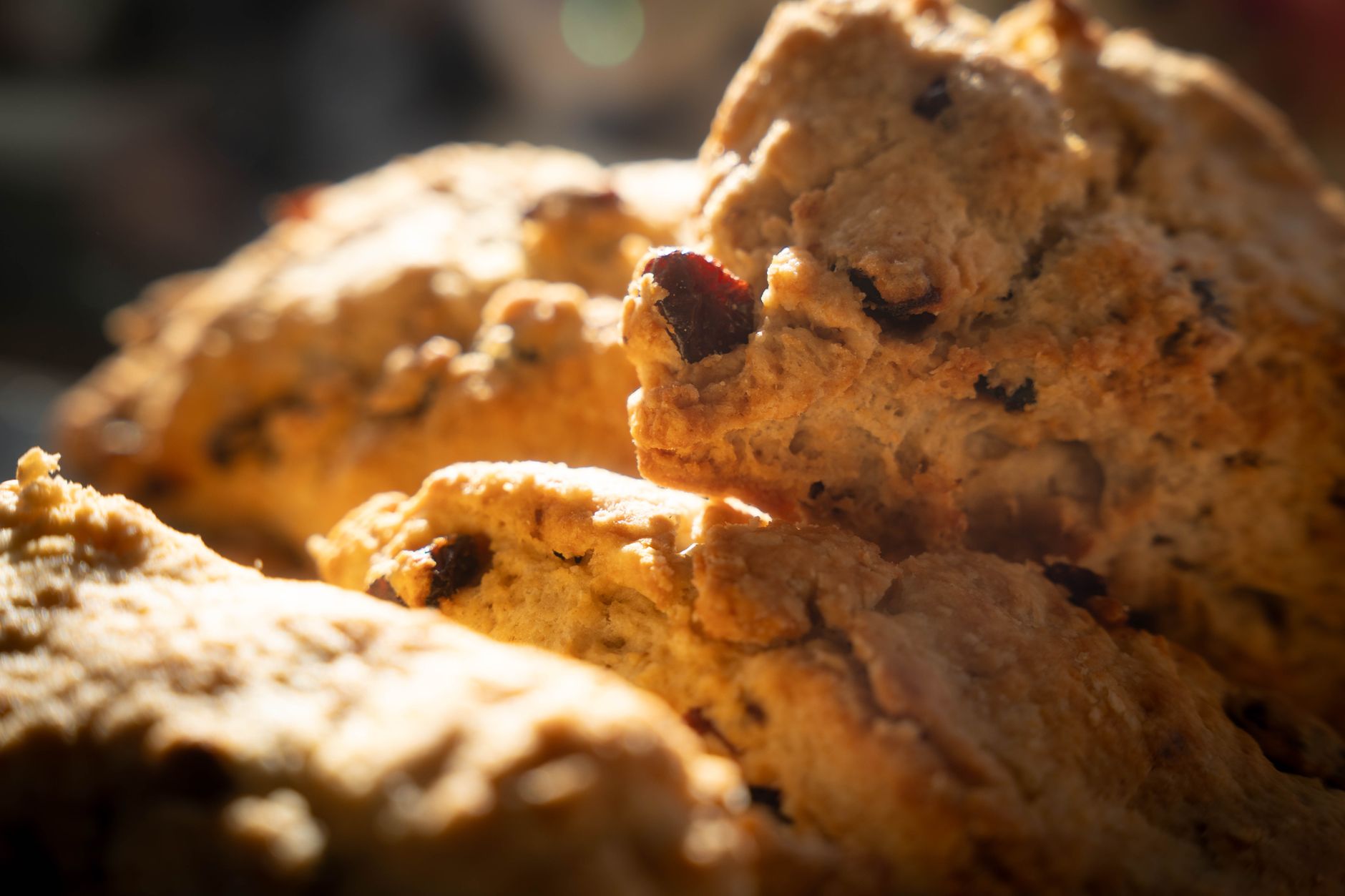
Scones, a delightful baked treat, have cemented their place in the culinary world, particularly within British culture. These rich, buttery pastries are often enjoyed with jam and clotted cream during afternoon tea. But have you ever wondered where scones come from and how they evolved into the treats we enjoy today?
This article delves into the intriguing history of scones, exploring their origins, regional variations, and the cultural significance they hold. Let’s embark on a journey to understand where scones come from and how they became a beloved staple in many households.
Where Do Scones Come From?
Scones originated in Scotland in the early 16th century, with the term ‘scone’ believed to be derived from the Dutch word ‘schoonbrot,’ meaning ‘fine bread.’ Over time, the recipe and preparation methods have evolved, leading to the unique versions we see today across the United Kingdom and beyond.
The Historical Context of Scones
To truly appreciate scones, one must understand the landscape of British baking during the 16th century. It was a period when baking was undergoing significant transformation, transitioning from simple bread-making to more elaborate pastries.
Initially, scones were made with oats, which were a staple grain in Scotland. The earliest recipes were rather dense and hearty due to the use of wholemeal oats. Butter was a luxury at the time, so many scones were made with water or milk as the primary liquid, resulting in a different texture from the rich scones of today.
Regional Variations of Scones
As scones made their way across the United Kingdom, various regions developed their unique interpretations and styles. Here’s a look at some notable variations:
Scottish Scones
Traditional Scottish scones are typically made with oats and have a denser texture. These scones are often served with savory toppings, such as cheese, and differ in taste and preparation from those made in England. They may also include ingredients like raisins or currants for added sweetness.
English Scones
English scones are lighter, fluffier, and more buttery than their Scottish counterparts. They are often served during afternoon tea and come best paired with jam and clotted cream. Classic English scone flavors include vanilla and lemon zest, lending a fragrant quality to their appeal.
Irish Scones
Irish scones tend to be slightly sweeter and are often enriched with fruits such as currants and cranberries. They may be flavored with buttermilk, resulting in a moist texture. An intriguing aspect of Irish scones is that they are sometimes made with a dash of whiskey, adding depth to their flavor profile.
American Scones
American scones have adapted to local tastes and may be more cake-like than traditional British scones. They often contain additional ingredients such as chocolate chips, nuts, and dried fruits, offering a broader range of flavors. Their preparation may include cream or yogurt for a richer, more indulgent treat.
The Role of Scones in British Culture
Scones have become iconic in British culture, primarily due to their association with afternoon tea—a tradition that dates back to the early 19th century. Initially, afternoon tea was created by Anna Maria Russell, the Duchess of Bedford, to stave off the hunger that came between lunch and dinner. It eventually evolved into a social event that featured scones, sandwiches, and pastries.
Today, scones continue to be enjoyed across the UK, often found in tea rooms and bakeries, where they are served with a pot of tea. The ritual of preparing and serving scones has become an essential part of British hospitality.
Common Ingredients in Scones
Understanding the common ingredients used in scones can help anyone replicate or innovate their own recipes. Below are key components:
- Flour: All-purpose flour is typically used for its balance between structure and tenderness.
- Leavening Agent: Baking powder is the most common leavening agent, ensuring the scones rise adequately while baking.
- Fat: Cold butter is crucial for achieving a flaky texture; it should be incorporated into the flour for effective results.
- Liquid: Milk or cream adds moisture and richness. Buttermilk is also a popular choice, providing a slight tang.
- Sugar: While scones can be savory, a small amount of sugar is often added for sweetness.
- Extras: Add-ins such as fruits, nuts, or spices can enhance the flavor profile of the scone.
How to Bake Scones at Home
Now that we have covered the origins and varieties of scones, it’s time to learn how to bake them at home. Making scones is relatively straightforward, requiring just a few ingredients and techniques to yield delightful results.
Essential Equipment
- Mixing bowl
- Pastry cutter or fork
- Baking sheet
- Parchment paper
- Rolling pin (optional)
- Cookie cutter or knife
Basic Scone Recipe
This simple recipe yields approximately 8 scones. Note that scones are best enjoyed fresh out of the oven.
Ingredients
- 2 cups all-purpose flour
- 1/4 cup granulated sugar
- 1 tablespoon baking powder
- 1/2 teaspoon salt
- 1/2 cup cold unsalted butter, cubed
- 3/4 cup milk or cream
- 1/2 cup of dried fruit (optional)
Instructions
- Preheat your oven to 400°F (200°C). Line a baking sheet with parchment paper.
- In a large mixing bowl, combine the flour, sugar, baking powder, and salt.
- Add the cold butter to the flour mixture. Use a pastry cutter or fork to blend the butter until the mixture resembles coarse crumbs.
- Make a well in the center of the mixture and pour in the milk (and dried fruit, if using). Stir gently until just combined.
- Turn the dough onto a floured surface and knead gently just until smooth. Avoid over-kneading, as this can lead to tough scones.
- Roll or pat the dough to about 1-inch thickness. Cut into rounds using a cookie cutter or into triangles with a knife.
- Transfer the scones to the prepared baking sheet. Bake for 15-20 minutes until golden brown and risen.
- Remove from the oven and allow to cool slightly before serving. Enjoy warm with jam and clotted cream.
Practical Tips for Baking Scones
When it comes to baking scones, there are a few practical tips to keep in mind:
- Use Cold Ingredients: Cold butter and liquid lead to flakier scones. Do not skip this step—chill your ingredients beforehand if possible.
- Avoid Overworking the Dough: Scones should be mixed until just combined. Overworking the dough can result in a dense texture.
- Experiment with Flavors: Don’t hesitate to add different spices, citrus zest, or extracts to elevate your scone experience.
- Serve Fresh: Scones are best enjoyed fresh out of the oven or within a day. If making ahead, store them in an airtight container to retain moisture.
Common Mistakes to Avoid
To ensure your scones turn out perfectly, watch out for these common pitfalls:
- Too Much Liquid: Adding too much milk can lead to flat scones. Always measure liquids carefully.
- Improper Oven Temperature: Ensure your oven is preheated adequately. A hot oven helps achieve that perfect rise.
- Neglecting to Chill Ingredients: Forgetting to use cold butter may prevent you from getting those desirable flaky layers.
Serving Suggestions and Pairings
Scones are versatile and can be paired with a variety of toppings and beverages for a delightful experience. Here are some serving suggestions:
- Jam and Clotted Cream: The classic pairing—spread a generous layer of jam followed by clotted cream for a luxurious treat.
- Fresh Fruits: Serve with fresh berries or sliced fruit for a refreshing bite alongside your scone.
- Tea: Enjoy your scones with a cup of traditional English breakfast tea or Earl Grey for a quintessentially British experience.
Storing and Reheating Scones
Scones are best enjoyed fresh, but if you have leftovers or make a batch ahead of time, proper storage is essential.
- Storage: Keep cooled scones in an airtight container at room temperature for up to two days. For longer storage, consider freezing them.
- Freezing: Scones can be frozen either before or after baking. If freezing unbaked scones, shape them and place on a baking sheet until firm, then transfer to a freezer bag. For baked scones, allow them to cool completely before wrapping tightly and freezing.
- Reheating: To reheat baked scones, place them in a preheated oven at 350°F (175°C) for about 10 minutes or until warmed through. If they’re frozen, adjust the time accordingly.
The Modern Scone: Trends and Innovations
In recent years, scones have been revitalized with modern twists, including gluten-free and vegan variations. Bakers are experimenting with flavors like matcha, pumpkin spice, and savory cheeses to cater to contemporary tastes and dietary preferences.
As global influences expand, unique ingredients such as matcha green tea and taro are making their way into scone recipes, highlighting the evolving nature of this beloved baked good.
Conclusion
Scones have a rich history and cultural significance, rooted in tradition yet adaptable to modern tastes. Whether you enjoy them as part of a leisurely afternoon tea or a warm treat with breakfast, understanding their origins enhances your appreciation.
Now that you know where scones come from and how they evolved, why not try baking a batch at home? Explore classic English scone recipes or experiment with regional variations to make them your own.
For more delicious recipes, feel free to check out our English scones recipe or learn how to make crumpets for a delightful breakfast option.