
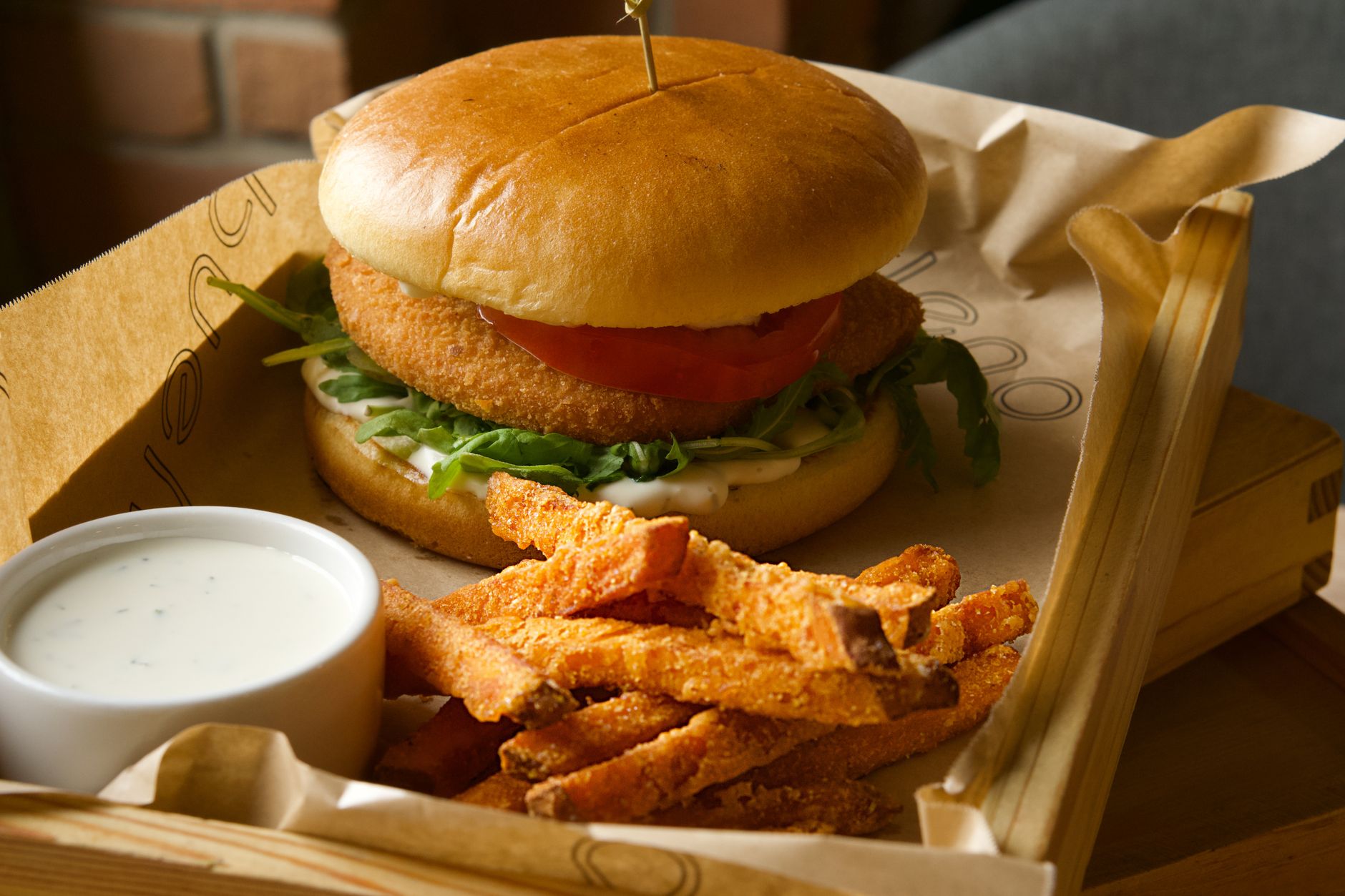
Ranch dressing has become a staple condiment in countless households across America. Known for its creamy texture and tangy flavor, this dressing enhances everything from crisp salads to classic buffalo wings. But where did ranch come from? Understanding its origin gives us a deeper appreciation for this versatile dressing that has found its way into our kitchens and restaurants.
The story of ranch dressing unfolds in the heart of California during the 1950s, when a man named Steve Henson introduced this delightful creation. Henson was a plumbing contractor who operated a dude ranch, and it was at his ranch where he began to experiment with flavors that would eventually lead to the ranch dressing we know today.
Where Did Ranch Come From?
The origins of ranch dressing can be traced back to the 1950s in California. As mentioned, it was developed by Steve Henson, who initially created the dressing as a dip for vegetables and other appetizers served to guests at his dude ranch in Alaska. The blend of buttermilk, mayonnaise, and various herbs and spices became incredibly popular among his guests, leading to its widespread appeal.
After relocating to California, Henson began bottling his dressing under the name “Ranch” in 1954. This unique flavor quickly caught on, becoming a favorite condiment across the nation. In 1972, the Hidden Valley Ranch brand was sold to a food conglomerate, further propelling ranch dressing into the fabric of American cuisine.
The Ingredients That Make Ranch Special
Ranch dressing is known for its unique flavor profile, which blends creamy, tangy, and herby notes. The basic ingredients typically include:
- Buttermilk
- Mayonnaise
- Garlic powder
- Onion powder
- Dried dill
- Dried parsley
- Black pepper
- Salt
These ingredients work together to create the creamy and flavorful experience that ranch dressing is celebrated for. But where did these components come from? Each of them has its history and culinary significance.
Buttermilk
Buttermilk is the slightly sour liquid left after churning cream into butter. Historically, buttermilk was a staple in many households, especially on farms, where it served as a rich and nutritious liquid for both cooking and consumption. Its tangy flavor is a key ingredient in ranch dressing, providing the dressing with its characteristic taste.
Mayonnaise
This rich and creamy emulsion made from eggs, oil, and vinegar is believed to have originated in Spain and later made its way to France. With its smooth texture and mild flavor, mayonnaise serves as a perfect base for ranch dressing, contributing to its velvety consistency.
Herbs and Spices
The herbs and spices used in ranch dressing vary by recipe, but commonly include garlic powder, onion powder, dill, parsley, and black pepper. These ingredients not only enhance the flavor but also reflect the culinary traditions that emphasize the use of fresh herbs. Dill, for instance, has been used for centuries in various cuisines, while garlic and onion have long been celebrated for their ability to elevate flavors.
How to Make Classic Ranch Dressing
While understanding the history of ranch dressing is fascinating, many people are also interested in making it at home. Below is a simple recipe for a classic ranch dressing that captures the essence and flavor of the original:
Yield: Approximately 2 cups
Preparation Time: 10 minutes
Total Time: 10 minutes
Ingredients
- 1 cup buttermilk
- 1/2 cup mayonnaise
- 1/2 teaspoon garlic powder
- 1/2 teaspoon onion powder
- 1 teaspoon dried dill
- 1 teaspoon dried parsley
- 1/4 teaspoon black pepper
- Salt to taste
Essential Equipment
- Mixing bowl
- Whisk or fork
- Measuring cups and spoons
- Storage container with lid
Method
- In a mixing bowl, combine the buttermilk and mayonnaise. Whisk together until the mixture is smooth and creamy.
- Add in the garlic powder, onion powder, dried dill, dried parsley, and black pepper. Whisk until all dry ingredients are fully incorporated.
- Season the dressing with salt to taste, adjusting as needed for flavor.
- Transfer the ranch dressing to a storage container with a lid. Refrigerate for at least 30 minutes to let the flavors meld together.
- Once chilled, give the dressing a quick stir before serving. Enjoy with fresh vegetables, on salads, or as a dipping sauce.
Variations of Ranch Dressing
Many people enjoy customizing their ranch dressing to suit their tastes or dietary needs. Here are a few popular variations:
Spicy Ranch Dressing
Add hot sauce or cayenne pepper to the classic recipe to give it an extra kick. Adjust the amount based on your preferred spice level.
Avocado Ranch Dressing
To create a creamy avocado version, blend ripe avocado into the mixture along with the other ingredients. This not only enhances the creaminess but also adds a delightful flavor.
Vegan Ranch Dressing
For a vegan option, replace the mayonnaise with a vegan mayo substitute and use a plant-based milk in place of buttermilk. There are also recipes that use cashews that have been soaked and blended for a creamy texture.
Common Mistakes When Making Ranch Dressing
Making ranch dressing at home is relatively straightforward, but certain pitfalls can affect the final outcome. Here are some common mistakes and how to avoid them:
- Using Fresh Herbs Instead of Dried: Fresh herbs provide a different flavor profile than dried herbs. If you prefer using fresh, increase the quantity and adjust according to taste.
- Not Allowing it to Chill: Skipping the refrigeration step can lead to a dressing that tastes flat. Allowing the flavors to meld is crucial for achieving the desired taste.
- Over-Salting: Always start with a small amount of salt and adjust. Remember, you can add more, but you can’t take it away!
Serving Suggestions for Ranch Dressing
Ranch dressing is incredibly versatile and can enhance a variety of dishes. Here are some popular serving suggestions:
- As a salad dressing, drizzled over mixed greens or for pasta salads.
- As a dip for fresh vegetables such as carrots, celery, and bell peppers.
- Accompanying chicken wings, especially buffalo-style, for a cooling contrast.
- On pizzas as a dipping sauce or drizzled over slices.
- Used in sandwiches or wraps for added creaminess.
Storing and Reheating Ranch Dressing
Homemade ranch dressing can be stored in an airtight container in the refrigerator. It should be consumed within one week for optimal freshness. There’s no need to reheat ranch dressing, as it is best enjoyed cold.
Ranch Dressing in Popular Culture
Ranch dressing has evolved from a simple dip at a ranch in California to a cultural phenomenon in culinary traditions. It’s often touted as America’s favorite salad dressing. This has given rise to various promotional campaigns and pop culture references that highlight its stronghold in American cuisine.
Since its invention, ranch dressing has inspired a myriad of products, including ranch-flavored snacks, dips, and even cocktails. Its overwhelming popularity has led many brands to create their own versions, which often include unique flavor blends and ingredients to cater to diverse palates.
The Impact of Ranch Dressing
Ranch dressing’s popularity has played a significant role in the growth of certain food trends. The rise of “ranch-flavored everything” shows how this dressing has influenced food preferences across the nation. From ranch-flavored chips to ranch seasoning blends, the impact is hard to miss.
Moreover, ranch dressing has inspired food pairs that might surprise some, as it easily complements everything from potato wedges to fried pickles. Its adaptability ensures that it remains a staple condiment in American households, food trucks, and restaurants.
Conclusion
The journey of ranch dressing from a simple creation at a dude ranch to a beloved culinary staple has shaped the way American people approach flavoring and dipping. Each ingredient plays a role in creating that creamy, tangy dressing that brings together so many dishes. Whether you opt for the classic version or explore variations, ranch dressing continues to be a delightful addition to any meal. As you explore this flavor, consider trying it with different foods or making your own version to enjoy this rich culinary history.
For more delicious ranch-inspired ideas, check out our Ranch Pretzel Recipe or try our Wingstop Ranch Recipe for your next gathering.