
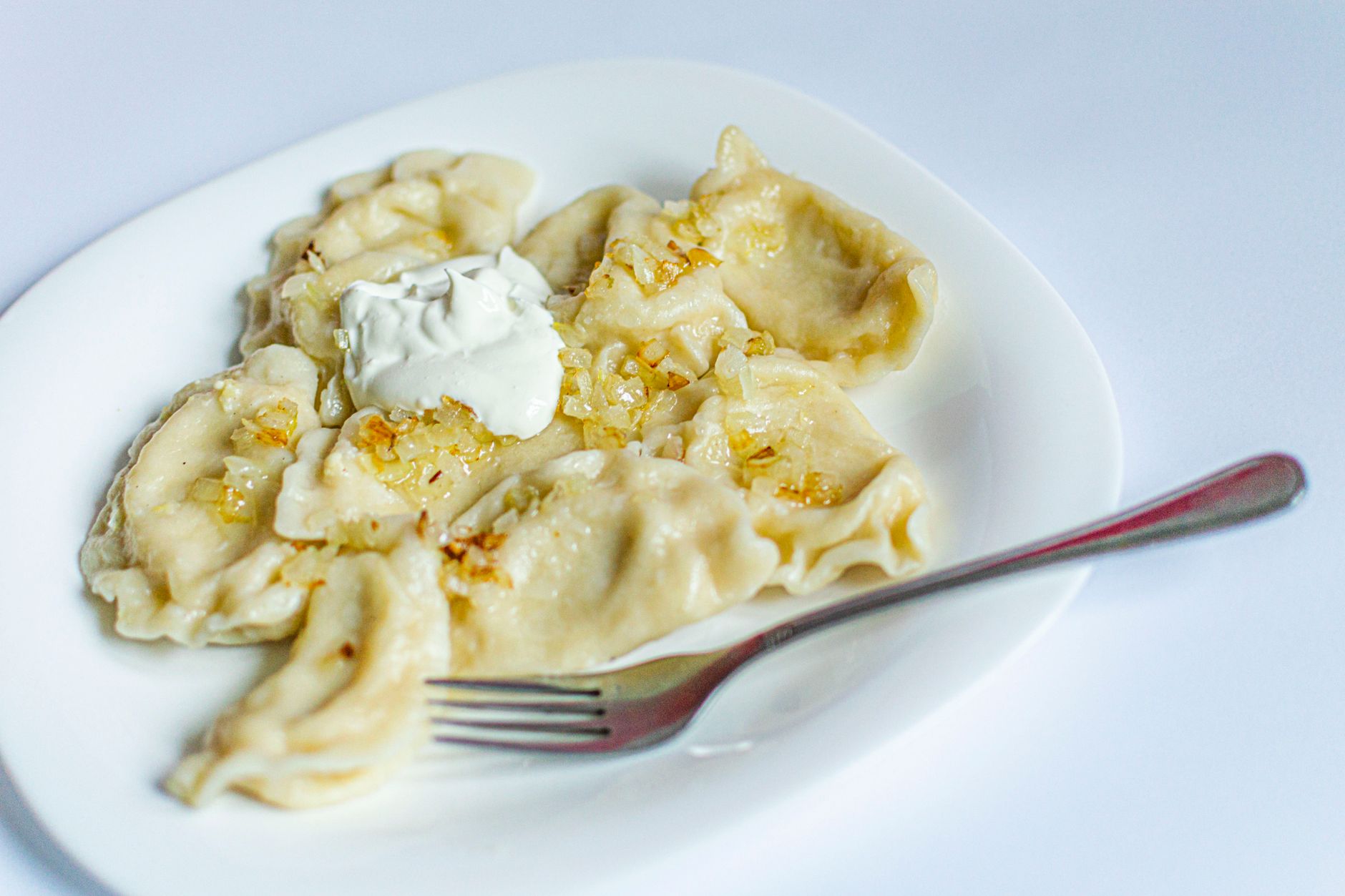
Pierogies are a beloved dish with a rich history and a unique cultural significance, primarily associated with Eastern European cuisines. These delicious dumplings are typically stuffed and can be both savory and sweet, making them a versatile option for any meal. Understanding their origin story helps to deepen your appreciation for these delightful pockets of flavor.
While pierogies might be commonly linked to Polish cuisine, their history is rooted in various Slavic traditions. This article will explore where pierogies originate, their journey through history, and their evolution into the dish we enjoy today.
Where Are Pierogies From?
The origins of pierogies can be traced back to the 13th century in Eastern Europe, particularly in what is now Poland. While many believe that the first pierogies were created by Polish cooks, evidence suggests that similar stuffed dumplings have also appeared in other Slavic cultures, such as Ukrainian, Russian, and Czech cuisines. Over the years, pierogies have transcended their regional roots to become popular worldwide.
The Historical Journey of Pierogies
To truly appreciate pierogies, it’s essential to take a step back in time and explore their historical context. The dish has evolved alongside various cultural and culinary influences throughout the centuries.
Early Records and Cultural Connections
The first known mention of pierogies dates back to 1230 in Poland. However, records indicate that similar dumplings were being consumed by other Slavic peoples during that period, including the Ukrainians, who refer to them as “varenyky.” The core concept of filling a dough pocket with various ingredients is a common theme across many cultures, leading to significant variations in stuffing and preparation methods.
In the early days, pierogies were most likely composed of simple ingredients common in peasant diets, such as potatoes, cabbage, and cheese. The fillings have since expanded to include meats, fruits, and even sweet combinations, showcasing the dish’s versatility.
Religious and Cultural Significance
Throughout history, pierogies have held cultural and religious importance in many Eastern European countries. In Poland, for example, they are often consumed during important holidays like Christmas and Easter. The tradition of making and sharing pierogies has become a significant part of family gatherings, fostering a sense of community and connection among loved ones.
In nearly all Slavic cultures, the preparation of pierogies is a labor-intensive process that is often shared among family members, symbolizing unity and togetherness. The process of rolling dough, preparing fillings, and cooking the dumplings is often considered a rite of passage, especially for women within families, as recipes are handed down through generations.
The Global Spread of Pierogies
Immigration played a crucial role in spreading the popularity of pierogies beyond Eastern Europe. Polish and Ukrainian immigrants introduced the dish to countries such as the United States and Canada in the late 19th and early 20th centuries. As these communities settled in their new homes, they brought their culinary traditions with them, integrating pierogies into the local food culture.
Today, pierogies can be found in various forms across the globe, often incorporating local ingredients and flavors. In the United States, they are especially popular in areas with significant Polish and Ukrainian populations, such as Chicago and Buffalo, where pierogi festivals celebrate their diverse appeal.
Diverse Variations of Pierogies
The beauty of pierogies lies in their adaptability, leading to a wide range of variations based on regional flavors and personal preferences. Here are some of the most common types:
Savory Pierogies
- Potato and Cheese: This classic filling consists of mashed potatoes blended with cheese, often cheddar or farmer’s cheese, offering a creamy and comforting flavor.
- Cabbage: A traditional Eastern European filling made from sautéed cabbage and onions, providing a slightly sweet and savory profile.
- Meat: Ground meats, such as beef, pork, or chicken, seasoned with herbs and spices, create a heartier option.
- Mushroom: A popular choice among vegetarians, this filling is made with sautéed mushrooms and onions, delivering an earthy flavor.
Sweet Pierogies
- Fruit: Sweet pierogies are typically filled with fruits like blueberries, strawberries, or cherries, often served with a dollop of sour cream or a sprinkle of sugar.
- Cottage Cheese: This filling is usually sweetened with sugar and sometimes flavored with vanilla. It provides a rich, creamy alternative for dessert pierogies.
Making Pierogies at Home
Creating pierogies from scratch may seem intimidating at first, but with some practice, it can be a rewarding culinary experience. Here’s a basic overview of how to make pierogies at home:
Essential Ingredients
- Dough: Typically made with all-purpose flour, eggs, water, and salt.
- Fillings: Choose from savory or sweet options based on your preference. Popular savory fillings include potato and cheese or sauerkraut, while sweet options can include fruit or sweetened cheese.
Equipment You Will Need
- Mixing bowl
- Rolling pin
- Cookie cutter or round glass
- Pot for boiling
- Sauté pan for frying (optional)
- Slotted spoon
Step-by-Step Method
- Prepare the Dough: In a mixing bowl, combine 2 cups of flour, a pinch of salt, and one egg. Gradually add the water until the mixture forms a dough. Knead until smooth, then cover and let it rest for 30 minutes.
- Make the Filling: Prepare your desired filling, such as mashed potatoes with cheese or sweetened cottage cheese. Ensure the filling is cool before using it.
- Roll the Dough: On a floured surface, roll out the dough to about 1/8 inch thick. Use a cookie cutter or a glass to cut out circles.
- Fill the Pierogies: Place a small spoonful of filling in the center of each dough circle. Fold the circle in half and pinch the edges tightly to seal. Ensure there are no air pockets.
- Cook the Pierogies: Bring a large pot of salted water to a boil. Drop the pierogies in batches, ensuring not to overcrowd. Cook until they float to the surface (about 3-5 minutes), then remove with a slotted spoon.
- Serve: While optional, you can sauté the boiled pierogies in butter for a crispy exterior. Serve with toppings like sour cream, caramelized onions, or even bacon bits.
Common Mistakes to Avoid
Making pierogies can be straightforward, but there are several common pitfalls to avoid for the best results:
- Overfilling: Be careful not to add too much filling, as this may cause the dumplings to burst open during cooking.
- Insufficient Sealing: Ensure you pinch the edges of the dough securely to prevent leakage. Consider using a fork to crimp the edges for extra security.
- Not Resting the Dough: Allowing the dough to rest is crucial for achieving the right consistency. This makes it easier to roll out and shape.
Serving Suggestions
Pierogies can be enjoyed in a variety of ways, depending on personal preferences and cultural traditions:
- Traditional Toppings: Sour cream and fresh herbs, such as chives or dill, are typical accompaniments.
- Caramelized Onions: Adding caramelized onions on top enhances the flavor profile and adds an extra layer of richness.
- Cheddar Cheese: Sprinkling grated cheese over hot pierogies can give them a comforting, gooey texture.
How to Store and Reheat Pierogies
If you have leftovers or wish to make pierogies in advance, it’s essential to store them properly to maintain their quality:
Storage
Boiled pierogies can be refrigerated in an airtight container for 3-5 days. For longer storage, freeze uncooked or cooked pierogies. To freeze, spread them out on a baking sheet to prevent sticking. Once frozen, transfer them to a freezer-safe bag and label with the date.
Reheating
- Boiled Pierogies: Place them in boiling water for a few minutes until heated through.
- Fried Pierogies: Reheat in a skillet over medium heat, adding a bit of butter or oil until crispy and warmed through.
Conclusion
Pierogies are not just a dish; they are a testament to the rich traditions and cultures that have shaped Eastern European cuisine. Whether you’re enjoying them at a local festival or making them at home, pierogies embody the essence of warmth, family, and comfort food. By understanding their history and experimenting with different fillings, you can appreciate these delightful dumplings even more.
Explore more culinary experiences to complement your understanding of diverse cuisines and ingredients. Discover other comforting recipes, innovative cooking tips, or guides on regional dishes that inspire creativity in the kitchen.