
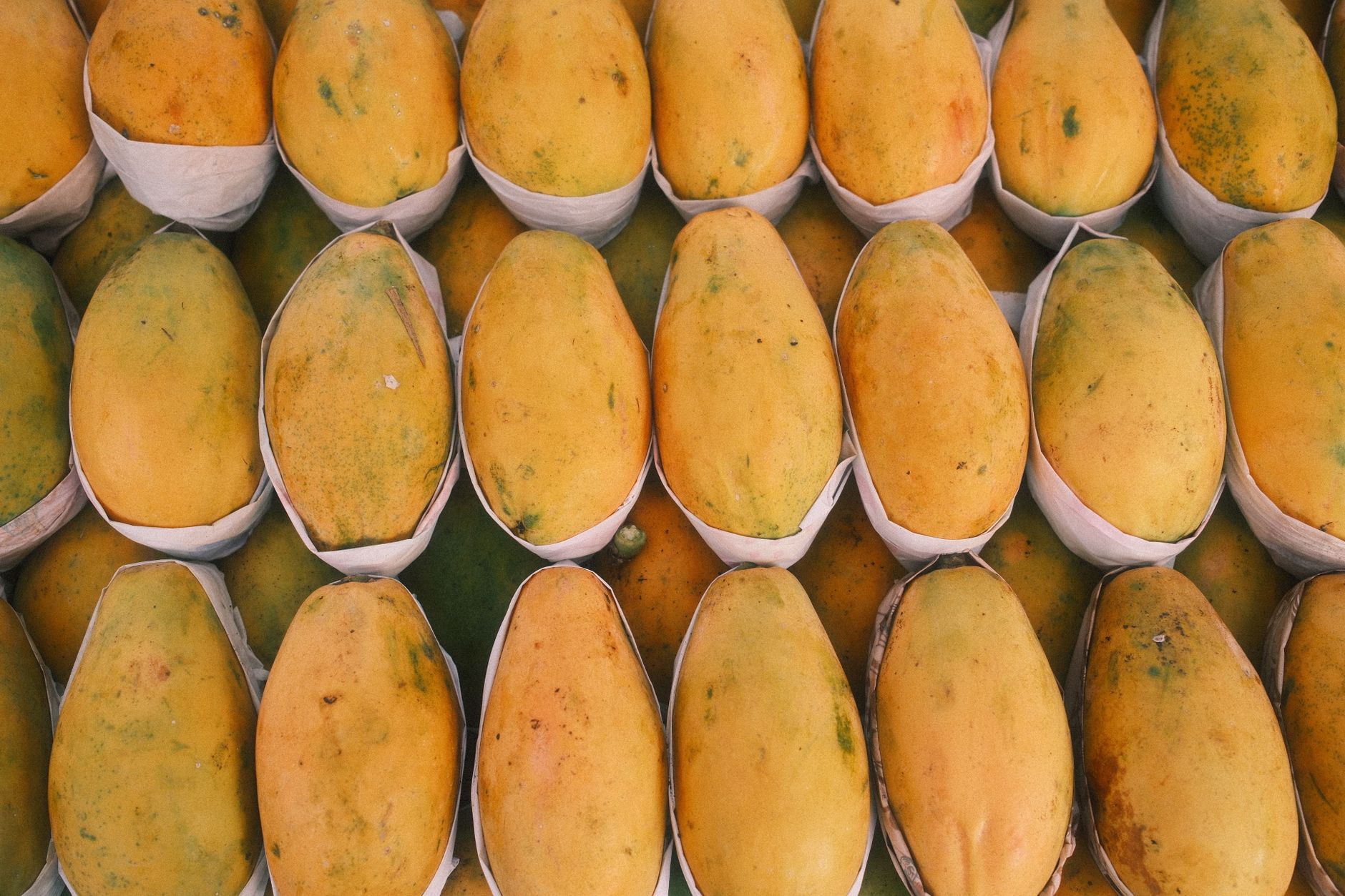
Mangos are a tropical stone fruit loved by many for their sweet, juicy flesh and vibrant color. They have a rich history intertwined with various cultures and cuisines, making them not just a delicious fruit, but also a significant part of global food traditions. Understanding where mangos come from enhances our appreciation of them in culinary applications.
This article delves into the origins of mangos, their history as a food source, and the cultural significance they hold in different parts of the world. We will also explore how to choose, store, and use mangos in various dishes, making them a fitting addition to your kitchen.
Where Are Mangos From?
Mangos originated in South Asia, specifically the Indian subcontinent, over 4,000 years ago. Today, they are cultivated in tropical and subtropical regions around the world, including India, the Philippines, Mexico, and Thailand. The cultivation and consumption of mangos have expanded significantly as they have become popular internationally.
The Origins of Mangos
The mango tree, scientifically known as Mangifera indica, is believed to have first emerged in the region that is now India, Bangladesh, and Myanmar. Ancient texts from these areas mention mangos as a valuable fruit, highlighting their early significance in agriculture and trade.
Mangos have been symbolic in many cultures; they are often associated with love, prosperity, and fertility. For example, Hindu mythology depicts the mango tree as a sacred entity, and the fruit is often used in religious rituals and ceremonies.
The Journey of Mangos Across the Globe
Mangos traveled from their native land to different parts of the world through trade routes established by explorers and traders. Persian traders introduced them to the Middle East, while the Portuguese transported them to Brazil and West Africa in the 15th and 16th centuries. Through these explorations and exchanges, mangos reached the Caribbean and eventually the United States.
Today, India remains the largest producer of mangos, followed by countries like China, Thailand, Indonesia, and the Philippines. Different varieties have emerged in each region, each boasting unique flavors and textures, contributing to the global popularity of the mango.
Mango Varieties
With hundreds of varieties of mangos produced worldwide, each has its own flavor profile and characteristics. Here are a few notable varieties:
- Haden: Known for its bright red skin with green and yellow undertones, the Haden mango has a sweet and slightly tangy taste. It’s popular for both eating fresh and using in salsas.
- Alphonso: Hailing from India, this variety is famous for its rich sweetness and smooth, buttery texture. It’s often referred to as the “king of mangos.”
- Kent: Kent mangos are large and oval-shaped, with a sweet flavor and minimal fiber, making them ideal for smoothies and desserts.
- Tommy Atkins: This variety has a thick skin and is widely available in supermarkets. It has a mildly sweet flavor and is often used in commercial products.
How to Choose the Perfect Mango
Choosing a ripe mango can enhance your culinary experience significantly. Here are some tips to help you select the perfect mango:
- Color: Look for vibrant, rich colors indicating ripeness. Depending on the variety, a ripe mango may be yellow, red, or a combination of both.
- Texture: Gently squeeze the mango. A ripe mango should yield slightly to pressure, indicating it is soft and ready to eat.
- Aroma: A ripe mango emits a sweet, fragrant aroma near the stem end. This indicates its readiness for consumption.
- Shape: A ripe mango should have a plump and rounded shape, not flat or shriveled.
Storing Mangos
Proper storage is essential to maintain the freshness and flavor of mangos. Here’s how to store them effectively:
Unripe Mangos
Store unripe mangos at room temperature to allow them to ripen. Depending on their initial condition, this may take a few days. Once ripe, you can move them to a cooler environment.
Ripe Mangos
To store ripe mangos, keep them in the refrigerator. This can prolong their freshness for a few more days. If you need to store cut mangos, wrap them tightly in plastic wrap or place them in an airtight container before refrigerating.
Cooking with Mangos
Mangos are incredibly versatile and can be used in various dishes, from salads to desserts. Here is how you can incorporate them into your meals:
Salads and Salsas
Mangos add a refreshing sweetness to salads and salsas. Combine diced mango with red onion, cilantro, lime juice, and diced jalapeños to create a tropical salsa that pairs well with grilled meats.
Desserts
Mangos can be used in desserts such as tarts, sorbets, or even puddings. Their sweetness complements other ingredients and makes for a delightful finish to any meal.
Smoothies and Juices
Blending ripe mangos into smoothies or juices creates a deliciously creamy drink. Combine mango with yogurt or coconut milk for a refreshing smoothie that is both satisfying and nutritious.
Curries and Main Dishes
Mangos can also be used in savory dishes. Add them into curries for a touch of sweetness or make a mango chutney to accompany spicy dishes. This combination balances flavors and adds depth to your cooking.
Mango Preparation Techniques
Preparing mangos can be straightforward, but it helps to know a few techniques to make the process easier:
Pitting and Slicing
- Start by slicing off the sides of the mango, avoiding the large pit in the center.
- Next, create crosshatch cuts in the flesh without cutting through the skin. This makes it easy to scoop out the cubes.
- Finally, scoop out the mango cubes with a spoon or invert the skin and cut off the cubes directly.
Making Mango Puree
If you want to make a mango puree for sauces or desserts, simply blend peeled and diced mango in a blender or food processor until smooth. You can strain the mixture for an extra smooth texture if desired.
Common Mistakes When Using Mangos
There are several common pitfalls when it comes to preparing and using mangos:
- Using Unripe Mangos: Unripe mangos can be hard and lack flavor. Always check for ripeness before using them in your dishes.
- Pitting Incorrectly: Mangos have a large pit in the center. Avoid cutting directly through the pit; instead, slice alongside it.
- Overlooking Storage: Improper storage can lead to spoilage. Keep ripe mangos refrigerated to extend their shelf life.
Mango Traditions Around the World
Mangos have cultural significance that varies from region to region. Here are some traditions associated with mangos:
India
In India, the mango is revered as a sacred symbol. It is often offered in ceremonies and is central to various festivals. The Alphonso variety is particularly cherished for its flavor and is often gifted during special occasions.
Philippines
The Philippines celebrates a mango festival every year in which various mango varieties are showcased. The country’s Carabao mango is highly esteemed for its sweetness and is often exported worldwide.
Mexico
In Mexico, mangos are a staple in many dishes and street snacks. They are often cut into slices and enjoyed with chili powder and lime, creating a sweet and spicy treat.
Health Benefits of Mangos
While discussing mangos, it’s hard not to mention their health benefits. Mangos are a rich source of vitamins A and C, essential for immune function, skin health, and vision. Additionally, they contain dietary fiber and antioxidants, which contribute to overall health.
Conclusion
Mangos are not just a delicious fruit; they carry a rich history and diverse cultural significance worldwide. Understanding where they come from and how to incorporate them into your cooking can deepen your appreciation for this tropical fruit. Whether you’re enjoying mangos in a salad, smoothie, or dessert, they add a burst of flavor that enhances any dish.
Explore related recipes, cooking tips, or food guides such as what to look for in a ripe mango at this link, or try the delightful mango sago recipe at this link for some sweet inspiration.