
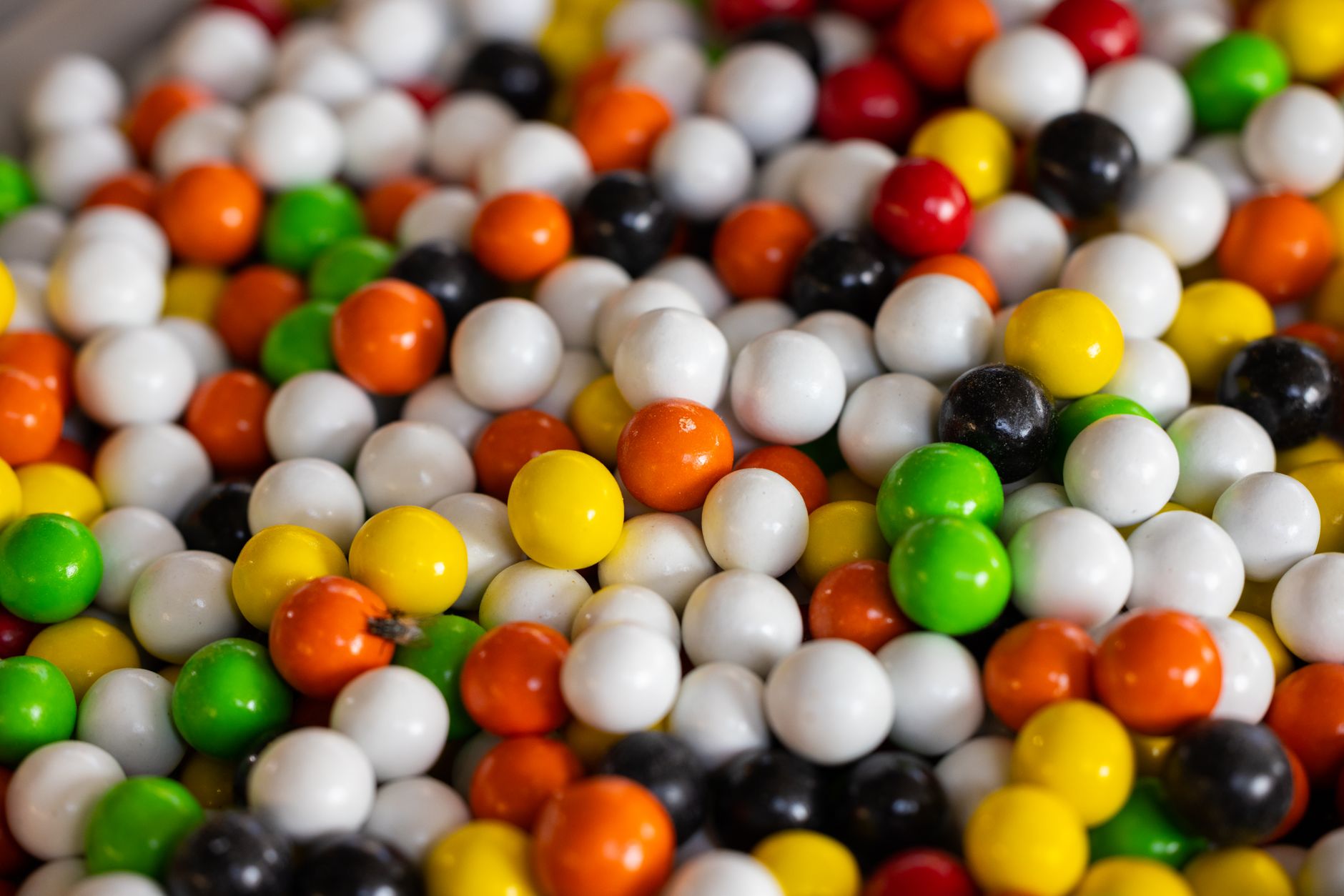
Hi Chews are a popular chewy candy originating from Japan, known for their diverse range of flavors and a unique texture that melts in the mouth. This delightful treat has gained a significant following globally due to its intense fruit flavors and chewy consistency.
Tracing back to their origins provides insight into the cultural significance of Hi Chews, as well as the family-run business responsible for their creation. Let’s delve deeper into the history, origins, and how Hi Chews became the beloved candy we know today.
Where Are Hi Chews From?
Hi Chews originated in Japan and were first created in 1975 by the Japanese confectionery company, Morinaga. This company has a reputation for innovative and high-quality sweets. While Hi Chews are a Japanese product, their popularity has spread worldwide, with large markets in Asia and increasingly in North America.
The Origins of Hi Chews
The story of Hi Chews begins with the vision of Morinaga, founded in 1899 by Taichiro Morinaga. The company initially focused on producing Western-style confections, and over the years, it broadened its offerings to include a range of candies, chocolates, and gummies.
In 1975, Morinaga introduced Hi Chew as a response to consumer demand for a chewy candy that offered a satisfying texture. The initial idea was inspired by traditional Japanese sweets, known as mochi, which also has a chewy consistency. However, Hi Chews adapted mochi’s base concepts, integrating various fruit flavors to produce a modern candy that resonates with a broader audience.
Hi Chews’ Unique Characteristics
One hallmark of Hi Chews is their chewy texture, which sets them apart from many other candies. They are designed to provide a long-lasting chew that is neither overly sticky nor tough. The texture is often compared to that of taffy, but Hi Chews are softer and melt more easily in the mouth.
The candy is made using a blend of corn starch, sugar, and artificial flavors, creating an intensely fruity experience. Hi Chews are available in various flavors, each replicating the taste of distinct fruits. Some popular flavors include strawberry, watermelon, grape, mango, and banana, allowing consumers to choose their favorites or sample a variety.
Hi Chews Around the World
After their launch in Japan, Hi Chews quickly captured the attention of candy enthusiasts. Recognizing the potential for international markets, Morinaga began exporting Hi Chews outside Japan. North America was one of the first significant markets they targeted, with Hi Chews making their first appearance there in the early 2000s.
Today, Hi Chews can be found in various retail settings, from local convenience stores to large supermarkets, reflecting their widespread acceptance. The candies have also become a staple in Asian markets outside Japan, including those in Europe and South America.
The Cultural Significance of Hi Chews
Hi Chews are more than just a tasty treat; they represent a cultural blending of traditional Japanese confectionery methods with modern tastes that appeal to global consumers. Since their introduction, Hi Chews have been linked to friendship and sharing, making them a common snack at social gatherings, festivals, and casual outings.
In Japan, it is customary for friends and family to share sweets, including Hi Chews, emphasizing community and togetherness. The candies often appear in Japanese gift baskets, especially during celebratory events such as birthdays, holidays, and graduations.
How Hi Chews Are Made
The production process of Hi Chews has evolved while still maintaining the original formula that ensures their distinctive chewiness and flavor. While proprietary processes protect the specifics, generally, the procedure involves several key stages.
- Mixing Ingredients: The foundation of Hi Chews consists of sugar, glucose syrup, hydrogenated starch hydrolysate, and fruit flavors. These ingredients are blended to create a homogeneous mixture.
- Heating: The mixture is heated to dissolve all ingredients fully and to create a smooth consistency. The temperature is closely monitored to achieve the right viscosity without burning the mixture.
- Cooling and Chewing: Once the heating process is complete, the mixture is cooled but remains pliable. Chewing agents are incorporated into the mixture during this stage to give Hi Chews their chewy texture.
- Shaping and Packaging: The cooled mixture is shaped into small, bite-sized pieces and wrapped. Packaging is done under sanitized conditions to ensure hygiene and maintain the candy’s quality.
Even with advancements in technology, Morinaga has remained true to its roots by preserving much of the traditional candy-making process, which contributes to the quality that fans cherish.
Flavors and Varieties of Hi Chews
One of the most appealing aspects of Hi Chews is the variety of flavors available. These flavors are designed to reflect popular fruits enjoyed both in Japan and internationally. Some of the classic and popular flavors include:
- Strawberry
- Grape
- Watermelon
- Mango
- Banana
- Pineapple
- Peach
- Green Apple
- Blue Raspberry
- Lychee
In recent years, Morinaga has also introduced limited-edition flavors and collaborations to keep the brand fresh and exciting. Seasonal flavors, like cherry blossom in spring or yuzu during winter, allow Hi Chews to remain relevant in pop culture while appealing to seasonal tastes.
Popular Hi Chew Products
Hi Chews come in different formats to appeal to varying preferences. Here are a few popular product lines:
- Original Hi Chews: The classic chewy candy that started it all, available in various fruits.
- Hi Chew Soft: A softer version designed for easier chewing, this variation appeals to those seeking a gentler texture.
- Hi Chew Bite: Each piece is smaller, making them perfect for on-the-go snacking.
- Hi Chew Mini: Tiny pieces that offer a quick burst of flavor.
Hi Chews in Culinary Uses
While many enjoy Hi Chews straight from the bag, they can also be utilized in creative culinary endeavors. Below are a few innovative usages:
- Baking: Crush Hi Chews and incorporate them into cookie or cake batter for a fruity flavor twist.
- Ice Cream Toppings: Use chopped Hi Chews to add a chewy texture to ice cream sundaes.
- Gummy Treats: Rehydrate Hi Chews with water and use them to create a fruit-flavored jelly or gummy candy.
- Drink Mix-ins: Blend Hi Chews into smoothies or milkshakes for an extra layer of flavor.
Where to Buy Hi Chews
The accessibility of Hi Chews has expanded over the years, and they can now be purchased in various places. Common retailers include:
- Asian grocery stores often have a wide selection of flavors.
- Large supermarket chains, where they may be found in the candy aisle.
- Online platforms like Amazon or specialty candy websites offering bulk purchasing options.
- Convenience stores or gas stations frequently stock popular varieties.
Common Questions About Hi Chews
Are Hi Chews Gluten-Free?
Yes, Hi Chews are gluten-free, making them suitable for those with gluten intolerance or celiac disease. However, always check individual packaging, as formulations can change.
Are Hi Chews Vegan?
While many Hi Chews do not contain animal-derived ingredients, some flavors may have components like gelatin that are not vegan. Checking labels for each flavor is advisable for strict dietary adherence.
What is the shelf life of Hi Chews?
Hi Chews typically have a shelf life of about a year. However, proper storage in a cool, dry place will help maintain their texture and flavor for an extended period.
Conclusion
Hi Chews have a rich history rooted in Japanese culture that has successfully transcended borders to delight candy lovers around the world. Their unique blend of chewy texture and vibrant flavors has made them a standout option in the sweets market. Whether enjoyed as-is, used in recipes, or shared among friends, Hi Chews are a testament to the joy that candy can bring.
For those interested in exploring more about diverse ingredients or food traditions, learn about what Chihuahua cheese is or what chard adds to a dish.