
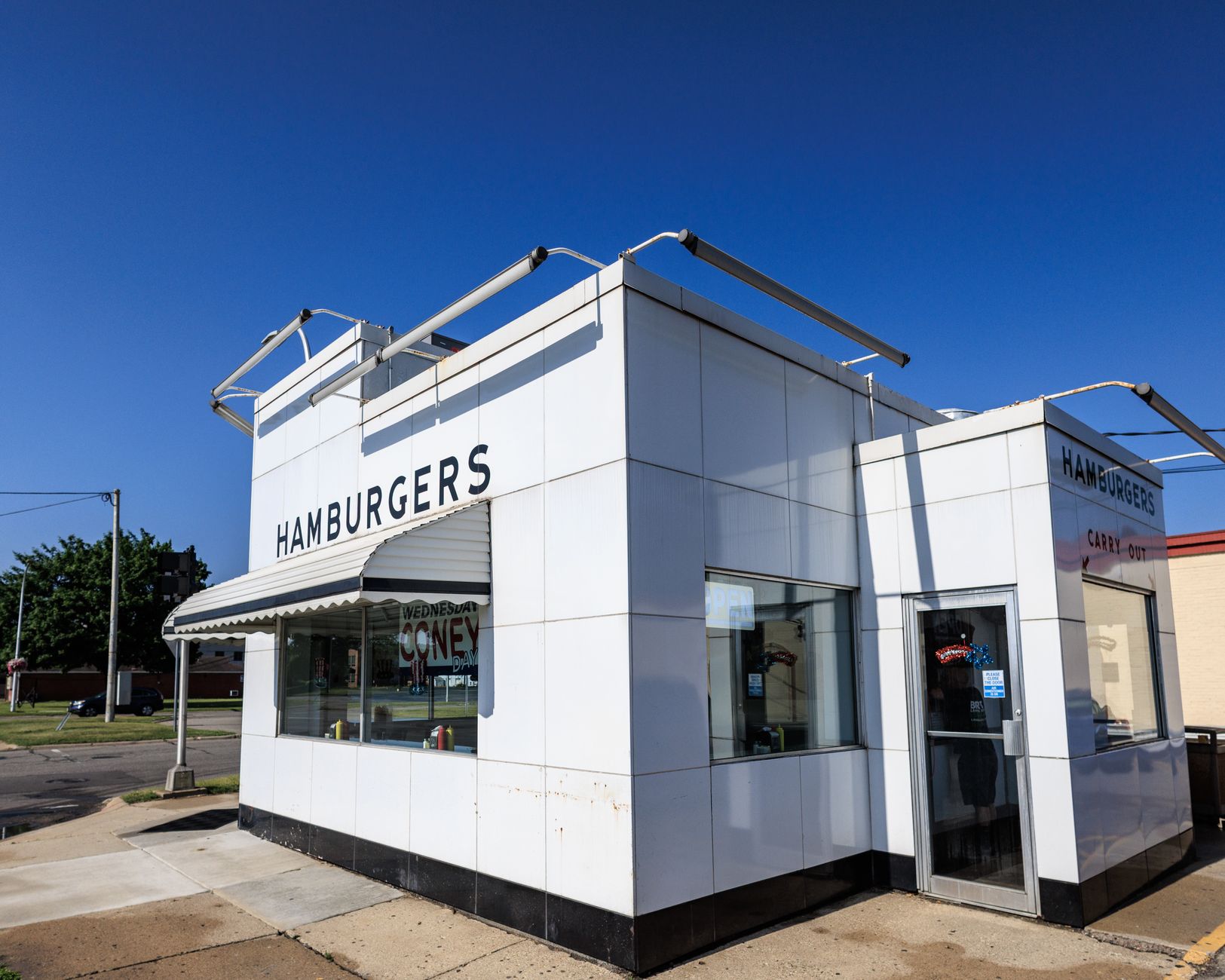
The hamburger is a classic American dish beloved by many, but its origins stretch far beyond the borders of the United States. Understanding where hamburgers come from not only enriches your appreciation for this versatile meal but also provides insight into its cultural significance. In this exploration, we will delve into the historical roots of the hamburger, the evolution of its ingredients, and its standing today as a global culinary icon.
From its humble beginnings in Europe to its soaring popularity around the globe, the hamburger has taken various forms and flavors. This article will cover the origins, major variations, and the cultural impacts that have shaped the hamburger into the dish we know and love today.
Where Are Hamburgers From?
The hamburger, specifically the beef patty version served between two buns, is widely credited to have originated in the United States. However, its roots can be traced back to the city of Hamburg, Germany, in the 19th century. The Hamburg steak was a ground beef dish well-known among European immigrants before it made its way to America.
The Early History of Hamburgers
In the mid-1800s, German immigrants brought their culinary traditions to America, including the Hamburg steak. This dish consisted of finely chopped or ground beef, often flavored with spices, onions, and other seasonings. It was typically served raw or lightly cooked, a style that is famously associated with steamed or broiled dishes in Hamburg.
The transformation into the modern hamburger took shape as the Hamburg steak began to be served as a sandwich. The first documented burger-like sandwich can be traced back to New Haven, Connecticut, in the late 1800s at Louis’ Lunch. Legend has it that the proprietor, Louis Lassen, created the sandwich when a customer requested a quick meal. He served a seasoned beef patty between two slices of bread.
The Rise of the Hamburger in America
The popularity of hamburgers surged during the early 20th century, particularly at county fairs and festivals. With the advent of the industrial revolution and the rise of fast-food culture, hamburgers became a staple in American dining.
In 1921, White Castle established the first fast-food hamburger chain in the U.S., making hamburgers more accessible to the average person. Soon after, McDonald’s, Burger King, and other major chains emerged, popularizing hamburgers as a fast and affordable meal option across the country.
Global Variations of Hamburgers
As hamburgers spread around the world, they adapted to regional tastes and cultural influences, resulting in an abundance of variations. Here are some notable international interpretations of the hamburger:
- Australian Hamburger: Often topped with beetroot, pineapple, and fried eggs, giving it a unique flavor profile.
- Japanese Hambagu: This variation features a thicker, pan-fried patty served without a bun and often accompanied by rice and a savory sauce.
- Brazilian X-Tudo: A towering burger that may include bacon, cheese, fried eggs, and a variety of sauces.
- Indian Veggie Burger: Incorporates local spices and flavors, often using a patty made from chickpeas, potatoes, or lentils.
- British Beef Burger: Commonly served with caramelized onions and cheddar cheese, with ketchup and mayonnaise as the common condiments.
Ingredients: The Heart of the Hamburger
The core components of a classic hamburger are relatively simple, but quality ingredients can greatly enhance flavor and texture. Here’s a breakdown of essential ingredients:
- Ground Beef: The patty is usually made with ground beef, ideally with some fat content (around 15-20%) for added flavor and juiciness.
- Buns: The bun serves as the foundation, with options including sesame seed, brioche, whole wheat, and gluten-free varieties.
- Condiments: Ketchup, mustard, mayonnaise, and relish can all add moisture and flavor.
- Vegetables: Lettuce, tomato, onion, and pickles provide crunch, freshness, and flavor.
- Cheese: American cheese, cheddar, and Swiss are popular options for topping the patty.
How to Make a Classic Hamburger
Making a classic hamburger at home is simple and allows you to customize flavors and ingredients. Here’s a straightforward guide to crafting your burger masterpiece.
Yield: 4 hamburgers
Preparation Time: 15 minutes
Cooking Time: 10 minutes
Total Time: 25 minutes
Ingredients
- 1 pound ground beef (80/20 fat ratio recommended)
- 4 burger buns (your choice)
- Salt and pepper, to taste
- 4 slices American cheese (optional)
- Lettuce, sliced tomato, sliced onion, and pickles for toppings
- Condiments of choice (ketchup, mustard, mayonnaise)
Essential Equipment
- Grill or stovetop skillet
- Spatula
- Meat thermometer (optional for checking doneness)
- Plates for assembling
Step-by-Step Method
- Prepare the Patties: Divide the ground beef into four equal portions. Gently form each portion into a patty, about ¾ inch thick. Avoid overworking the meat to maintain tenderness. Season each patty with salt and pepper on both sides.
- Preheat the Grill or Skillet: Heat your grill or skillet over medium-high heat. If using a skillet, add a small amount of oil to prevent sticking.
- Cook the Patties: Place the patties on the hot grill/skillet. Cook for 3-4 minutes on one side until a sear forms. Flip the patties and cook for an additional 3 minutes for medium doneness. Adjust timing based on desired doneness.
- Add Cheese: If using cheese, place a slice on each patty during the last minute of cooking. Close the grill lid or cover with a pot lid to melt the cheese.
- Toast the Buns (Optional): Cut the buns in half and place them on the grill or skillet for about 1-2 minutes until golden brown.
- Assemble the Burgers: Start with the bottom bun, add lettuce, the cooked patty, tomato, onion, and pickles. Squirt condiments on the top bun, and place it on top of the burger. Serve hot.
Variations and Substitutions
There are countless ways to customize hamburgers to cater to different tastes or dietary preferences. Here are some suggestions:
- Meat Alternatives: Use ground turkey, chicken, or plant-based patties such as black bean, quinoa, or Beyond Meat for different flavor profiles.
- Seasoning: Experiment with additional spices or marinades, such as garlic powder, onion powder, or Worcestershire sauce, mixed into the beef before forming patties.
- Unique Toppings: Top your burger with avocado, jalapeños, fried onions, or specialty sauces like sriracha mayo or aioli for a twist.
- Bun Options: Replace traditional buns with lettuce wraps, portobello mushrooms, or whole grain alternatives for various textures and flavors.
Common Mistakes and How to Avoid Them
While making hamburgers may seem easy, there are several common pitfalls that can negatively impact your end result:
- Overworking the Meat: Avoid packing the patties too tightly. This can lead to a tough and dense texture.
- Not Using Enough Fat: Cooking with lean meat might result in dry burgers. Aim for an 80/20 ratio of beef for optimal juiciness.
- Pressing the Patties: Do not press down on the patties while cooking; this will squeeze out the juices and lead to dry burgers.
- Skipping Preheating: Ensure your grill or skillet is hot before adding patties to secure a good sear and flavor.
Serving Suggestions
Hamburgers are highly versatile, making them great for various occasions. Consider pairing your burgers with:
- Classic French fries or sweet potato fries for a traditional side.
- Coleslaw or a green salad for a refreshing contrast.
- Onion rings for a crunchy complement.
- Milkshakes or craft beers for a fun beverage pairing.
Can You Prepare Hamburgers in Advance?
Yes, preparing hamburgers ahead of time is not only possible but practical, especially for meal prepping or outdoor gatherings. Here are some tips for meal prep:
- Form patties in advance: Season and form your patties, then place them on a baking sheet. Cover them and refrigerate until ready to cook.
- Freeze for later use: Patties can be frozen for up to three months. Place parchment paper between layers to prevent sticking.
- Pre-cook and store: Cook patties in advance and store them in an airtight container in the refrigerator. Reheat on the grill or skillet when it’s time to serve.
Storage and Reheating Guidelines
To maintain the quality of your hamburgers when storing leftovers:
- Store cooked patties in an airtight container in the refrigerator for up to three days.
- For longer storage, freeze patties in a single layer. Once frozen, transfer them to a freezer-safe bag.
- When reheating, use a skillet or grill to retain moisture. Add a splash of water to the pan and cover to steam for better results.
Hamburgers represent a fusion of culinary traditions, adapting and evolving over time while still retaining their hearty, comforting appeal. From humble beginnings in Hamburg to being a staple of American cuisine, the hamburger is a delightful dish that caters to countless preferences and occasions. Whether enjoyed at a backyard barbecue or as a quick weekday meal, there’s something undeniably satisfying about a well-made burger. Excited to try another variation? Check out our Crack Burger Recipe or explore our Hamburger Steak Recipe for more inspiration!