
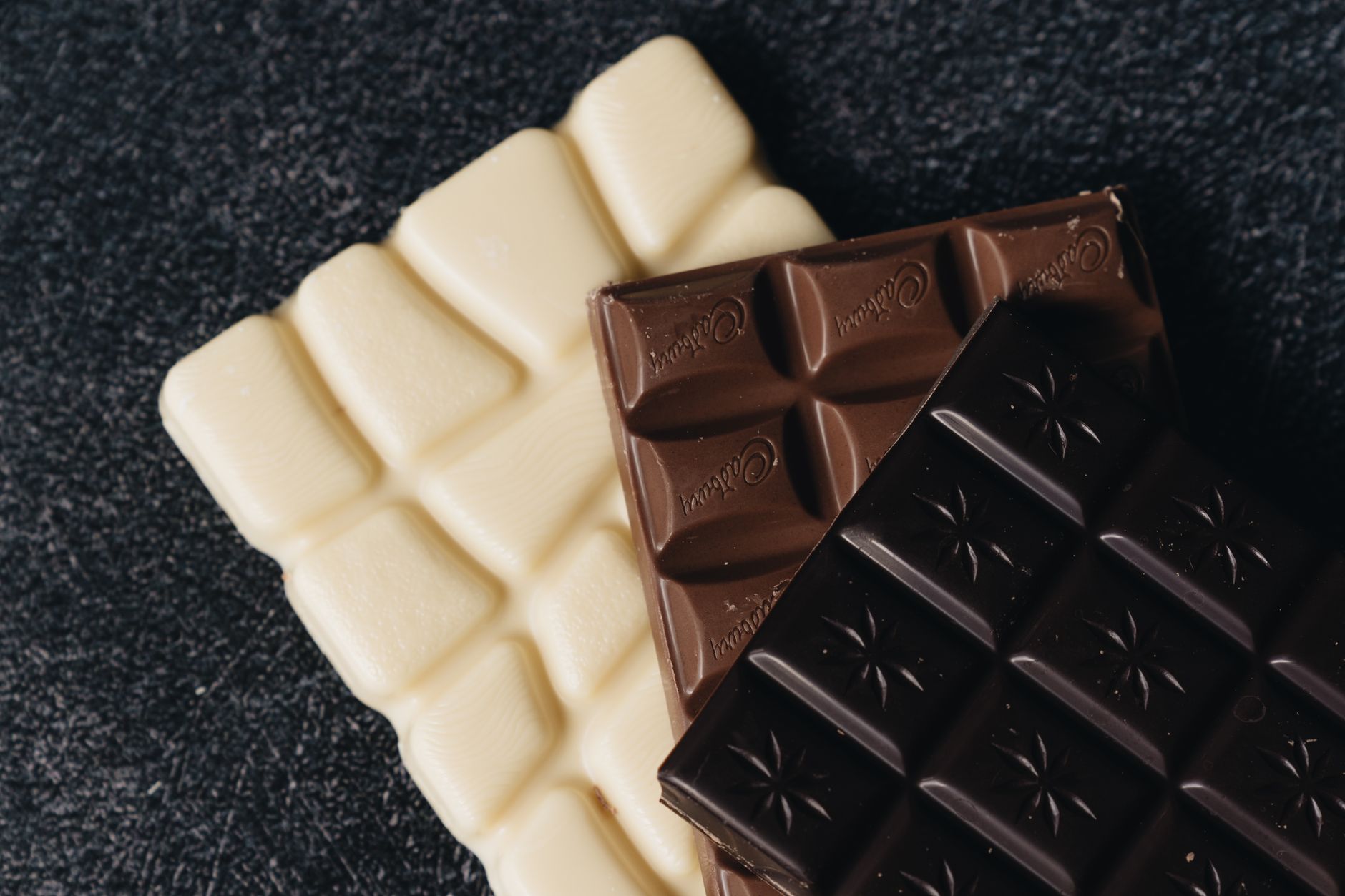
White chocolate, a sweet and creamy confection, often graces desserts and snacks. Unlike traditional chocolate, white chocolate doesn’t contain cocoa solids, leading to intriguing flavor implications and uses in the culinary world. Understanding its origins and evolution can deepen appreciation for this unique treat.
In this article, we delve into the history of white chocolate—when it was invented, how it differs from other types of chocolate, and its role in contemporary cooking and baking.
When Was White Chocolate Invented?
White chocolate was invented in the early 1930s. It emerged primarily as a byproduct of the chocolate industry, gaining popularity as a distinct confection in the decades that followed. Initially crafted from cocoa butter, sugar, and milk solids, it sparked curiosity and debate about its classification within the chocolate family.
The Origins of White Chocolate
The roots of white chocolate can be traced back to Switzerland, a region renowned for its chocolate-making tradition. Nestlé played a pivotal role in its development, launching a product called “Galak” in 1930, which was among the first commercial white chocolate bars.
White chocolate’s invention coincided with the growing popularity of milk chocolate, which had already established itself as a favorite for consumers. The combination of cocoa butter and milk solids gave white chocolate a smooth, creamy texture and a sweet flavor profile, attracting those who enjoyed the milder side of chocolate.
Composition of White Chocolate
White chocolate differs significantly from dark and milk chocolate. Understanding its unique ingredients clarifies why some argue it isn’t “real” chocolate.
- Cocoa Butter: The primary fat component, cocoa butter is derived from cocoa beans and gives white chocolate its characteristic melt-in-your-mouth texture.
- Milk Solids: These contribute to the creaminess and flavor, making white chocolate sweet and smooth.
- Sugar: Used to enhance sweetness, sugar balances the rich flavors of cocoa butter and milk solids.
- Emulsifiers: Ingredients like lecithin may be added to improve texture and prevent separation.
Distinct Features of White Chocolate
While white chocolate may lack the cocoa solids found in dark and milk chocolate, it possesses unique features. Its flavor profile is characterized by creaminess and sweetness, making it an excellent ingredient for various culinary applications.
Flavor and Texture
White chocolate has a mild, sweet flavor that lacks the bitterness associated with dark chocolate. Its creamy texture makes it suitable for melting and using in sauces, candies, and desserts.
Culinary Applications
White chocolate’s versatility can be seen in a range of dishes:
- Desserts: White chocolate pairs well with fruits and cream, making it a popular choice for cakes, cookies, and mousses.
- Baking: It can be added to baked goods for added sweetness and texture, complementing other ingredients.
White Chocolate in Modern Cuisine
Today, white chocolate has carved its niche in desserts and gourmet dishes. It is embraced for its ability to blend with flavors ranging from fruit to spices and herbs. Chefs often experiment with white chocolate in both classic and modern recipes.
Popular Recipes Using White Chocolate
Here are a few ways white chocolate can be used in everyday cooking and baking:
White Chocolate Raspberry Cheesecake
This indulgent dessert combines creamy white chocolate with tart raspberries, resulting in a beautifully layered cheesecake. The contrasting flavors ensure a delightful experience.
White Chocolate Macadamia Nut Cookies
A twist on the classic chocolate chip cookie, this recipe uses white chocolate chips and crunchy macadamia nuts, creating a sweet and rich flavor.
White Chocolate Ganache
A luxurious topping for cakes and pastries, white chocolate ganache can be drizzled or poured for a glossy finish. It’s made by heating cream and pouring it over chopped white chocolate.
Ingredient Substitutions and Alternatives
If you find yourself in need of alternatives to white chocolate, there are several options depending on your dietary preferences and recipe requirements.
- Carob Chips: A caffeine-free alternative, carob can mimic the sweetness of white chocolate, though it carries a distinct flavor.
- Vanilla Baking Chips: These can be substituted for white chocolate in recipes, although they may not provide the same rich texture.
- Dairy-Free Options: Vegan white chocolate can be found made from cocoa butter mixed with plant-based sweeteners and milk replacements.
Common Mistakes When Using White Chocolate
While cooking and baking with white chocolate can be enjoyable, certain errors are common. Here are tips to avoid these pitfalls:
- Overheating: White chocolate is sensitive to heat. Melting it slowly over low temperature or using a double boiler can prevent burning.
- Substitution Issues: When replacing white chocolate, consider differences in sweetness and fat content. Adjust other ingredients accordingly.
- Pairing Flavors: White chocolate’s sweet and creamy characteristics may require mindful pairing with other ingredients. Balance sweetness with tart or spicy components.
White Chocolate Storage and Handling
Proper storage ensures the best quality and flavor in white chocolate. Here are some guidelines:
- Cool, Dry Place: Store white chocolate in a cool, dry place away from direct sunlight, ideally at room temperature.
- Seal Properly: Keep it in an airtight container to prevent exposure to moisture and foreign odors.
- Check Expiration Dates: Like all chocolates, white chocolate has a shelf life—check packaging for an expiration date and consume accordingly.
Concluding Thoughts on White Chocolate
White chocolate’s fascinating history and unique characteristics make it a valuable ingredient in various culinary contexts. While it may spark debate regarding its classification within the chocolate family, its creamy sweetness has earned its rightful place in the hearts of many dessert lovers.
White chocolate invites experimentation in the kitchen, holding potential in countless recipes, from rich cheesecakes to simple molten desserts. As you incorporate white chocolate in your culinary endeavors, consider the history behind it and enjoy the wide range of flavors it can complement.
Explore more ideas about delicious meals and versatile ingredients, or dive deeper into your next culinary project with our collection of recipes and cooking tips.