
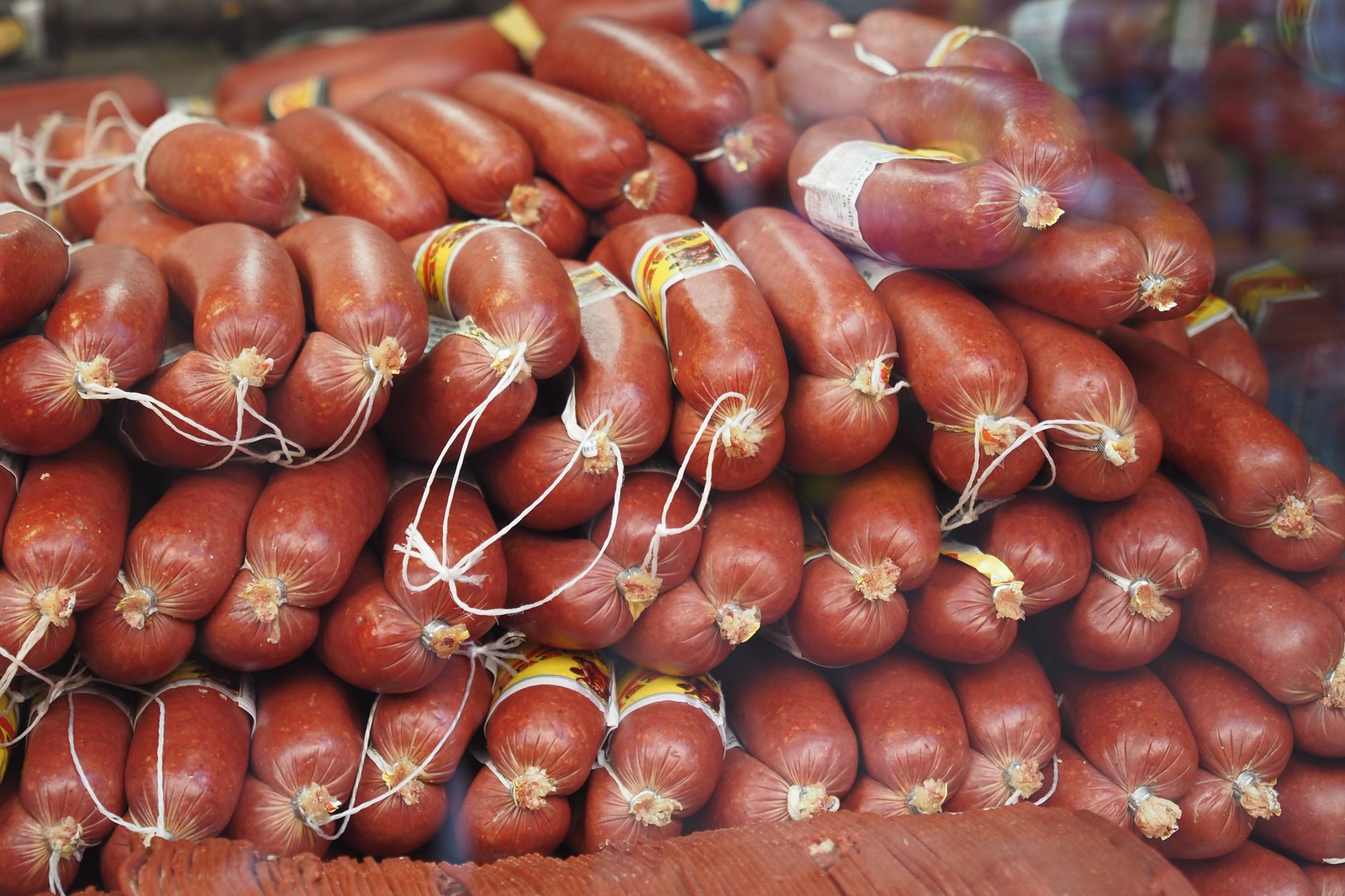
Bologna, a beloved processed meat known for its smooth texture and savory flavor, has a rich history that dates back several centuries. Originating from the Italian city of Bologna, its creation reflects a deep-rooted tradition of charcuterie that is still celebrated today.
This article delves into the origins of bologna, its evolution over the years, and what makes it a popular choice in the culinary world. Join us as we uncover the history, preparation methods, and variations of this iconic sausage.
When Was Bologna Invented?
Bologna was invented in the 15th century in Bologna, Italy. It was initially known as “mortadella,” named after the fatty pork used in its preparation. The sausage continued to evolve, gaining popularity throughout Europe and eventually becoming a staple in American cuisine by the 20th century.
The Origins of Bologna
The earliest known references to bologna, or mortadella, date back to the Roman Empire. Ancient Romans made a similar sausage using ground meat combined with spices and peppercorns. However, the distinct form of mortadella that closely resembles what we recognize today began to take shape around the 15th century.
The city of Bologna was particularly famous for its rich culinary heritage. The introduction of spices, particularly black pepper and myrtle berries, helped flavor the meat and set mortadella apart from other sausages of the time. The addition of lard also contributed to its unique texture.
How Bologna Evolved
As bologna spread through Italy and beyond, different regions started to develop their interpretations of the sausage. In the northern regions, especially around Bologna itself, the sausage was refined further, using high-quality pork and often added pistachios or black pepper for flavor.
By the late 19th century, Italian immigrants moved to the United States and brought with them their family recipes, which marked the arrival of bologna in American cuisine. Over time, bologna became adapted to local tastes, resulting in varieties that were simpler and often had a smoother texture than their Italian counterparts.
Modern Bologna: Ingredients and Variations
Today’s bologna can be found in several varieties, reflecting differing ingredients and preparation methods. While traditional bologna is made primarily from pork, modern versions can include a combination of meats such as beef, turkey, and chicken. This flexibility allows consumers to choose options that fit their dietary preferences.
Common Ingredients in Bologna
- Pork: Often the primary meat used in original Italian mortadella.
- Beef: Commonly used in American bologna.
- Turkey or Chicken: Leaner alternatives available in many stores.
- Spices: Includes salt, pepper, garlic, and sometimes nutmeg or coriander.
- Nitrites: Commonly added for preservation and color.
Popular Variations of Bologna
- Loaf Bologna: A traditional variety that is sliced into rounds.
- Garlic Bologna: Contains additional garlic for added flavor.
- Beef Bologna: Made primarily from beef, leaner than traditional versions.
- Turkey Bologna: A lighter option popular among health-conscious consumers.
- Mortadella: The Italian original often containing cubes of pork fat and pistachios.
Culinary Uses of Bologna
Bologna is immensely versatile in the kitchen. It can be used in various dishes, ranging from simple sandwiches to more elaborate meals. Here are some popular culinary applications:
Sandwiches
Bologna sandwiches are a classic choice, often served on white sandwich bread with condiments like mustard or mayonnaise. Adding cheese, lettuce, and tomato can elevate this simple meal.
Breakfast Dishes
Fried bologna served with eggs is a popular breakfast option. The bologna develops a crispy edge while remaining soft inside, providing delightful texture contrast.
Salads
Diced bologna can be incorporated into pasta or potato salads, adding flavor and protein. It pairs well with tangy dressings, balancing out richer ingredients.
Snack Board
Bologna slices can serve as part of a charcuterie board, alongside cheeses, crackers, and pickles, making for an easy and satisfying appetizer.
Practical Cooking Techniques for Bologna
Though bologna is often enjoyed cold or sliced, there are additional cooking techniques to enhance its flavor:
Frying
- Heat a skillet over medium heat.
- Add slices of bologna to the dry pan. Cook until browned on one side (approximately 2-3 minutes).
- Flip and cook for another 2-3 minutes until crispy and warmed through.
Grilling
- Preheat the grill to medium heat.
- Place bologna slices on the grill and cook for about 2-3 minutes on each side, until grill marks appear.
- Remove and enjoy on a sandwich or as a side dish!
Common Mistakes and Troubleshooting
While cooking bologna might seem straightforward, here are a few common mistakes to avoid:
- Not preheating the pan or grill: Ensure your cooking surface is hot enough for even cooking.
- Overcooking: Bologna can become tough if cooked too long; aim for a warm, crispy exterior without burning.
- Using too much oil: Because bologna releases fat when cooked, use a minimal amount of oil to avoid greasiness.
Storage and Reheating of Bologna
Proper storage and reheating can extend the life of bologna and maintain its quality. Here’s how:
Storage
- Unopened Bologna: Store in the refrigerator for up to two weeks before the sell-by date.
- Opened Bologna: Keep wrapped tightly in plastic wrap or aluminum foil for up to five days.
- Frozen Bologna: Can be frozen for up to two months. Thaw in the refrigerator before reheating.
Reheating
- Microwave: Place bologna on a microwave-safe plate and cover. Heat on medium for about 30 seconds.
- Skillet: Warm slices in a skillet over low heat for 2-3 minutes until heated through.
Cultural Significance of Bologna
Bologna holds a special place in various cultures. In the United States, its presence is felt in lunchboxes and deli counters across the country. Particularly in the Midwest, bologna has been transformed into beloved regional dishes.
Moreover, Italian mortadella is a protected designation of origin (PDO) product, meaning that it must be produced in a specific manner and region to bear the name. This reinforces the cultural significance and pride associated with traditional Italian culinary practices.
Conclusion
Understanding the history of bologna not only enriches our appreciation of this versatile meat product but also connects us to a broader culinary tradition. From its roots in Bologna, Italy, to its evolution in America, bologna has secured its place in kitchens and lunchboxes around the world.
If you’re interested in experimenting with bologna recipes or learning more about this fascinating food, consider exploring recipes like smoked bologna and understanding what bologna is made of.