
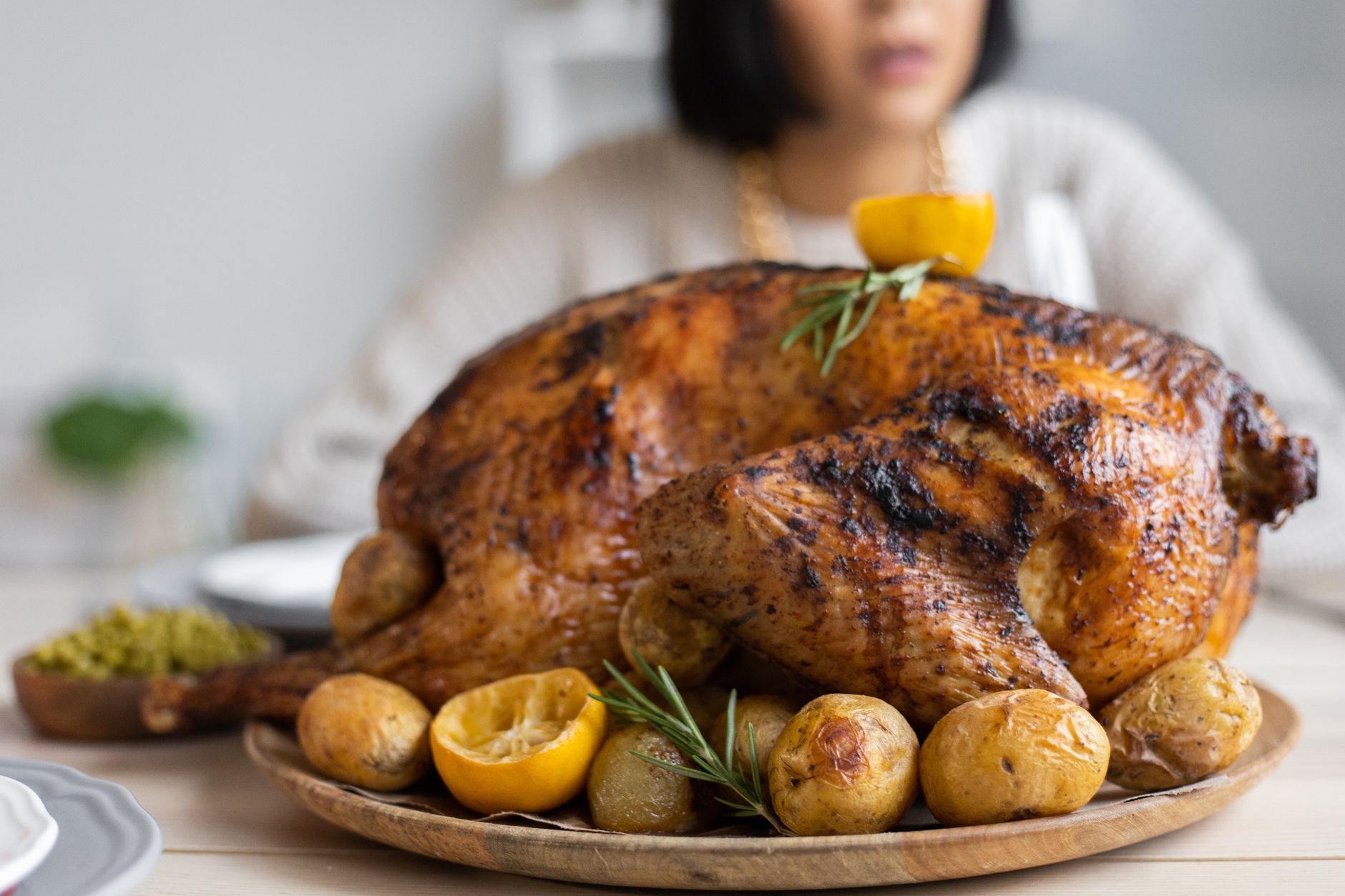
Determining when to pull a turkey out of the oven is a crucial step in achieving a perfectly cooked bird. Many home cooks find themselves unsure about the right time, leading to undercooked or overcooked results. This article will guide you through the essential aspects of knowing when your turkey is ready to be served, as well as practical tips for cooking and serving.
Understanding cooking times, using a meat thermometer, and being aware of the resting periods are all vital for a delicious turkey. We will cover these aspects in detail, ensuring your holiday meals turn out as delicious as possible.
When to Pull Turkey Out of Oven?
The best time to pull turkey out of the oven is when the internal temperature of the thickest part of the thigh reaches 165°F (74°C). This temperature ensures that the turkey is safe to eat while still retaining moisture and flavor.
Importance of Using a Meat Thermometer
Using a meat thermometer is the most reliable method for testing the doneness of the turkey. Relying solely on cooking time can lead to inconsistencies due to variations in oven temperatures and turkey sizes. Here’s why a meat thermometer is essential:
- Accuracy: A good digital meat thermometer can give you an accurate reading in seconds, ensuring your turkey is perfectly cooked.
- Safety: The USDA recommends pulling poultry out of the oven when it reaches an internal temperature of 165°F (74°C) to ensure harmful bacteria are killed.
- Moisture retention: Pulling the turkey out at the right temperature helps keep it juicy, preventing it from drying out in the oven.
Recommended Tools for Turkey Cooking
Before delving further into cooking and serving tips, let’s look at some essential tools you should have on hand:
- Meat thermometer
- Roasting pan
- Basting brush
- Tongs
- Carving knife
- Aluminum foil
- Meat carving board
Cooking Times for Turkey
Cooking times vary depending on the turkey’s size. A general guideline is:
- 8 to 12 pounds: 2 ¾ to 3 hours
- 12 to 14 pounds: 3 to 3 ¾ hours
- 14 to 18 pounds: 3 ¾ to 4 ¼ hours
- 18 to 20 pounds: 4 ¼ to 4 ½ hours
- 20 to 24 pounds: 4 ½ to 5 hours
These times are based on roasting the turkey at 325°F (163°C) in an unstuffed turkey. For a stuffed turkey, add 15 to 30 minutes to the total cooking time.
Factors Affecting Cooking Time
Several factors can influence cooking times, including:
- Oven temperature: Ensure your oven is calibrated correctly, as even a few degrees can alter cooking times.
- Turkey size: Larger turkeys will take longer to cook, while smaller ones will cook much faster.
- Stuffing: If you choose to stuff your turkey, this will increase cooking times due to the density of the stuffing.
- Resting time: Allowing your turkey to rest post-cooking affects the final temperature and juiciness.
Visual Cues for Doneness
While using a meat thermometer is the most reliable method, visual cues can also help determine when the turkey is done. Some signs include:
- The juices run clear when the turkey is pierced in the thigh, not pink.
- The drumstick should move easily when twisted by hand.
- The skin should be a golden brown color, indicating that it is cooked through.
Resting the Turkey
After pulling your turkey out of the oven, it’s vital to let it rest for at least 20 to 30 minutes before carving. Here’s why resting is essential:
- Juice redistribution: Resting allows the juices to redistribute evenly throughout the meat, leading to a more flavorful and moist turkey.
- Easy carving: A turkey that has rested will be easier to carve, making the process smoother.
- Even cooking: The temperature may rise a few degrees while resting, ensuring the turkey reaches the ideal temperature.
How to Carve Your Turkey
Now that you’ve mastered when to pull the turkey out, let’s focus on carving. Follow these steps for smooth and elegant carving:
- Let the turkey rest on a carving board, breast side up.
- Use a sharp carving knife to remove the legs first. Cut through the skin around the drumstick, then twist and pull to separate it from the body.
- Next, cut the wings off by finding the joint connecting them to the body and severing it.
- Carve from the breastbone down, slicing even portions of meat. Ensure your knife moves against the grain, resulting in tender slices.
- Gather your carved pieces on a warm platter and cover with aluminum foil to keep warm while serving.
Common Mistakes to Avoid
A few common mistakes can affect your turkey’s quality. Here are tips on what to avoid:
- Avoid opening the oven door frequently, as this causes temperature fluctuations.
- Do not rely on colors or texture alone. Always check with a meat thermometer.
- Skipping the resting period can dry out the turkey. Always give it time to rest.
Serving Suggestions
When it comes to serving your turkey, presentation and accompaniments are key. Consider these tips:
- Garnish with fresh herbs like rosemary, thyme, or parsley for added color and flavor.
- Serve with classic sides like stuffing, green bean casserole, mashed potatoes, and cranberry sauce.
- Provide various gravies or sauces for guests to choose from.
Storage and Reheating Guidance
If you have leftovers (which is often the case), proper storage is essential:
- Store leftover turkey in an airtight container in the refrigerator for up to four days.
- For longer storage, freeze turkey pieces wrapped in heavy-duty aluminum foil or freezer bags for up to six months.
- When reheating, ensure that the internal temperature reaches at least 165°F (74°C) to ensure safety.
Variations and Flavor Enhancements
Enhancing the flavor of your turkey can also make a difference:
- Brining: Consider brining your turkey for greater flavor and moisture.
- Injection: Use a turkey injection marinade before cooking to infuse flavor deep into the meat. Try a simple injection recipe for enhanced results.
- Herbs and spices: Rub the skin with herbs and spices prior to roasting for an aromatic touch.
Conclusion
Knowing when to pull your turkey out of the oven is essential to achieving a succulent and tasty meal. By using a meat thermometer and following the tips discussed, you can ensure a perfectly cooked turkey every time. Enjoy your meal and delight your guests!
For more cooking guidance, consider checking out how long to cook turkey per pound or explore a turkey injection recipe to enhance flavor!