
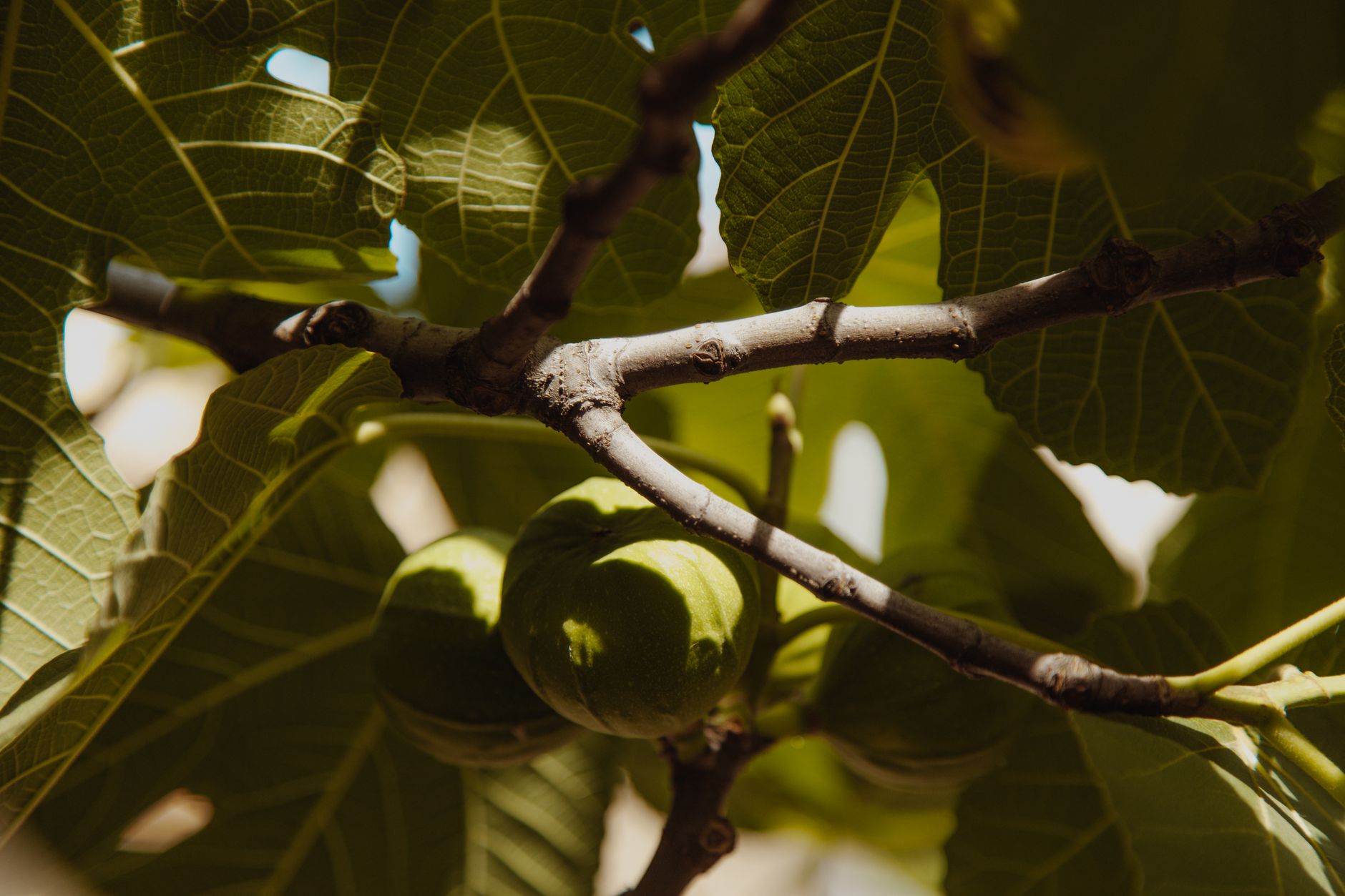
Figs are a delightful fruit known for their unique sweetness and chewy texture. Cultivating figs can be rewarding, but knowing when to harvest them is crucial for optimal flavor and quality. This guide will help you determine the right time to pick figs for the best taste, along with essential tips on buying and storing them.
Whether you grow your own figs or buy them from a market, understanding their harvest time will enhance your culinary creations. Let’s explore the details of when to harvest figs, how to select the best ones, and ways to store them to maintain freshness.
When to Harvest Figs?
Figs should generally be harvested when they are fully ripe, usually during late summer to early fall, depending on the variety and climate. Look for signs of ripeness such as a slight softness, a deep color, and an overall plump appearance.
Understanding Fig Varieties and Their Harvesting Times
Different fig varieties have specific harvesting times and characteristics. The most common types include:
- Black Mission: Harvest from late summer to early fall. They have a dark purple to black exterior and sweet flesh.
- Brown Turkey: Ready for harvest in late summer to early fall, they are brownish-purple with a sweet taste.
- Kadota: These greenish-yellow figs ripen until late summer and are known for their mild sweetness.
- Calimyrna: Best harvested in late summer, they have a unique flavor profile that develops richer sweetness when fully ripe.
- Smyrna: Harvest in late summer through early fall. Their exterior is green, and they mature to a sweet flavor.
Factors Influencing Fig Ripeness
When determining the perfect moment to harvest figs, consider the following factors:
Climate and Weather
The growing climate can significantly influence fig ripening. Warmer regions may see figs ripen earlier than those in cooler climates. Additionally, excessive rain or humidity can lead to fruit splitting, so monitor your figs closely.
Sunlight Exposure
Figs thrive in full sun. Adequate sunlight helps in developing their sweetness and enhances the overall ripening process. If your tree is shaded, it may delay ripening.
Care and Maintenance
Proper care, including watering and pruning, can affect fig ripeness. Ensure the tree is well-hydrated but not overwatered, as this can lead to poor fruit development.
Signs Your Figs Are Ready for Harvest
Knowing how to identify ripe figs is essential. Look for these specific signs:
- Color: Varies by variety but generally includes deep hues such as purple, brown, or yellow.
- Texture: Firm but yields slightly to gentle pressure, indicating ripeness.
- Size: Figs should appear plump and full, indicating that they have developed their sugars.
- Aroma: A sweet, fragrant scent often precedes ripeness. If you catch a whiff of sweetness, your figs may be ready.
- Stem Condition: Fresh figs have a slight droop at the stem end, indicating maturity.
How to Harvest Figs
Proper harvesting techniques ensure that figs remain intact and flavorful. Follow these steps:
- Gather Tools: Have a pair of garden snips or scissors ready. Avoid pulling figs off the tree to prevent damage.
- Softness Test: Gently squeeze the fig; if it yields a bit, it’s likely ripe.
- Inspect the Color: Make a visual check for the desired color based on the variety.
- Cut, Don’t Pull: Cut the stem with scissors without damaging the fruit.
- Harvest in the Morning: This is when figs are freshest, and cooler temperatures reduce damage.
Refrigerating Figs After Harvest
Figs are perishable and should be handled carefully after harvest. Here’s how to store them:
Basic Storage Tips
- Store unwashed figs in a paper or cloth bag in the refrigerator.
- Avoid storing them in a closed container to prevent moisture buildup.
- Consume fresh figs within three to five days for the best flavor.
Freezing Figs
If you have an abundance of figs and cannot use them immediately, freezing is an option:
- Wash and dry the figs gently.
- Slice larger figs in half to promote even freezing.
- Place them on a baking sheet and freeze until solid.
- Transfer the frozen figs to a resealable freezer bag, removing as much air as possible.
- Label and date the bag, and they can be stored for up to six months.
Buying Figs: What to Look For
If you’re purchasing figs rather than harvesting them, selecting high-quality fruit is paramount. Here’s what to consider:
Visual Inspection
- Look for figs that are plump and firm with no signs of discoloration or bruising.
- Avoid figs with cracks or holes, as they may indicate overripeness or insect damage.
Smell and Aroma
Fresh figs should emit a sweet, fruity aroma, which is a good sign of ripeness. If they lack scent, they may not have matured fully.
Buying in Season
Purchase figs during their peak season, which varies by region. In general, the best time to buy is late summer to early fall when figs are abundant.
Culinary Uses for Fresh Figs
Fresh figs can be used in various delicious ways. Experiment with these ideas:
- Salads: Add figs to mixed greens for a sweet touch, paired beautifully with goat cheese and nuts.
- Cheese Pairings: Figs complement creamy cheeses like brie or blue cheese. Serve them as part of a cheese platter.
- Baking: Incorporate figs into baked goods, such as bread, muffins, and cakes.
- Spreads: Cook figs down into jams or spreads to serve with crackers or toast.
- Savory Dishes: Use figs in savory meals, pairing them with meats like pork or chicken for a sweet and savory balance.
Common Mistakes When Harvesting Figs
Mistakes can happen, especially for first-time fig growers. Here are some common pitfalls to avoid:
Harvesting Too Early
Picking figs before they are fully ripe results in less sweetness and flavor. Wait for clear signs of ripeness.
Overripe Figs
Allowing figs to become overripe can lead to spoilage. Regularly check your figs and pick them once ripe.
Improper Handling
Rough handling can bruise figs, leading to rapid spoilage. Be gentle when you handle them, and avoid stacking them in heavy containers.
Growing Figs: Tips for Success
If you’re interested in growing your own figs, here are some essential tips:
Choose the Right Location
Figs thrive in full sun and prefer well-draining soil. Planting figs in a sunny spot can boost ripening and yield.
Watering and Nutrition
Water regularly during dry spells but avoid waterlogging, as figs like well-drained conditions. Fertilize lightly, as figs thrive in nutrient-poor soil.
Pruning
Prune figs each year to maintain shape and encourage new fruiting wood, improving the quality and quantity of your harvest.
Pest Management
Watch for common pests such as fig beetles or wasps. Use organic pesticides as needed, or encourage beneficial insects that feed on pests.
Additional Ways to Use Figs
Beyond fresh consumption, figs are versatile in cooking. Here are some ideas:
- Dried Figs: Use dehydrated figs in cereals, trail mixes, or simply as snacks. Dried figs retain most nutrients and are an excellent source of energy.
- Fig Syrup: Make a syrup for pancakes or drizzling over desserts by cooking figs with sugar and water until thickened.
- Fig Chutney: Create a savory chutney with spices that pair excellently with cheeses or roasted meats.
Summary
Knowing when to harvest figs is crucial for enhancing their flavor, making your culinary endeavors rewarding. Look for ripe figs in late summer to early fall, considering their variety while ensuring proper harvesting techniques. If buying, focus on visual and aromatic cues to select the best figs.
Explore your creativity in the kitchen with fresh figs, incorporating them into both sweet and savory dishes. For those who want to delve deeper into delightful fig recipes, check out our Fig Newton recipe, which beautifully showcases the rich flavors of this unique fruit.