
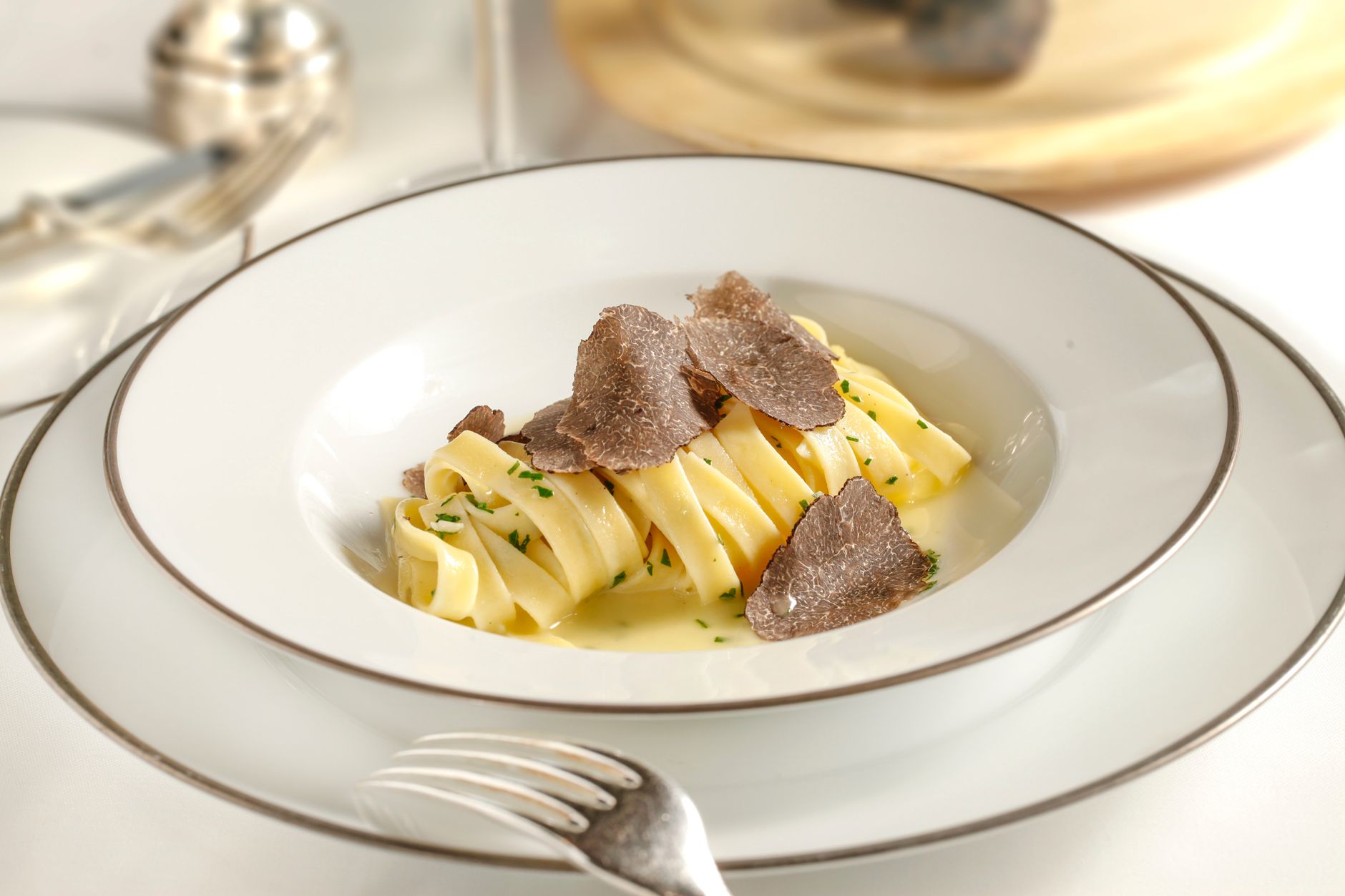
Truffles are one of the most luxurious and sought-after ingredients in the culinary world, prized for their unique aroma and rich flavor. Understanding when truffle season occurs is crucial for chefs and home cooks alike, as this will help you source fresh truffles at their peak flavor.
This guide will provide you with insights into truffle season, tips for buying and storing these exquisite fungi, and the different varieties you might encounter throughout the year.
When Is Truffle Season?
Truffle season varies by location and type of truffle. Generally, the peak season for black truffles, particularly the prized Périgord truffle, runs from November to March. In contrast, white truffles, such as the famous Alba truffle, are typically found between October and December.
Understanding these timelines can enhance your culinary creations and allow you to make the most of seasonal flavors.
Types of Truffles and Their Seasons
- Black Truffles (Tuber melanosporum): Peak season is from November to March. Known for their earthy flavor and unique aroma, they are often used in gourmet dishes.
- White Truffles (Tuber magnatum): Found mainly from October to December, especially in regions like Piedmont, Italy. They feature a smoother taste and are best enjoyed raw, shaved over dishes.
- Summer Truffles (Tuber aestivum): Available from May to August, these truffles are milder and less aromatic than their winter counterparts. They work well in various dishes where a subtle truffle flavor is desired.
- Chinese Truffles (Tuber indicum): This type can be found year-round but is often considered of lower quality compared to European varieties and has a less complex flavor.
How to Buy Fresh Truffles
When shopping for truffles, whether at a local market or a specialty store, there are several factors to consider to ensure you select high-quality specimens.
Look for the Following Qualities:
- Aroma: Fresh truffles should have a strong, pleasant scent. Avoid any that smell musty or off.
- Texture: The surface of a truffle should be firm and dry, not wet or slimy. A rough, bumpy texture is typical for black truffles, while white truffles are generally smoother.
- Color: Black truffles should be a dark brown or blackish hue, while white truffles range from light beige to pale yellow.
- Shape: Each truffle should be irregular in shape, resembling a small potato. Perfectly round truffles are often too good to be true.
Best Places to Buy Truffles
When seeking out fresh truffles, consider visiting:
- Local farmers’ markets during the appropriate season
- Online specialty truffle retailers for wider variety
- Supported truffle suppliers that provide harvested truffles, ensuring quality and traceability
Storing Truffles
To maintain the freshness and flavor of truffles after purchasing, proper storage is essential. Here are some effective methods:
Short-Term Storage:
If you plan to use truffles within a few days, follow these guidelines:
- Wrap each truffle in a clean, dry paper towel. This absorbs moisture and helps prevent spoilage.
- Place the wrapped truffles in an airtight container or a jar. Include uncooked rice or eggs, which will absorb the potent scent and flavor.
- Store the container in the refrigerator. This method can keep truffles fresh for up to a week.
Long-Term Storage:
For longer storage options, consider these methods:
- Freezing: While not ideal for all truffles, you can freeze them. Clean, dry, and slice truffles before placing them in an airtight bag or container. Use them directly from the freezer in cooked dishes.
- Infused Oils: When truffles are too soft to use, consider making truffle oil. Chop the truffles and infuse them into olive oil. Store the oil in a cool, dark place and use it within a few months.
Cooking with Truffles
Integrating truffles into your meals can elevate your dishes to remarkable levels. Here are some popular methods for cooking with truffles:
Shaving Truffles:
One of the most popular ways to enjoy truffles—especially white truffles—is to shave them raw over dishes right before serving. This method preserves their delicate flavor and aroma.
- Use a truffle slicer or a sharp knife to create thin, even shavings.
- Consider combining shaved truffles with dishes such as pasta, risotto, or simple eggs for a culinary indulgence.
Cooking with Truffle Oil:
Truffle oil is an accessible way to incorporate truffle flavor into your cooking without using the actual truffle.
- Drizzle truffle oil over finished dishes, such as roasted vegetables or popcorn.
- Mix truffle oil into sauces or dressings for a delightful twist.
Infusing Truffles in Dishes:
During cooking, consider incorporating truffles into sauces and creams or into ingredients like cheese or butter to create a rich, earthy taste.
- Finely chop black truffles and incorporate them into sauces to deepen their flavor profile.
- Mix truffles into softened butter, then refrigerate to create a truffle butter for steaks or spreads.
Common Mistakes to Avoid When Cooking with Truffles
While truffles can enhance many dishes, there are some common pitfalls to be aware of:
- Overcooking: High heat can ruin the delicate aroma and flavor of truffles. It’s best to add truffles toward the end of cooking or use them raw.
- Cheap Substitutes: Avoid using synthetic truffle oils as a substitute for fresh truffles, as they lack the authentic flavor and can be overwhelming.
- Overseasoning: Truffles have a unique flavor that can be easily overwhelmed by excessive salt or spices. Keep other seasonings simple to allow the truffle flavor to shine.
Serving Suggestions for Truffles
Here are some classic ways to serve truffles, ensuring their flavors are highlighted:
- Truffle Risotto: Make a creamy risotto and finish it with shaved truffles for a sumptuous dish.
- Truffle Mashed Potatoes: Mix truffle oil or butter into creamy mashed potatoes for an elevated side dish.
- Truffled Eggs or Frittatas: Cook scrambled eggs or a frittata with either fresh truffles shaved on top or truffle oil incorporated into the mix.
- Truffle Pizza: Use truffle oil as a finishing touch on a gourmet pizza with mushrooms and cheese.
Conclusion
Understanding when truffle season occurs, the different types of truffles, and how to buy and store them can significantly enhance your culinary endeavors. Whether it’s black truffles in winter or white truffles in fall, finding and using these luxurious ingredients can elevate your dishes to extraordinary heights.
Explore related recipes, cooking tips, or food guides to enrich your culinary experience and unlock a world of flavors. While these links are not available, stay inspired by experimenting with fresh ingredients throughout the year.