
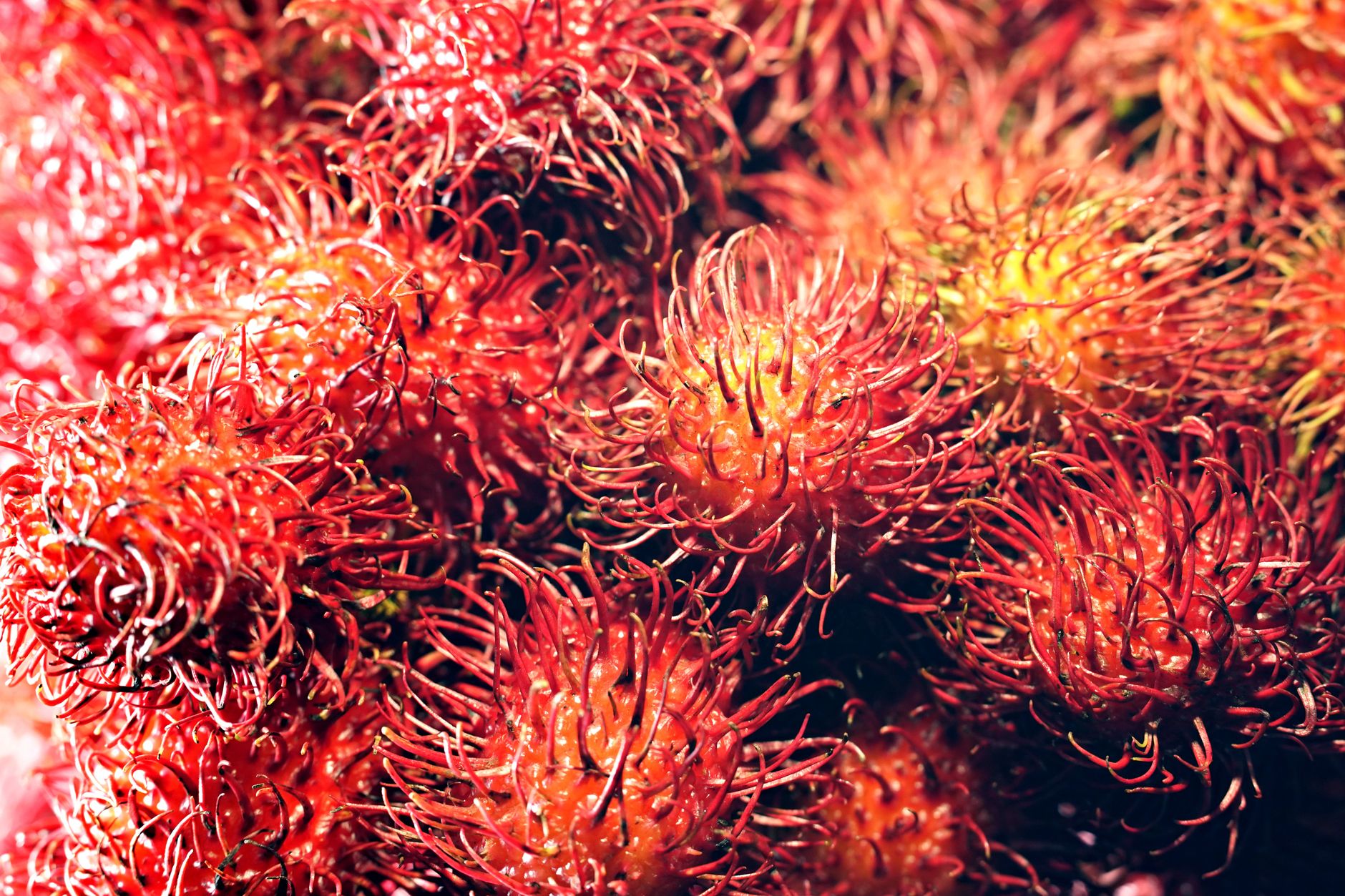
Rambutan, a tropical fruit known for its hairy exterior and sweet, juicy flesh, has gained popularity among fruit lovers worldwide. Understanding when rambutan is in season can help you enjoy this delightful fruit at its freshest. This seasonal buying and storage guide will cover when to find rambutan, its best culinary uses, how to select ripe fruit, and tips for storage and preparation.
Rambutan season varies by region, influenced by climate and growing conditions. Typically, rambutan is in season from June to December, with peak harvest times differing based on the area. Familiarizing yourself with these timelines will enhance your chances of finding the freshest rambutan available.
When Is Rambutan Season?
Rambutan is primarily in season during the warm months, which can range significantly depending on the tropical region. In Southeast Asia, where rambutan is widely grown, the fruit generally has two main harvests each year. The first season runs from June to August, while the second spans from September to December. The precise timing can vary slightly by location, as different countries have unique climates and rainy seasons.
Where is Rambutan Grown?
Rambutan thrives in several tropical regions around the world. Here are some notable countries where rambutan is cultivated:
- Indonesia: One of the largest producers of rambutan, with extensive plantations throughout the islands.
- Malaysia: Known for its delicious varieties, Malaysia has export quality rambutan predominantly grown in states like Johor and Sarawak.
- Thailand: Rambutan is commonly found in southern Thailand, especially the Surat Thani region, and is often sold fresh at markets.
- Vietnam: A significant exporter of rambutan, particularly between May and August.
- Philippines: Rambutan is widely available and enjoyed, found both in local markets and supermarkets throughout the summer months.
How to Select Ripe Rambutan
Choosing ripe rambutan is essential to enjoying its sweet flavor and juicy texture. Here are some tips for selecting the best fruit:
- Color: Look for vibrant red or yellow-colored skin. Avoid fruit that appears dull or has dark spots, as these often indicate overripeness or decay.
- Texture: The hairy exterior should be fresh and firm. If the rambutans feel mushy or overly soft, they may be past their prime.
- Size: While size can vary depending on the variety, select medium to large fruits, as they typically contain more flesh.
- Freshness: Check for any aroma; fresh rambutan should emit a sweet, fruity fragrance. If the fruit smells fermented or off, skip it altogether.
Culinary Uses of Rambutan
Rambutan is not only delicious eaten fresh but can also be used in various culinary applications. Here are some popular ways to enjoy rambutan:
Fresh Consumption
The simplest way to enjoy rambutan is to peel and eat it fresh. The translucent, grape-like flesh is sweet and mildly acidic, making it a refreshing snack on hot days. It’s often enjoyed raw or served in fruit salads, desserts, or as part of a tropical fruit platter.
Salads and Salsas
Rambutan can add an exciting twist to salads and salsas. Combine diced rambutan with citrus fruits, avocados, and light dressings to create a bright and flavorful summer salad. In salsas, pair with tomatoes, onions, and cilantro for a unique topping to grilled meats or seafood.
Desserts
In desserts, rambutan can be used in pudding, gelato, and smoothies. Its sweet texture works well in chilled desserts or topped with yogurt and granola. Pairing rambutan with coconut milk creates delightful tropical desserts.
Drinks
Add fresh rambutan to your cocktails or smoothies for a fruity flavor. Its sweetness balances nicely in drinks, providing a refreshing element. You can blend rambutan into juices or use its juice as a natural sweetener for various beverages.
Preserves and Jams
Rambutan can be turned into preserves or jams, capturing its sweet essence for use throughout the year. Combine it with sugar and citrus juice to create delicious spreads for bread, toast, or as fillings for pastries.
Storage Tips for Rambutan
Properly storing rambutan will help maintain its freshness and extend its shelf life. Here are practical storage tips:
At Room Temperature
If you’re planning to eat the rambutan within a few days, store it at room temperature, away from direct sunlight. Under these conditions, rambutan can last about 2–3 days.
In the Refrigerator
For longer storage, place ripe rambutan in a plastic bag or container in the refrigerator. This method can help keep the fruit fresh for up to a week. Be sure to avoid stacking them too tightly, as they can bruise easily.
Freezing Rambutan
If you have excess rambutan that you cannot consume in time, freezing is an excellent option. Here’s how to do it:
- Peel the rambutan and remove the seed.
- Spread the peeled fruit on a baking sheet in a single layer.
- Freeze until solid, then transfer the frozen rambutan into airtight containers or zip-top bags.
- Label and date the bags before returning them to the freezer. Frozen rambutan can last up to six months.
Common Mistakes When Dealing with Rambutan
Here are some common mistakes to avoid when handling rambutan:
- Choosing Overripe Fruit: Be sure to select ripe rambutan, as overripeness can result in a mealy texture and fermented taste.
- Peeling Incorrectly: Rambutan’s outer skin is easy to peel, but some might struggle. Use your fingers or a knife carefully to avoid crushing the fruit inside.
- Ignoring Storage Conditions: Failing to store rambutan properly can lead to spoilage. Store it in an airtight container or plastic bag in the refrigerator for maximum freshness.
- Using in Excess: Although it might be tempting to use rambutan in every recipe, blending its flavor with various other fruits helps maintain balance and enhances the dish.
Understanding Rambutan Varieties
Various rambutan varieties exist, each offering unique flavors and textures. Here are some popular ones:
- Rambeh: This variety has a sweet, red exterior and a mildly tangy flavor, popular among consumers.
- Lebak Madu: Known for its sweet and juicy pulp, this variety has a yellowish-green exterior when ripe.
- Binjai: Featuring a spiny exterior and a sweet taste, Binjai rambutan is a favorite for its pleasing texture and flavor.
- Yellow Rambutan: As its name suggests, this type has a yellow skin and offers a sweet flavor profile, with less acidity than red varieties.
Recipe Ideas Featuring Rambutan
Incorporating rambutan into your meal prep and cooking can be delightful. Here are simple recipe ideas:
Rambutan and Mango Salad
This refreshing salad combines sweet rambutan with ripe mango for a delicious treat.
- Ingredients:
- 1 cup peeled rambutan
- 1 cup diced mango
- 1/2 cup diced cucumber
- 1 tablespoon lime juice
- Salt and pepper to taste
- Instructions:
- In a salad bowl, combine peeled rambutan, diced mango, and cucumber.
- Drizzle lime juice over the mixture and season with salt and pepper.
- Toss gently and serve chilled.
Rambutan Smoothie
This smoothie is perfect for a quick breakfast or snack.
- Ingredients:
- 1 cup peeled rambutan
- 1 banana
- 1 cup coconut milk
- 1 tablespoon honey (optional)
- Ice cubes (as desired)
- Instructions:
- Combine rambutan, banana, coconut milk, and honey in a blender.
- Blend until smooth, adding ice for desired consistency.
- Pour into a glass and enjoy immediately.
Final Thoughts
Understanding when rambutan is in season and how to select and store it ensures you can enjoy its delightful sweetness at its best. This tropical fruit can elevate a variety of dishes, whether enjoyed fresh, as part of salads, desserts, or beverages. Embrace the rambutan season and experiment with it in your kitchen!
Explore related recipes and tips by checking out our Chia Pudding Recipe or learn how to make Mango Sago for a delicious tropical treat. Discover the delightful world of tropical fruits!