
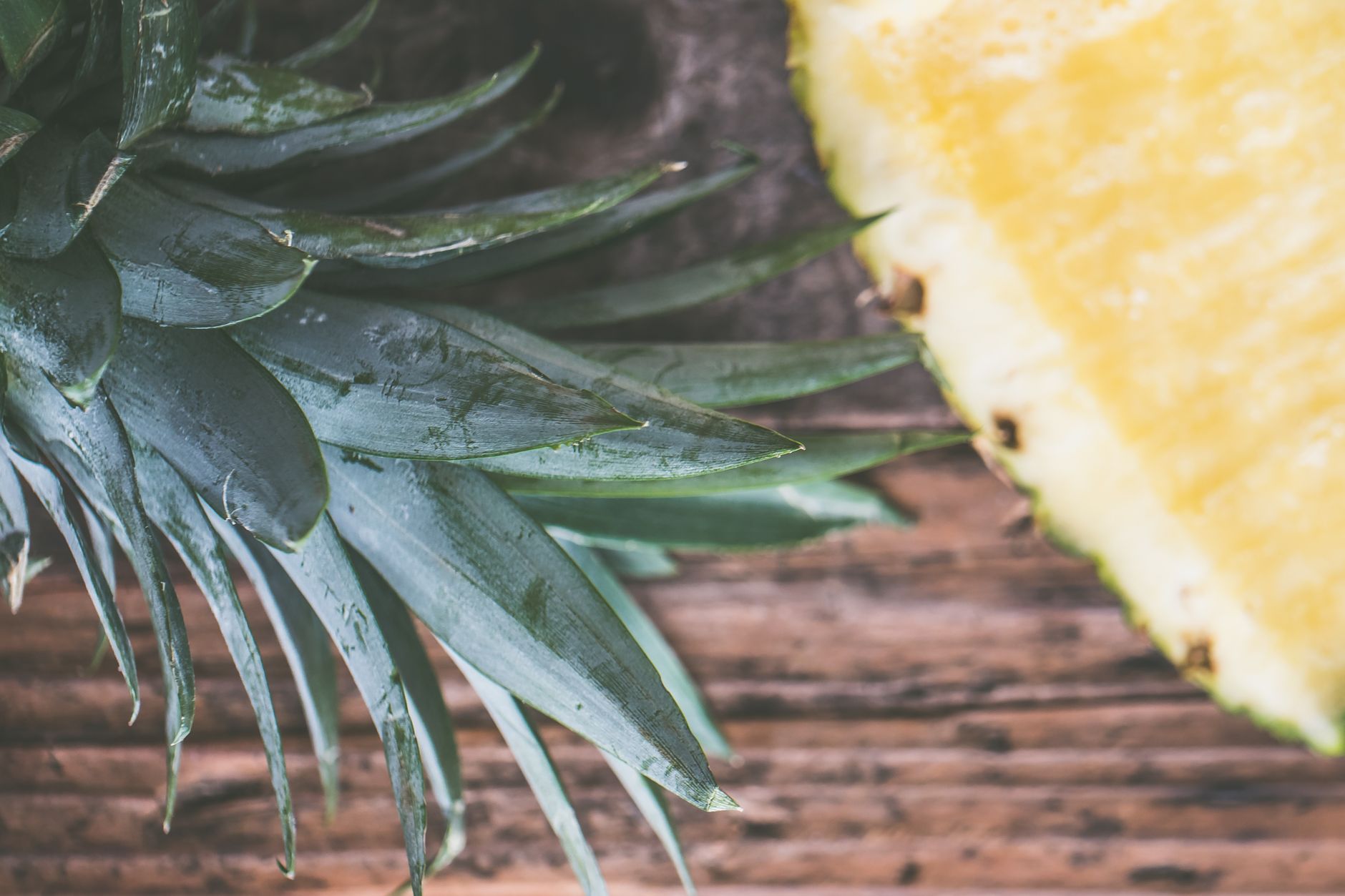
Pineapple is a tropical fruit cherished for its sweet, tangy flavor and versatility in various dishes. Understanding when pineapple season is not only helps you enjoy this juicy fruit at its peak freshness but also allows you to optimize your culinary creations. This article delves into pineapple’s seasonality, selection tips, storage advice, and a few delightful ways to incorporate this vibrant fruit into your meals.
Whether you want to add pineapple to salads, smoothies, or savory dishes, knowing when to find the best-quality fruit greatly enhances your culinary endeavors. This guide will provide essential insights into pineapple season, selection tips, and recipe ideas to make the most of this delicious fruit.
When Is Pineapple Season?
Pineapple season varies depending on the region from which it is sourced. Generally, the peak season for pineapples in tropical climates runs from March to July. However, the growing conditions significantly influence this timing. For instance, in Hawaii, the primary season can extend from April to July, while Costa Rican pineapples peak from May to August. Availability may vary throughout the year in other regions, reflecting the global demand and cultivation practices.
Understanding Pineapple Varieties
Different pineapple varieties can also impact their taste, texture, and seasonality. Here are a few notable varieties to consider:
- Queen Pineapple: Smaller and sweeter, these are often found in Australia and South Africa. They have a shorter season, generally peaking during the summer months.
- Gold Pineapple: Known for its bright yellow flesh, this variety is particularly sweet. It typically comes from Costa Rica and is available year-round, with a peak in late spring to summer.
- Red Spanish: Larger and more fibrous, this type is commonly grown in the Caribbean. Seasonality can vary, but it’s often found from late spring to early summer.
Selecting a Pineapple
Choosing the right pineapple is essential for maximizing flavor and sweetness. Here are some tips for selecting a ripe pineapple:
- Look for Color: A ripe pineapple should have a golden color at the base, indicating sweetness. Avoid pineapples that are predominantly green, as they may not be ripe.
- Feel for Firmness: A ripe pineapple should yield slightly when pressed but should not be too soft. A firm feel with a little give indicates ripeness.
- Smell the Base: A sweet, fragrant smell at the base of the pineapple is a good indicator of ripeness. If it has no aroma or smells fermented, it may be overripe.
- Check the Leaves: The leaves of the pineapple should be green and healthy-looking. They should not be brown or dried out, as this can suggest that the fruit is past its prime.
Storing Fresh Pineapple
Proper storage can help maintain a pineapple’s freshness. Here are some storage tips:
- Whole Pineapple: Keep a whole pineapple at room temperature for up to 2-3 days for optimal flavor. If you cannot consume it in that time, refrigerate it to extend its shelf life.
- Cut Pineapple: Once cut, store pineapple in an airtight container in the refrigerator. It can last up to 5 days when properly stored.
- Freezing Pineapple: Pineапple can be frozen for up to 6 months. Cut it into pieces, spread them on a baking sheet to freeze individually, and then transfer them to a freezer bag.
Delicious Ways to Use Pineapple
Pineapple’s sweet and tangy flavor complements a variety of dishes. Here are some recipe ideas to incorporate this tropical fruit into your meals:
Pineapple Smoothie
A pineapple smoothie is a refreshing and nutritious way to start your day. Here’s how to make it:
- Ingredients:
- 1 cup fresh pineapple chunks
- 1 ripe banana
- 1 cup spinach (optional)
- 1 cup coconut water or regular water
- 1 tablespoon chia seeds (optional)
- Add the fresh pineapple, banana, spinach, and coconut water into a blender.
- Blend until smooth.
- If desired, add chia seeds and blend again.
- Pour into a glass and enjoy a refreshing start to your day.
Pineapple Stuffing
This sweet-and-savory stuffing can elevate your holiday meals or any special occasion. Here’s how to prepare it:
- Ingredients:
- 4 cups cubed stale bread
- 1 cup fresh pineapple, diced
- 1/2 cup diced onion
- 1/2 cup celery, diced
- 1/2 cup chicken stock
- 1/4 cup butter, melted
- 1 teaspoon dried thyme
- Salt and pepper to taste
- Preheat your oven to 350°F (175°C).
- In a large bowl, combine the cubed bread, pineapple, onion, and celery.
- In another bowl, mix together the chicken stock, melted butter, thyme, salt, and pepper.
- Pour the liquid mixture over the bread mixture, stirring to combine.
- Transfer the stuffing to a greased baking dish and cover with foil.
- Bake for 30 minutes, then remove the foil and bake for an additional 15 minutes, or until golden brown.
Pineapple Preservation Methods
If you have an abundance of pineapples or want to enjoy their taste year-round, consider preservation methods such as canning or dehydrating.
Canning Pineapple
Canning pineapple allows you to store it for longer periods. Here’s a quick guide on how to do it:
- Choose ripe, fresh pineapple. Peel it and cut it into chunks.
- Prepare the canning jars by sterilizing them in boiling water.
- Pack the pineapple chunks into the jars, leaving about 1 inch of headspace.
- Make a syrup using sugar and water (or juice), and pour it over the pineapple until the jars are filled.
- Seal the jars with lids and process them in a water bath canner for 20 minutes.
- Once done, let the jars cool, and check for an airtight seal.
Dehydrating Pineapple
Dehydrating pineapple is a great way to create snacks with concentrated sweetness:
- Slice the pineapple into thin, even slices.
- Arrange the slices on a dehydrator tray in a single layer.
- Set the dehydrator to 135°F (57°C) and let the pineapple dehydrate for 8-10 hours.
- Once dried and cool, store the pineapple in an airtight container.
Considerations for Cooking with Pineapple
While incorporating pineapple into your cooking, there are a few considerations to keep in mind:
- Acidity: Pineapple’s acidity can affect dairy-based dishes. Be cautious when combining it with milk or cream, as it may curdle.
- Grilling: Grilling enhances the sweetness of pineapple, caramelizing its sugars. For best results, grill on medium heat until you see grill marks and slightly softened texture.
- Pineapple in Marinades: The natural enzymes in pineapple can tenderize meat, making it a useful addition to marinades. However, avoid marinating for too long, as it can turn the meat mushy.
Final Thoughts
Pineapple is not just a delicious fruit; it also adds fun flavors and colors to a variety of dishes. Knowing when to buy it and how to store it can enhance your cooking experiences significantly. By preparing recipes like pineapple smoothies or stuffing, you can relish the sweet tartness throughout the year. When you are ready, enjoy the fresh, tropical goodness that pineapple has to offer.
For more ideas on how to incorporate pineapple into your cooking, explore these delicious recipes: try a pineapple smoothie recipe or a simple pineapple stuffing recipe to delight your taste buds.