
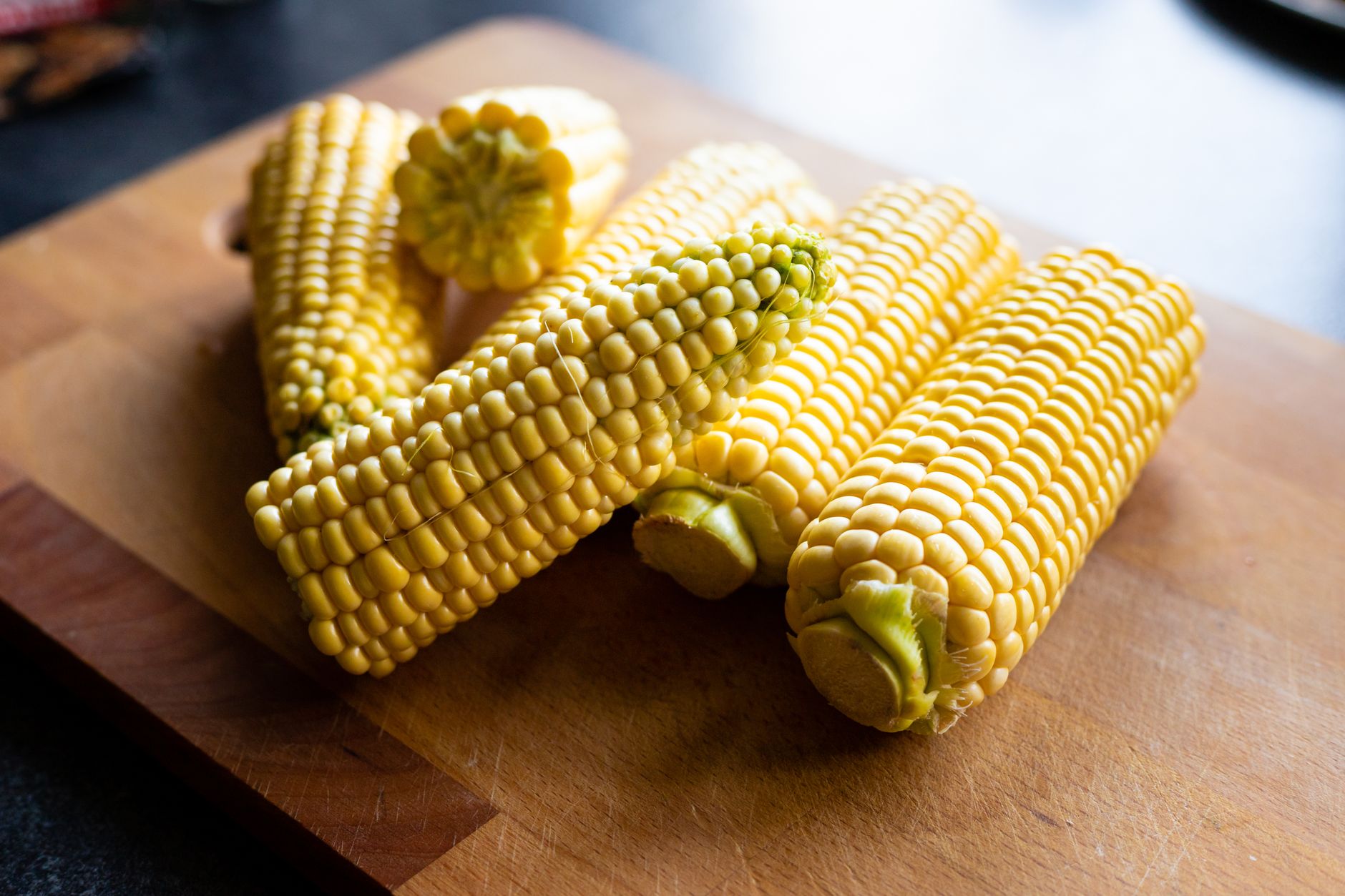
Corn is a versatile and beloved staple in many cuisines around the world, known for its sweet flavor and crunchy texture. Understanding when corn is in season can elevate your cooking and help you choose the freshest options for your meals. This article explores the growing seasons of corn, how to select and store it, and its culinary uses.
With different varieties of corn available, the timing may vary, so let’s delve into when to enjoy this delightful ingredient at its peak freshness.
When Is Corn In Season?
Corn is typically in season during the warmer months, with peak availability in the summer, from June to September in the United States. The exact timing can vary based on geographic location and climate, but this timeframe generally ensures the best flavor and quality.
The Different Varieties of Corn
Corn comes in various types, and each has its season and use in cooking. The most common varieties include:
- Sweet Corn: This is the type most often eaten fresh. It is sweet, tender, and perfect for grilling or adding to salads.
- Field Corn: Primarily grown for animal feed and industrial uses, this corn is not typically consumed directly.
- Popcorn: A specific type of flint corn with a hard outer shell that pops when heated.
- Flint Corn: Known for its hard kernels, it is also used in polenta and cornmeal.
- Indian Corn: Recognized by its colorful kernels, this variety is mainly ornamental but can also be ground for flour.
Understanding Sweet Corn Seasons
The season for sweet corn can vary by region. Here’s a breakdown based on different growing areas:
United States Corn Season
- Northeast: Sweet corn is usually harvested from late June through early September.
- Southeast: The season typically begins in May and can extend into September.
- Midwest: In states like Iowa and Illinois, sweet corn is at its best from late July to early September.
- West Coast: California can harvest sweet corn from late spring through early fall, with peak season in July and August.
International Corn Seasons
Corn seasons in other countries may differ significantly:
- Mexico: Corn is a staple and is available year-round, with high production during the rainy season from May to October.
- South America: In countries like Brazil, the growing season usually runs from September to March.
- Europe: Various countries harvest corn between June and October, based on climate and variety.
How to Select Fresh Corn
Choosing corn can be a delightful experience if you know what to look for. Here are a few tips for selecting fresh corn:
- Look for bright green husks that are tightly wrapped around the ears. The husk should feel moist and fresh.
- Check the silk at the top of the ear. It should be golden brown and sticky, indicating ripeness.
- Gently squeeze the ear. It should feel plump and full, indicating juicy kernels inside.
- Inspect the kernels. They should be bright and evenly spaced, without any gaps or dryness.
Storing Corn
Proper storage is essential to maintain corn’s sweetness and freshness. Here are some storage tips:
- Keep corn in the husk until you are ready to use it. This helps retain moisture and flavor.
- Store corn in the refrigerator to preserve its freshness, ideally in a perforated plastic bag.
- Aim to use fresh corn within one to two days of purchase. The sugars in corn begin converting to starch shortly after harvest, which can affect flavor.
Culinary Uses for Corn
Corn is incredibly versatile and can be used in various dishes and cooking methods. Here are some popular culinary applications:
Grilling and Roasting
Grilling corn can enhance its sweetness with a smoky flavor. Just remove the husk and grill the ears directly over medium-high heat. Turn occasionally until charred, about 10 to 15 minutes. For roasting, you can leave the husk on for a more steamed flavor.
Salads and Salsas
Fresh corn can be a delightful addition to salads. Try adding cut corn to mixed greens, or use it in a corn and avocado salsa, combining diced avocado, tomatoes, lime juice, and cilantro.
Corn Soufflés and Puddings
Corn can be transformed into delicious soufflés and puddings, adding a creamy sweetness. Recipes can vary, but they often combine corn with eggs, cream, and spices for a savory or sweet dish.
Popular Corn Recipes to Try
Here are a couple of delicious corn recipes that highlight its flavor and texture:
Corn Pudding
Corn pudding is a creamy, comforting dish that showcases fresh corn beautifully. Here’s a basic outline of how to prepare it:
- Ingredients:
- 4 cups fresh corn kernels (about 6-8 ears of corn)
- 1/2 cup milk
- 1/2 cup heavy cream
- 3 large eggs
- 1/4 cup sugar
- 1 teaspoon salt
- 1/2 teaspoon black pepper
- Instructions:
- Preheat your oven to 350°F (175°C).
- In a blender, combine corn, milk, cream, eggs, sugar, salt, and pepper. Blend until smooth.
- Pour the mixture into a greased baking dish.
- Bake for 45-50 minutes or until the top is golden and set.
Corn Soufflé
This fluffy dish is perfect as a side or a light main course. Here’s how to make it:
- Ingredients:
- 2 cups fresh corn kernels
- 1/2 cup milk
- 4 large eggs, separated
- 1 cup shredded cheese (cheddar or your choice)
- 2 tablespoons butter
- 1 tablespoon flour
- Salt and pepper to taste
- Instructions:
- Preheat your oven to 375°F (190°C).
- Melt butter in a saucepan, add flour and whisk until combined. Gradually add milk, stirring until thickened.
- In a blender, combine corn, egg yolks, salt, and pepper, and blend until smooth. Mix in the milk mixture and cheese.
- In a bowl, whisk egg whites until stiff and fold them into the corn mixture.
- Pour into a greased soufflé dish and bake for 25-30 minutes until puffed and golden.
Common Mistakes When Cooking Corn
Even though corn is simple to prepare, there are some common pitfalls to avoid:
- Overcooking corn can result in mushy, less flavorful kernels. Cook sweet corn until just tender, usually about 3-5 minutes in boiling water.
- Removing too much husk or silk prior to cooking can dry out the kernels. It’s best to leave some husk while grilling.
- Substituting canned corn for fresh can lead to a very different flavor and texture. Fresh corn is significantly sweeter and crunchier.
Fun Facts About Corn
Corn has a rich history and a fascinating profile. Here are some interesting facts:
- Corn is one of the most widely grown crops in the world, with both food and industrial applications.
- There are over 300 different varieties of corn, each with distinct uses.
- Native Americans were the first to cultivate corn over 10,000 years ago.
Conclusion
Knowing when corn is in season can greatly improve your culinary experiences, providing you access to the freshest ingredients. Enjoy it in a variety of dishes, from simple grilled corn to elaborate soufflés. Keep these tips and knowledge in mind to get the most out of this versatile vegetable.
For more delightful corn recipes, check out our Corn Pudding recipe and learn how to make a satisfying Corn Soufflé. Happy cooking!