
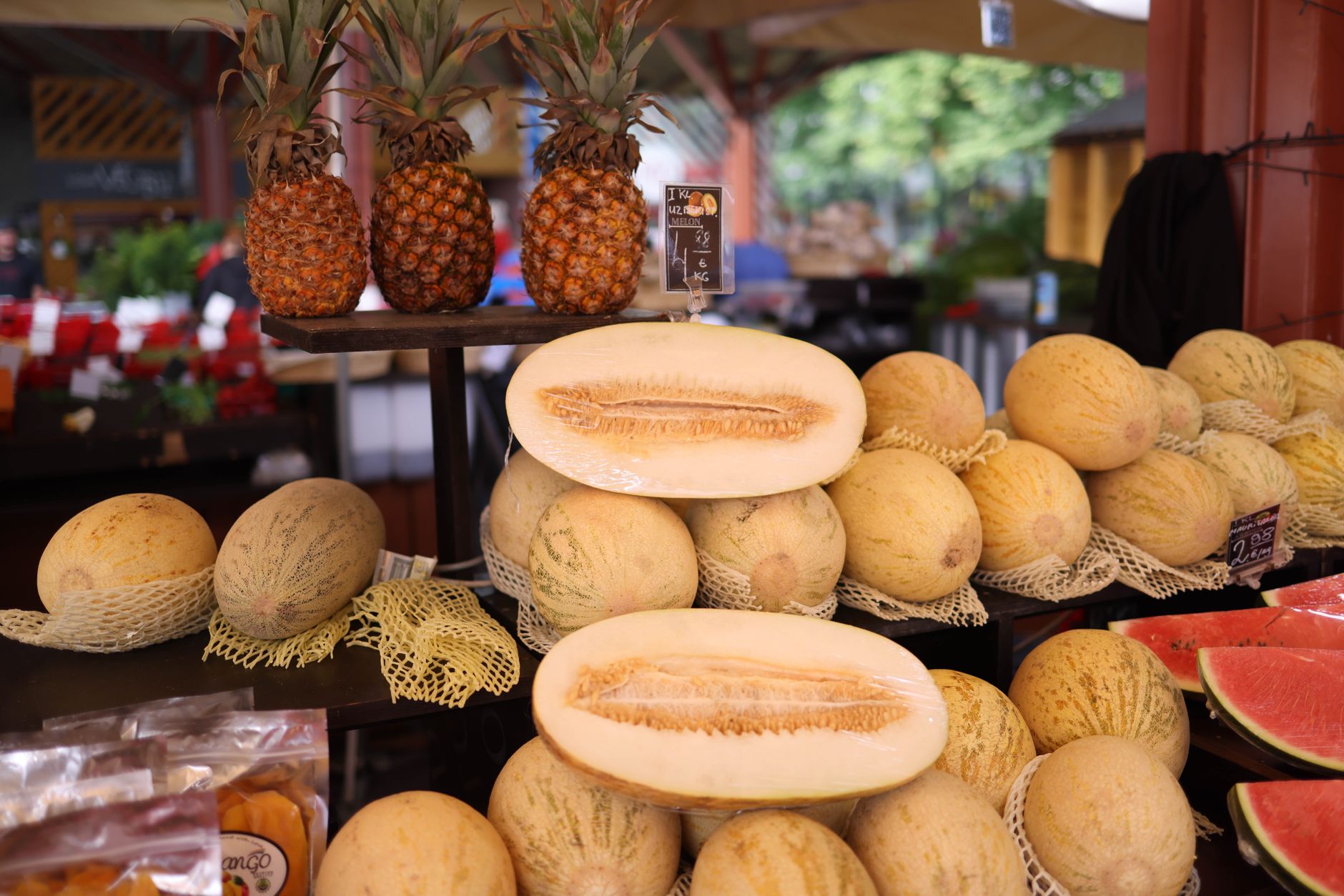
Cantaloupes are a delicious and refreshing fruit enjoyed in numerous culinary applications, from simple salads to desserts and smoothies. Knowing when to pick a cantaloupe is essential for ensuring peak flavor and sweetness. Understanding the signs that indicate ripeness can help both home gardeners and shoppers select the best melons.
This guide explores when cantaloupes are ready to pick, what to look for while selecting them in stores, and some tips for storing and enjoying this delightful fruit.
When Is Cantaloupe Ready to Pick?
Cantaloupes are typically ready for harvest 80 to 90 days after planting, depending on the variety and growing conditions. Harvesting them at the right time is crucial for flavor and sweetness, and there are several visual and tactile cues to look for.
Signs of Ripeness
To ensure that you are picking a ripe cantaloupe, observe the following signs:
- Color: The cantaloupe should have a creamy yellow color on the bottom, where it has been resting on the ground. This indicates that it has ripened fully, rather than being picked prematurely.
- Netting: A mature cantaloupe will have a well-defined netting pattern on its rind. The netting should resemble a woven mesh and not be too smooth.
- Texture: The surface of a ripe cantaloupe should feel slightly tacky to the touch, indicating that the sugars are developing properly.
- Shape: Look for a cantaloupe that is round and has a uniform shape. Irregularities may indicate uneven growth or insufficient ripening.
- Stem attachment: A ripe cantaloupe may have a slightly withered stem. Gently pull the stem; if it separates easily, the cantaloupe is likely ready.
- Aroma: A sweet, fruity scent emanating from the stem end indicates ripeness. If there’s no fragrance, the fruit may not yet be ready to be picked.
How to Harvest Cantaloupe
Once you’ve determined that your cantaloupes are ripe, follow these steps to harvest them properly:
- Use a clean, sharp knife or garden shears.
- Cut the stem about 1 to 2 inches from the fruit, avoiding damage to the melon’s skin.
- Handle the fruit carefully to prevent bruising.
- Place the harvested cantaloupe in a shaded area to cool down and avoid damage from sunlight.
When Do Cantaloupes Grow?
Cantaloupes thrive in warm climates with plenty of sunlight. They are typically grown in spring and summer. The growing season will vary by region:
- In warmer climates: Cantaloupes can be planted as early as March to April.
- In cooler areas: Wait until the threat of frost has passed, usually in late May or early June.
Understanding the growing season in your area will help you time your planting and harvesting for optimal results.
What to Look for When Buying Cantaloupe
If you’re shopping for cantaloupe instead of growing your own, here are tips to help you pick the best one:
- Check the color: Look for a cantaloupe with a golden-yellow color on the bottom and minimal green streaks.
- Inspect for bruises: Avoid melons with soft spots or blemishes, which may indicate overripeness or internal damage.
- Look for a stem end: Choose cantaloupes with a dry, slightly rough stem end, which is often a sign that it was harvested at the right time.
- Assess weight: A ripe cantaloupe should feel heavy for its size, suggesting it is juicy and full of flavor.
- Smell the aroma: If possible, gently smell the stem end of the cantaloupe for sweetness. A fragrant melon is likely ripe.
Storage Tips for Cantaloupe
Once you have picked or purchased your cantaloupe, proper storage is essential to maintain freshness. Here are some practical tips for storing cantaloupe:
- Keep it whole: Whole cantaloupes may be stored at room temperature until ripe. Once ripe, store it in the refrigerator.
- Wrap for freshness: If you have cut a cantaloupe, wrap it tightly in plastic wrap and store it in the refrigerator. It is best consumed within three to five days.
- Avoid washing before storage: Do not wash the cantaloupe until right before you are ready to eat it, as moisture can encourage mold growth.
Enjoying Cantaloupe
There are numerous delicious ways to enjoy cantaloupe. Here are some culinary ideas and considerations:
- Salads: Combine diced cantaloupe with feta cheese, mint, and a drizzle of balsamic glaze for a refreshing summer salad.
- Smoothies: Blend cantaloupe with yogurt, ice, and a splash of orange juice for a refreshing smoothie.
- Snacks: Serve cantaloupe slices on their own or with a sprinkle of salt or chili powder for a savory twist.
- Frozen treats: Puree cantaloupe and pour it into popsicle molds for a cooling summer treat.
Common Mistakes and Troubleshooting
Even experienced growers can face challenges when it comes to knowing the right time to harvest cantaloupes. Here are some common mistakes to avoid:
- Picking too early: Harvesting prematurely can yield a bland fruit. Always check for the signs of ripeness mentioned earlier.
- Ignoring soil conditions: Ensure cantaloupes have adequate water and nutrients during the growth phase for best flavor.
- Storing improperly: Failing to store cantaloupes correctly can lead to spoilage. Follow storage guidelines closely.
If you find cantaloupes have been picked too early, try letting them ripen at room temperature for a few days. They may become slightly sweeter, though they will not reach the same level of sweetness as ones that were perfectly ripe at harvest.
Health Benefits of Cantaloupe
Cantaloupe is rich in vitamins and nutrients, making it a healthy addition to your diet. Some benefits include:
- High in vitamins: Cantaloupes are an excellent source of vitamin C, essential for immune function, and vitamin A, supported by beta-carotene.
- Hydration: With a high water content, cantaloupe helps keep you hydrated, especially during hot weather.
- Low in calories: This fruit is low in calories, making it a suitable option for those watching their weight.
Cantaloupe Varieties
Different varieties of cantaloupe may have unique characteristics. Popular varieties include:
- Hales Best: Sweet and juicy, this variety has a smooth, netted skin.
- Galia: With a yellow-orange flesh, this type is aromatic and sweet.
- Casaba: Known for its distinctive shape and light green color, Casaba offers a mild flavor.
Conclusion
Knowing when to pick cantaloupe is essential for enjoying its peak flavor and sweetness. By observing key ripeness indicators—such as color, texture, and aroma—you can ensure that your homegrown or store-bought cantaloupes will deliver the best taste. Remember to store cantaloupes properly and enjoy them in a variety of delicious ways to maximize your culinary experience.
Explore additional recipes and cooking tips related to seasonal fruits and vegetables to broaden your culinary horizons. Check out our guides for seasonal fruits, summer salads, and working with fresh vegetables.