
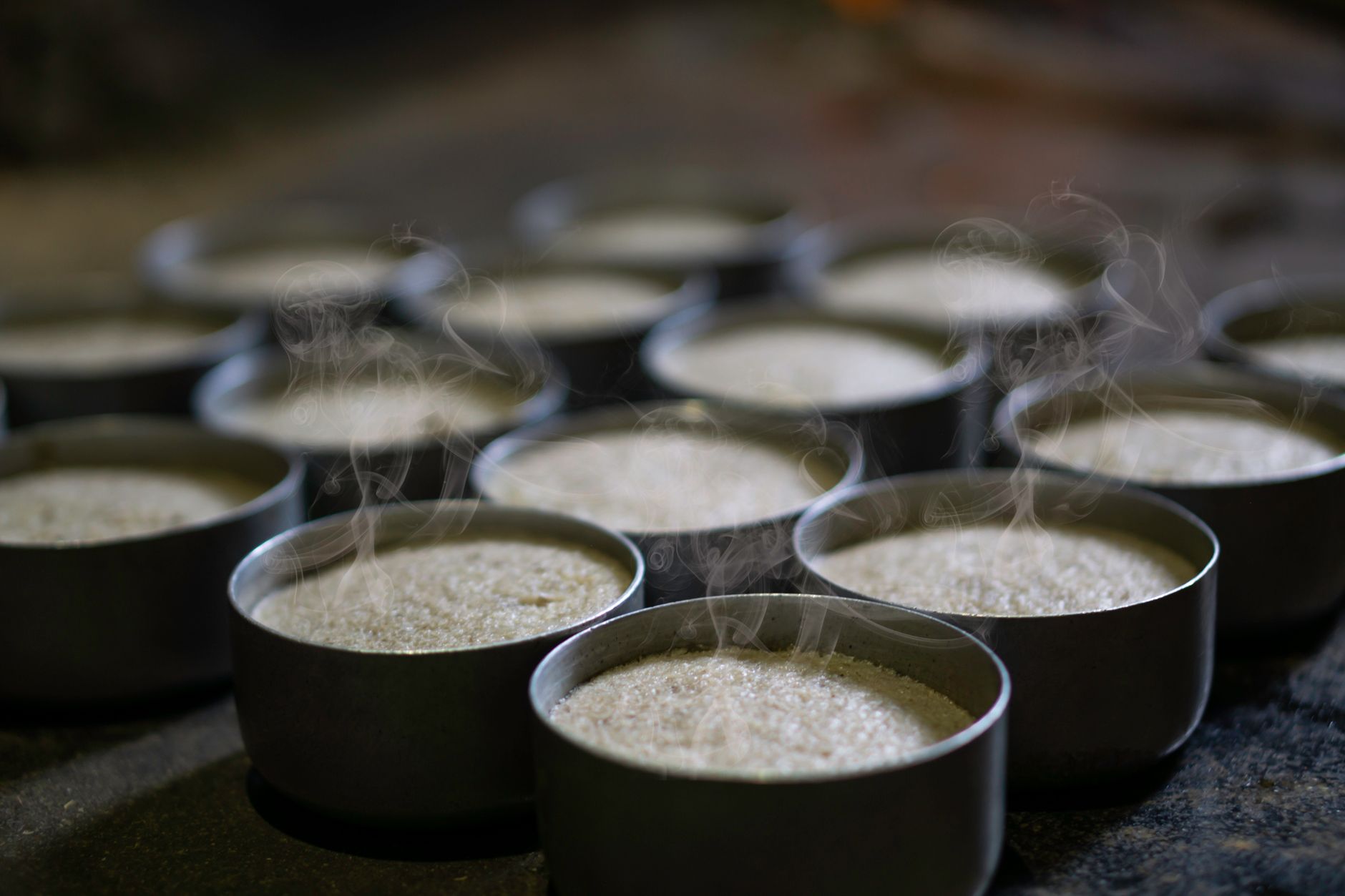
Understanding food safety is essential in any kitchen, and knowing how to properly store rice is a crucial part of that. Rice is a versatile staple found in many cuisines, but like any other food, it can go bad if not stored correctly. This article will guide you on when rice goes bad in the fridge based on various factors, along with essential storage and safety tips.
First, let’s explore the different types of rice, how they spoil, and the best practices for ensuring your rice remains safe to eat. Whether you’re a cooking novice or a seasoned chef, proper rice storage can help reduce waste and keep your meals delicious.
When Does Rice Go Bad in the Fridge?
Cooked rice typically lasts about 4 to 6 days in the fridge before it goes bad, while uncooked rice has a much longer shelf life, potentially lasting for years if stored properly. However, several factors contribute to the spoilage of rice, such as moisture content, the cooking process, and how it is stored.
Types of Rice and Their Shelf Lives
Rice can be categorized into two primary types: uncooked and cooked. Each type has its own shelf life and storage requirements.
Uncooked Rice
- White Rice: Lasts indefinitely when stored in a cool, dry place.
- Brown Rice: Due to its higher oil content, it typically lasts about 6 months to 1 year in the pantry.
- Wild Rice: Can last 4 to 5 years when stored properly.
Cooked Rice
- Plain Cooked Rice: Generally safe for 4 to 6 days in the fridge if stored correctly.
- Fried Rice: Can last about 4 to 6 days, depending on additional ingredients.
- Rice Dishes with Protein: Should be consumed within 3 to 5 days to ensure safety.
Factors Affecting Rice Spoilage
Several factors influence how quickly rice will spoil. Understanding these can help you extend its shelf life.
Moisture
One of the primary reasons cooked rice goes bad is moisture. Bacteria thrive in moist environments. If rice isn’t cooled properly before being placed in the fridge, it can create a breeding ground for bacteria.
Temperature
The temperature at which rice is stored plays a significant role in its longevity. Rice should be refrigerated promptly within two hours of cooking to minimize bacterial growth.
Storage Conditions
Using airtight containers can significantly prolong the freshness of rice. Exposure to air can lead to hardening and drying out, making it less enjoyable to eat. Ensure your cooked rice is well-contained to avoid spoilage.
Signs Rice Has Gone Bad
Identifying signs of spoilage is crucial to avoid foodborne illnesses.
Smell
If cooked rice emits an unpleasant or sour smell, it is a clear indication of spoilage and should be discarded.
Appearance
Look for any discoloration or unusual texture changes. Mold is a significant indicator that rice has gone bad and should not be consumed.
Texture
If the rice feels excessively gooey or slimy, it’s best to err on the side of caution and throw it out.
Best Practices for Storing Cooked Rice
To maximize the shelf life and safety of cooked rice, follow these best storage practices.
Cooling Rice Properly
- After cooking, let the rice cool on the countertop for no more than two hours.
- Spread it out on a baking sheet to speed up the cooling process.
- Once cool, transfer it to an airtight container for refrigeration.
Using Airtight Containers
Airtight containers can significantly help prevent moisture from getting in, helping to keep your rice fresher for longer. Glass or plastic containers can be excellent choices.
Freezing Cooked Rice
If you want to keep cooked rice for an extended period, consider freezing it. Properly frozen rice can last up to 6 months. To freeze, portion the rice into bags or containers, chase out as much air as possible, and label them with the date.
Reheating Cooked Rice
To ensure that reheated rice remains safe to eat, follow these guidelines.
Thawing Frozen Rice
When thawing frozen rice, do so in the refrigerator overnight or use the defrost setting on your microwave. Avoid leaving it at room temperature for too long, as this can cause bacteria to thrive.
Reheating Methods
- Microwave: Add a splash of water to the rice, cover it, and heat until steaming.
- Stovetop: Add a bit of water in a pan and cover to heat gently.
Common Mistakes to Avoid
Being aware of common mistakes can help prevent food waste and ensure safe consumption.
- Not Cooling Rice: Failing to cool rice before refrigeration allows bacteria to grow rapidly.
- Leaving Rice Out Too Long: Uncooked rice left out for more than two hours should be discarded.
- Ignoring Signs of Spoilage: Always check for smell, texture, and appearance before consuming leftover rice.
Storage Timeline for Cooked Rice
Here is a timeline to follow for cooked rice storage.
| Storage Method | Duration |
|---|---|
| Refrigerator | 4 to 6 days |
| Freezer | Up to 6 months |
Final Thoughts on Rice Storage
Properly stored rice not only prevents waste but also keeps your meals safe and delicious. By understanding the signs of spoilage and the best practices for storage, you can enjoy the versatility of rice without the worry of foodborne illness.
To further enhance your cooking experience, make sure to explore additional resources, like how long cooked ground beef is good in the fridge or how long cottage cheese lasts after opening. This knowledge is invaluable when it comes to safe and efficient meal planning.