
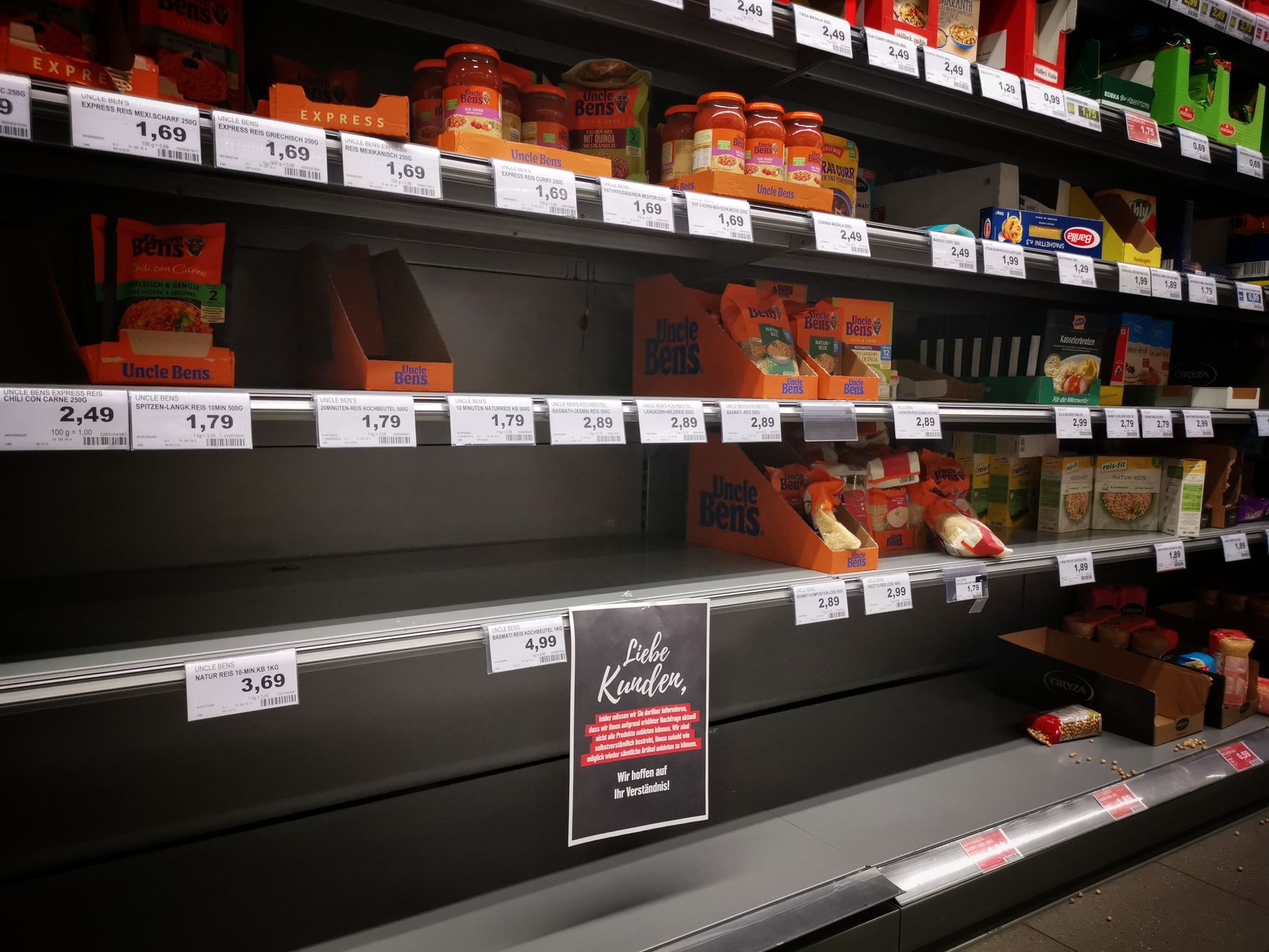
Understanding when grocery stores restock is essential for savvy shoppers looking to score the freshest ingredients and favorite items. By knowing the typical restocking schedules and practices of supermarkets, you can enhance your shopping experience, minimize food waste, and even save money. This guide will explore the ins and outs of grocery restocking, including tips on when to shop, what to look for, and how to make the most of your grocery trips.
Grocery stores operate on various schedules that can vary depending on the store type, location, and demand. Some stores restock multiple times a week, while others may follow a weekly or biweekly schedule. Understanding these details will help you plan your shopping trips effectively.
When Do Grocery Stores Restock?
Most grocery stores restock their shelves during the late-night hours or early mornings, often after closing time or before opening. The primary reason for this timing is to minimize disruption for customers and to ensure that fresh products are available as soon as the store opens.
While the bulk of restocking happens outside normal shopping hours, each store has its own routine based on several factors:
- Store Type: Larger supermarkets generally have more frequent deliveries compared to smaller neighborhood stores, resulting in regular restocking periods.
- Demand and Sales Trends: Some stores may adjust their restocking schedules based on sales trends, especially during peak times like holidays or local events.
- Perishable Goods: Items like produce, dairy, and meat tend to be restocked more often than non-perishable goods due to their shorter shelf life.
Typical Restocking Days and Times
While individual stores may differ, here are some general trends to consider:
- Early Morning (5 AM – 8 AM): Many supermarkets begin restocking during these hours, especially for perishables that need to be available first thing.
- Mid-Week Days (Tuesday – Thursday): Many stores receive their shipments early in the week and may be less crowded, making it a great time for a grocery run.
- Late Night (10 PM – 12 AM): Some stores restock later in the evening when traffic is low, ensuring that fresh items are available when the doors open.
Factors Influencing Restocking Schedules
The frequency and timing of restocks can depend on various factors. Here are some key influences:
1. Location
Stores located in busy, urban areas may restock more frequently than those in rural locations due to higher customer demand. Urban stores may adapt quickly to sales trends, restocking items that sell out rapidly.
2. Seasonal Demand
During certain seasons, grocery stores may stock seasonal items more frequently. For example, certain fruits and vegetables are more readily available during their peak season. Additionally, holiday periods often see restocks focused on seasonal products.
3. Store Size and Format
Large supermarkets typically have more space for inventory and can afford more frequent deliveries compared to smaller stores. Warehouse stores may have irregular restocking patterns due to bulk purchasing.
4. Supply Chain Considerations
Issues such as transportation delays, supplier shortages, or natural disasters can influence when and how often stores receive new stock. These factors can lead to temporary shortages or promotional sales.
5. Consumer Behavior
Grocery stores analyze consumer behavior to determine their restocking strategy. If a store finds that certain products sell quickly, they will prioritize those items during future restocks.
Best Times to Shop for Fresh Items
To maximize your chances of finding fresh, high-quality items, consider shopping at these optimal times:
1. Early Morning Shopping
Shopping early in the morning can be beneficial for customers who want to find fresh produce, baked goods, and dairy products. Stores that refresh their inventory overnight often have the best selection on the shelves at opening time.
2. Mid-Week Visits
As mentioned earlier, visiting on Tuesday through Thursday can yield the best results. Stores often have less traffic, giving shoppers ample opportunity to browse new stock.
3. After Restocking Days
In some cases, following a restocking day (commonly Saturday or Sunday), items are likely to be readily available. Pay attention to flyers and promotions to determine when specific items are restocked.
Identifying Fresh Stock
While the timing of your shopping trip is essential, knowing how to identify fresh ingredients is equally important. Here’s how to spot fresh items when you arrive at the store:
1. Produce
Look for vibrant colors, firm texture, and absence of blemishes. Fruits and vegetables should not show signs of wilting or bruising.
2. Dairy Products
Check expiration dates and packaging integrity. Containers should be sealed and free from cracks.
3. Meat and Seafood
Fresh meat should have a bright color and be free of an off-putting odor. Seafood should also have a clean sea smell, with firm, translucent texture.
Shopping Tips for Effective Grocery Trips
Utilizing a few smart strategies can make your grocery shopping experience smoother and more efficient:
1. Make a List
Compile a shopping list based on recipes and meal planning. This helps to avoid wandering the aisles and enhances the chances of finding fresh ingredients.
2. Know Your Store Layout
Familiarize yourself with the grocery store layout. This allows you to navigate efficiently and spot fresh items quickly.
3. Explore Delivery and Pickup Options
Many stores offer online ordering with curbside pickup. This feature may allow you to schedule your shopping to coincide with restocking times.
4. Explore Local Programs
Look into farmer’s markets or local co-ops that often have fresh stock from local producers. These markets typically operate on specific days, allowing customers to find seasonal items directly from growers.
Seasonal Restocking Trends
Different seasons can influence what grocery stores prioritize during restocking. Here’s a look at what to expect each season:
Spring
Springtime often brings fresh produce such as strawberries, asparagus, and artichokes. Stores refresh their inventory with seasonal produce more frequently during this time.
Summer
In summer, expect higher volumes of fruits like watermelon, peaches, and berries. Restocking for grill-friendly items such as corn and various meats may also occur frequently.
Fall
Autumn often introduces items like pumpkins, apples, and squashes. Grocery stores may increase frequency in restocking baking goods as the holiday season approaches.
Winter
Winter months often focus on hearty vegetables, citrus fruits, and items needed for holiday baking. Many stores ramp up stock for comforting products during the colder months.
Sample Grocery Store Restocking Schedule
While specific schedules can vary, here’s a generalized sample schedule for a typical grocery store:
| Day | Restocking Focus | Best Shopping Times |
|---|---|---|
| Monday | Dairy and Bakery | Morning |
| Tuesday | Produce | Morning |
| Wednesday | Meat and Seafood | Late Morning |
| Thursday | Canned Goods and Snacks | Afternoon |
| Friday | Frozen Foods | Evening |
| Saturday | General Inventory Restock | Morning |
| Sunday | Seasonal Items | Afternoon |
Understanding Grocery Store Layouts
Learning the layout of a grocery store can help you be more strategic about your shopping. Typically, perishables are located around the perimeter, while dry goods fill the center aisles. Here’s a specific breakdown of common layout areas:
- Perimeter: Fresh produce, dairy, meats, and bakery items are usually located here, making it a key area for fresh choices.
- Middle Aisles: Processed and packaged items can be found here; however, they may not always be the freshest options.
- Check-out Area: Often stocked with impulse purchases, snacks, and beverages, check-out spots offer last-minute buying opportunities.
Common Grocery Shopping Mistakes
Beware of some common pitfalls to ensure that your shopping trips are effective:
1. Ignoring Sale Dates
Be mindful of sale dates on items. Purchase items approaching expiration or “best-by” dates first to avoid waste.
2. Over-Purchasing
Resist the urge to stock up on items you may not need. This can lead to waste if items spoil before you can use them.
3. Failing to Evaluate Substitutes
If a favorite ingredient is out of stock, consider exploring high-quality substitutes. This can broaden your culinary horizons as well!
Strategies for Managing Pantry Stock
Keeping a well-stocked pantry can save time and money. Here are some tips:
1. Use Clear Containers
Store non-perishable items in clear containers to easily monitor stock. This helps avoid duplicating purchases.
2. Regular Inventory Checks
Conduct routine checks of your pantry and fridge. This ensures you know what’s available and what needs to be used soon.
3. Create a Rotation System
Implement a “first in, first out” system where older items are used before newer ones. This helps prevent items from going stale or expiring.
Summary
By understanding grocery store restocking schedules and practices, savvy shoppers can navigate their shopping experiences more effectively. Opt for times when stores are likely to have fresh stock, and consider seasonal trends to enhance your menu options. Being proactive about your grocery trips ensures you optimize both your time and resources.
To further enhance your cooking adventures, explore our resources on meal planning, delicious recipes, and kitchen tips to become even more adept in the culinary world!