
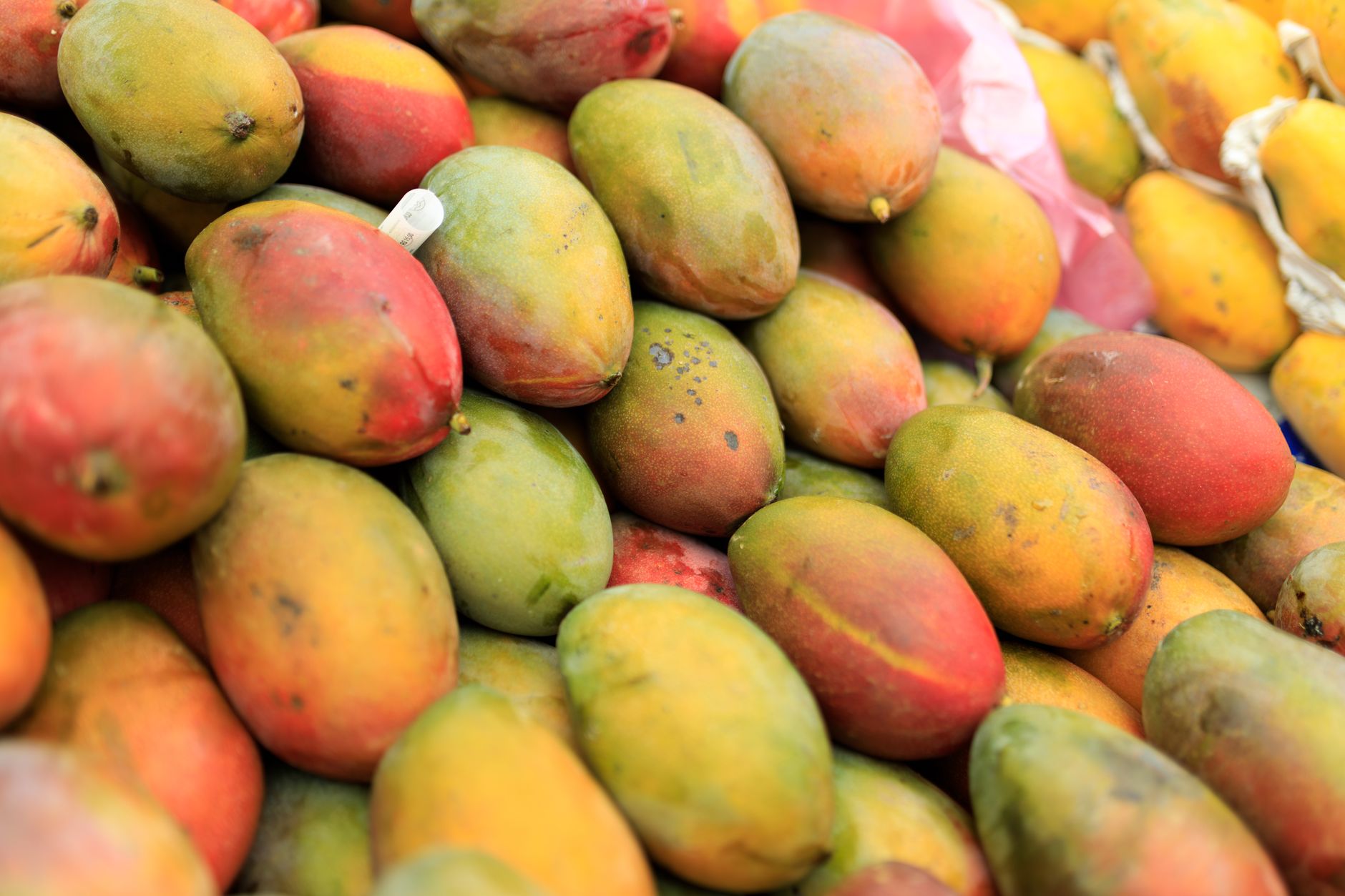
Mango, often hailed as the “king of fruits,” is not only delicious but also a versatile ingredient in various culinary applications. This stone fruit is celebrated for its sweet, juicy flesh and numerous health benefits, making it a popular choice worldwide.
Understanding the type of fruit that a mango is can elevate your cooking and provide inspiration for using it in your kitchen. This article will delve into the nature of mangoes, their varieties, and various kitchen uses—from snacks to desserts.
What Type of Fruit Is a Mango?
A mango is a tropical stone fruit belonging to the genus Mangifera. It is characterized by its sweet, fibrous pulp and a large, flat seed at its center. Mangoes are classified as drupes, which means they have a fleshy outer layer encompassing a hard seed. The flesh can vary in texture and flavor, ranging from smooth and creamy to fibrous and tart.
Mangoes can be easily recognized by their skin, which may be green, yellow, or red, depending on the variety. Inside, the flesh is typically a bright orange to yellow color, rich in vitamins A and C.
Exploring Varieties of Mangoes
There are numerous varieties of mangoes, each with its own flavor profile and culinary uses. Here are some of the most popular types:
- Haden: Known for its bright red color and sweet flavor, Haden mangoes are excellent for fresh eating.
- Tommy Atkins: This variety is widely available and has a mild, sweet taste, making it a versatile option for salads and salsas.
- Alphonso: Highly regarded for its sweetness and rich flavor, Alphonso mangoes are perfect for desserts and smoothies.
- Kent: Kent mangoes are juicy and sweet, ideal for fresh consumption and juicing.
- Keitt: These have a firmer texture and a slightly tart flavor. They are great for salads or chutneys.
Culinary Uses of Mangoes
Mangoes are incredibly versatile and can be used in a variety of dishes—from appetizers to desserts. Here are some popular kitchen uses:
Fresh Mangoes for Snacks and Salads
Fresh, ripe mango is a delightful snack on its own. The simplest way to enjoy it is to peel, slice, and serve. Additionally, mangoes can be added to salads to brighten the flavors. Lime dressing with diced mango creates a refreshing summer salad.
Mango Smoothies and Juices
Mangoes are an excellent base for smoothies, providing a creamy texture and natural sweetness. Simply blend ripe mango with yogurt, ice, and a splash of orange juice for a refreshing drink. For juicing, consider blending mango with pineapple for a tropical flavor.
Mango Salsas and Dips
Mango salsa is a vibrant accompaniment to fish and chicken dishes. Combine diced mango with red onion, jalapeño, cilantro, and lime juice for a quick and easy salsa. This adds a refreshing contrast to spicy dishes, enhancing overall flavor.
Mango Desserts
Mangoes can be used in a variety of desserts, such as puddings, sorbets, and cakes. A popular dessert is mango sticky rice, using sweet rice, coconut milk, and ripe mango slices. Another option is to incorporate mango puree into cheesecake or mousse for creamy texture and color.
Cooking Techniques with Mango
To maximize the deliciousness of mangoes in your dishes, consider these cooking techniques:
How to Ripen Mangoes
If you have unripe mangoes, leave them at room temperature until they soften. You can speed up the ripening process by placing them in a paper bag with an apple or banana. Once ripe, they can be stored in the refrigerator for several days.
Slicing and Dicing Mangoes
To slice a mango, start by holding it upright and cutting downwards along one side of the large pit, taking care to avoid it. Repeat on the other side. You can create cubes by making a crosshatch pattern on the flesh without cutting through the skin, then scoop it out with a spoon.
Freezing Mangoes
Mangoes freeze well and can be used later in smoothies or desserts. To freeze, cut the fruit into chunks, spread them on a baking sheet, and freeze until solid. Transfer the mango pieces to a sealable bag for long-term storage.
Common Mistakes with Mangoes
While preparing mangoes, here are some common pitfalls to avoid:
- Using Unripe Mangoes: Always select ripe mangoes for the best flavor and sweetness. Unripe mangoes can be hard and lack flavor.
- Overripe Mangoes: Conversely, be cautious of overripe mangoes that may have a fermented smell. Use them promptly for smoothies or baked goods.
- Improper Cutting: Avoid cutting too close to the pit, as it can be fibrous and difficult to work with. Always angle your knife appropriately.
Pairing Mangoes with Other Ingredients
Mangoes pair beautifully with various ingredients. Here are some pairing ideas to inspire your culinary creativity:
- Spices: Cumin, chili powder, and coriander enhance the sweetness of mango in savory dishes.
- Herbs: Fresh herbs like cilantro, mint, and basil complement mango’s sweetness.
- Citrus: Lemons and limes add acidity to balance the sweetness—perfect for salsas and dressings.
- Dairy: Creamy ingredients like yogurt and coconut milk create luscious desserts when paired with mango.
- Nuts: Nuts, especially macadamias and cashews, provide a crunchy contrast in salads and desserts.
Health Benefits of Mangoes
Mangoes are not only delicious but also packed with nutrients. Here are some of their health benefits:
- Rich in Vitamins: Mangoes are an excellent source of vitamins A and C, which promote skin health and reinforce the immune system.
- High in Antioxidants: The antioxidants in mango help combat oxidative stress, reducing the risk of chronic diseases.
- Supports Digestion: Mangoes are high in dietary fiber, promoting gut health and aiding digestion.
- Hydration: Due to their high water content, mangoes help keep you hydrated, especially during hot weather.
Storage and Shelf Life of Mangoes
Properly storing mangoes is key to maintaining their flavor and texture. Here are some tips for storage:
- Unripe Mangoes: Store at room temperature until they ripen. Avoid refrigeration at this stage.
- Ripe Mangoes: Once ripened, place mangoes in the refrigerator to prolong their shelf life up to five days.
- Cut Mangoes: Refrigerate cut mango pieces in an airtight container for up to two days to maintain freshness.
Using Mangoes in Different Regional Cuisines
Mangoes are popular in various regional cuisines, each showcasing unique recipes and flavors. Here are a few examples:
Mango in Indian Cuisine
In India, mangoes are used in everything from pickles to desserts. The king of mangoes, Alphonso, is often used in the classic dish mango lassi, a yogurt-based beverage, or mango kulfi, traditional Indian ice cream.
Mango in Southeast Asian Cuisine
Southeast Asian countries like Thailand and Vietnam utilize mangoes in savory dishes, such as mango salad, which combines green mango with shrimp and herbs, showcasing a balance of sweet, salty, and spicy flavors.
Mango in Latin American Cuisine
In Latin American countries, mangoes often appear in tropical fruit salads, smoothies, and salsas, served alongside grilled meats, enhancing the essence of vibrant flavors.
Recipe Ideas Featuring Mangoes
Here are some delicious recipe ideas that showcase mangoes:
Mango Salsa
This fresh mango salsa can elevate any dish, especially grilled chicken or fish.
- Ingredients:
- 2 ripe mangoes, diced
- 1 red onion, finely chopped
- 1 jalapeño, minced
- 1/4 cup cilantro, chopped
- Juice of 2 limes
- Salt to taste
Method:
- In a bowl, combine the diced mangoes, red onion, jalapeño, and cilantro.
- Drizzle with lime juice and season with salt.
- Toss gently until well combined. Serve chilled.
Mango Sticky Rice
A popular Thai dessert that’s both simple and satisfying.
- Ingredients:
- 1 cup glutinous rice
- 1 can coconut milk
- 1/2 cup sugar
- Pinch of salt
- 2 ripe mangoes, sliced
Method:
- Rinse the glutinous rice until the water runs clear, then soak in water for at least 4 hours.
- Steam the rice for about 30 minutes, until cooked through.
- In a saucepan, combine coconut milk, sugar, and salt over low heat until the sugar dissolves.
- Pour half of the coconut mixture into the steamed rice and mix well, allowing it to absorb.
- To serve, place sticky rice on a plate, top with mango slices, and drizzle with the remaining coconut milk.
Conclusion
Mangoes are not only a delicious fruit but also a versatile ingredient that can enhance numerous dishes. With their sweet flavor and vibrant color, they can be enjoyed in a multitude of ways. Whether blended into a smoothie, diced for a fresh salsa, or used in desserts, the potential is limitless.
Next time you’re in the mood for something tropical, consider adding mango to your menu. For more inspiration, check out what a ripe mango looks like and try a refreshing mango sago recipe to maximize the flavors of this exceptional fruit.