
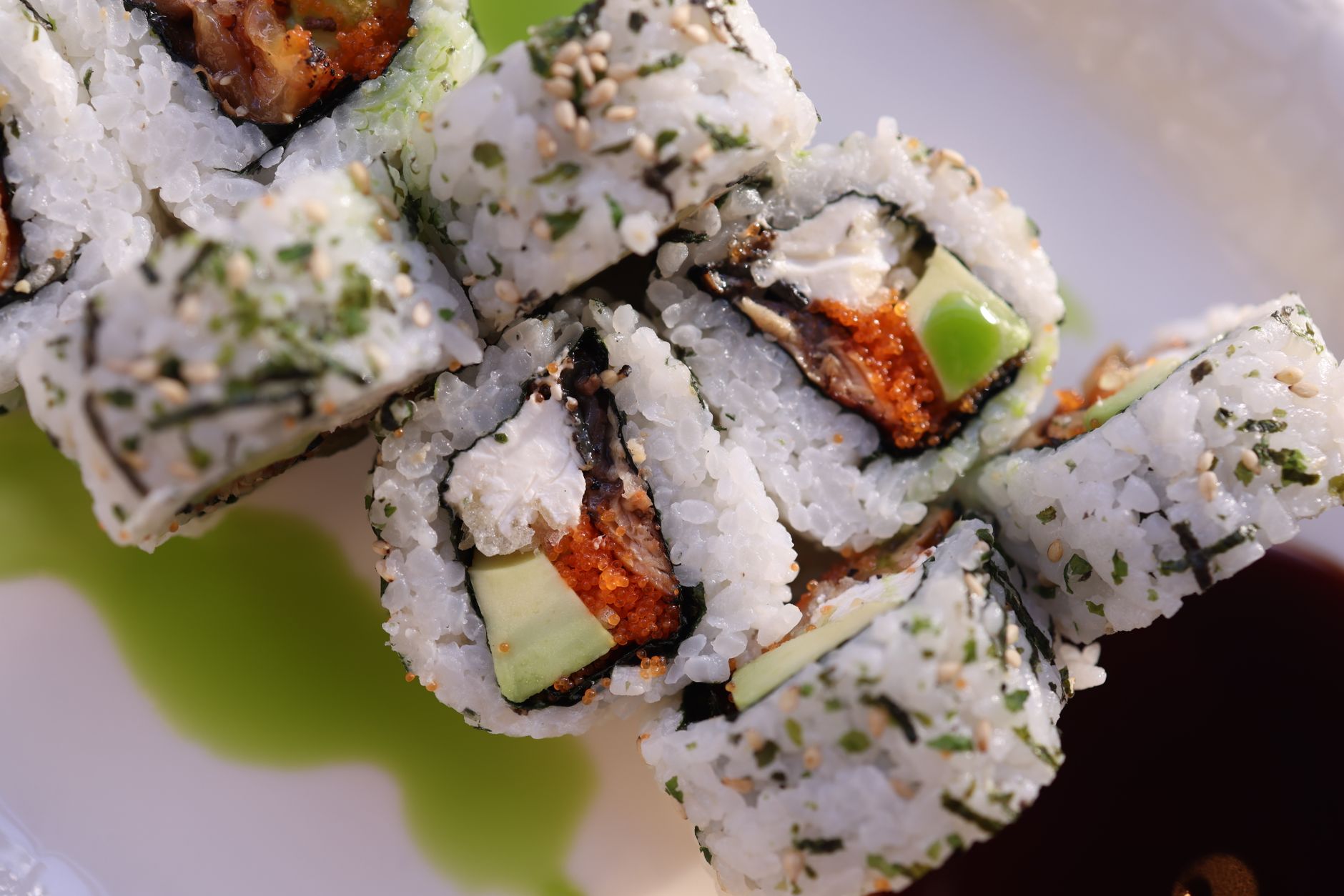
Sushi is a distinctive type of food originating from Japan, beloved worldwide for its fresh ingredients and unique presentation. While many may associate sushi solely with raw fish, it encompasses a wide variety of dishes that include different proteins, vegetables, and rice preparations.
This guide explores the various types of sushi, their flavors, ingredients, and cooking methods, enabling food enthusiasts to appreciate this culinary art fully.
What Type of Food Is Sushi?
Sushi can be classified as a traditional Japanese dish that typically consists of vinegared rice paired with a diverse range of ingredients, including seafood, vegetables, and occasionally tropical fruits. It is the balance of flavors, textures, and the skillful presentation that makes it an admired culinary choice.
Types of Sushi
Sushi comes in several styles, each with its unique preparation method and presentation. Here are some of the most popular types:
Nigiri
Nigiri is a hand-formed oval mound of sushi rice topped with a slice of fish or other protein, sometimes finished with a small dab of wasabi. The rice is typically seasoned with vinegar, giving it a slightly tangy flavor.
Sashimi
Sashimi consists of thinly sliced raw fish or seafood served without rice. It emphasizes the freshness and quality of the fish and is often accompanied by soy sauce, wasabi, and pickled ginger.
Maki
Maki, often simply referred to as sushi rolls, features sushi rice and fillings rolled in a sheet of seaweed (nori). These rolls can be cut into bite-sized pieces, making them an inviting option for sharing. Variations include:
- Hosomaki: Small rolls with a single filling, such as cucumber or tuna.
- Futomaki: Thick rolls with multiple ingredients and fillings.
- Uramaki: Inside-out rolls where the rice is on the outside and nori holds the fillings.
Temaki
Temaki is a hand-rolled cone-shaped sushi made with a piece of nori filled with sushi rice and various ingredients. This style is often served at casual sushi restaurants and is enjoyed as a fun, interactive way to eat sushi.
Chirashi
Chirashi translates to “scattered” and refers to a bowl of sushi rice topped with a variety of sashimi and garnishes. It is a colorful dish that allows for creativity and flexibility in ingredient assortment.
Inari
Inari sushi consists of sushi rice encased in a pocket of lightly sweetened, marinated tofu skin (aburaage). This type of sushi is often served as a vegetarian option and is cherished for its flavor and texture.
Flavors of Sushi
The flavors of sushi are as diverse as its types. Sushi often highlights the fresh and natural taste of its ingredients. Here are some key flavor profiles:
Umami
Umami, known as the “fifth taste,” is a savory flavor often associated with sushi through ingredients such as fish, soy sauce, and seaweed. The combination of these elements creates a deep, satisfying flavor.
Freshness
Freshness is a hallmark of sushi. Depending on the type, the flavors can be mild, subtle, or bold. Sushi chefs prioritize using seasonal and high-quality ingredients, which enhance the dish’s overall flavor.
Sweet and Sour
The vinegar seasoning used in sushi rice lends a balance of sweet and sour notes that complement the other flavors. Many sashimi dishes also incorporate a touch of citrus, contributing to different flavor balances.
Heat
Wasabi adds a spicy kick that enhances sushi’s overall flavor profile. However, the heat level can vary from mild to strong based on the type of wasabi used.
Ingredients in Sushi
While sushi is often associated with fish, versatile combinations and ingredients create endless possibilities. Below is a rundown of primary components used in sushi preparation:
Sushi Rice
The foundation of all sushi, sushi rice is short-grain rice seasoned with a mixture of rice vinegar, sugar, and salt. This sticky consistency is key for shaping nigiri and rolls.
Fresh Seafood
Sushi often features various types of fish, such as tuna, salmon, mackerel, and yellowtail. Sea urchin, octopus, and shrimp are also popular choices. It’s essential to source high-quality, sushi-grade seafood for safety and flavor.
Vegetables
Vegetables can play a central or supportive role in sushi dishes. Common vegetables include cucumber, avocado, pickled radish, and carrots. These ingredients provide texture and flavor diversity.
Seaweed (Nori)
Nori is the dried seaweed used for rolling sushi. It adds flavor and acts as a wrapper, containing the ingredients while also lending a slightly briny taste.
Condiments and Accompaniments
Sushi is often served with soy sauce, wasabi, and pickled ginger (gari). Each of these condiments enhances the taste of the sushi and serves its gastronomic purposes.
Cooking Techniques in Sushi Preparation
The preparation of sushi is an art form that requires precision and skill. Below are essential techniques that sushi chefs often master to create beautiful dishes.
Rice Preparation
To prepare sushi rice, rinsing the rice removes excess starch, resulting in a perfect texture. Once cooked, the rice is cooled and seasoned with vinegar, sugar, and salt. This process is crucial for achieving the right balance of flavor and stickiness.
Fish and Seafood Selection
Choosing high-quality fish is critical for sushi. Sushi chefs often examine the fish’s texture, color, and smell prior to selection. It’s recommended to opt for sushi-grade fish to ensure safety while enjoying raw options.
Presentation
The presentation of sushi is just as important as its preparation. Neatness and visual appeal are critical. Attention to detail, such as slicing fish at the right angle or creating uniform rice mounds, enhances the overall experience.
Common Mistakes in Sushi Making
Creating sushi at home can be rewarding, but there are common pitfalls to avoid:
Improper Rice Cooking
Overcooking or undercooking the rice can ruin sushi’s texture. Pay attention to cooking times and ensure you follow a reliable technique for preparing sushi rice.
Using Low-Quality Ingredients
Using non-sushi-grade fish or stale ingredients compromises flavor and safety. Invest in high-quality, fresh ingredients to elevate your sushi-making experience.
Neglecting Seasoning
Rice seasoning is vital for bringing out the dish’s flavor. Failing to properly season the rice can lead to bland sushi. Make sure to mix in the vinegar solution evenly.
Serving Suggestions for Sushi
Sushi is versatile, and how it is served can enhance the overall dining experience. Consider the following suggestions:
Pairing with Drinks
Sushi pairs well with various beverages. Traditional choices include green tea and sake, while some enjoy the refreshing taste of beer or white wine alongside their sushi meal.
Complementing Dishes
Offering a variety of sushi types can enhance a meal. Include appetizers such as edamame, miso soup, or a simple salad with ginger dressing to create a full dining experience.
Make-Ahead Sushi Preparation
Sushi can be prepared ahead of time, although certain components may not maintain optimal freshness. Here are tips for planning and preparing sushi in advance:
Ingredients Storage
Keep all fresh ingredients, particularly seafood, refrigerated until ready to use. Sushi rice can be cooked in advance but should be kept at room temperature covered to maintain its texture.
Assemble Just Before Serving
Assemble sushi rolls and nigiri shortly before serving for the best texture and flavor. By doing so, you’ll keep the rice fresh and the seafood at its peak.
Storage and Reheating Tips
Proper storage of sushi is essential to maintain quality. Here’s how to handle leftovers safely:
Storing Sushi
Store any leftover sushi in an airtight container in the refrigerator. Consume it within 24 hours to ensure the best quality and safety. Do not freeze sushi to preserve texture and flavor integrity.
Reheating Sushi
It’s not typical to reheat sushi, particularly if it contains raw fish. However, any cooked sushi can be warmed in a microwave for a few seconds. Just be cautious to avoid overheating.
Exploring Sushi Beyond the Plate
Understanding sushi goes beyond ingredients; it includes various cultural insights and practices. Here’s what to know:
Regional Variations
Sushi traditions vary across regions in Japan. For instance, sushi from Osaka often incorporates a pressed style known as pressed sushi, while Edo-style sushi focuses on fresh fish, primarily served as Nigiri.
Modern Sushi Innovations
Contemporary sushi chefs have introduced innovative styles and fusion dishes that incorporate global ingredients, appealing to diverse palates. Examples include the California roll and tempura rolls that blend flavors beyond traditional norms.
Conclusion
Sushi is a versatile culinary art that offers an array of flavors and presentation styles, appealing to many food lovers. By understanding the various types of sushi, their ingredients, and preparation techniques, enthusiasts can enjoy sushi at home or in restaurants alike. Whether you are trying your hand at making sushi or simply indulging in your favorite rolls at a sushi bar, appreciating this dish enriches your overall culinary experience.
If you’re curious about chicken liver or want to explore the unique taste of crab, check out these links: What Is Chicken Liver Good For You? and What Does Crab Taste Like?.