
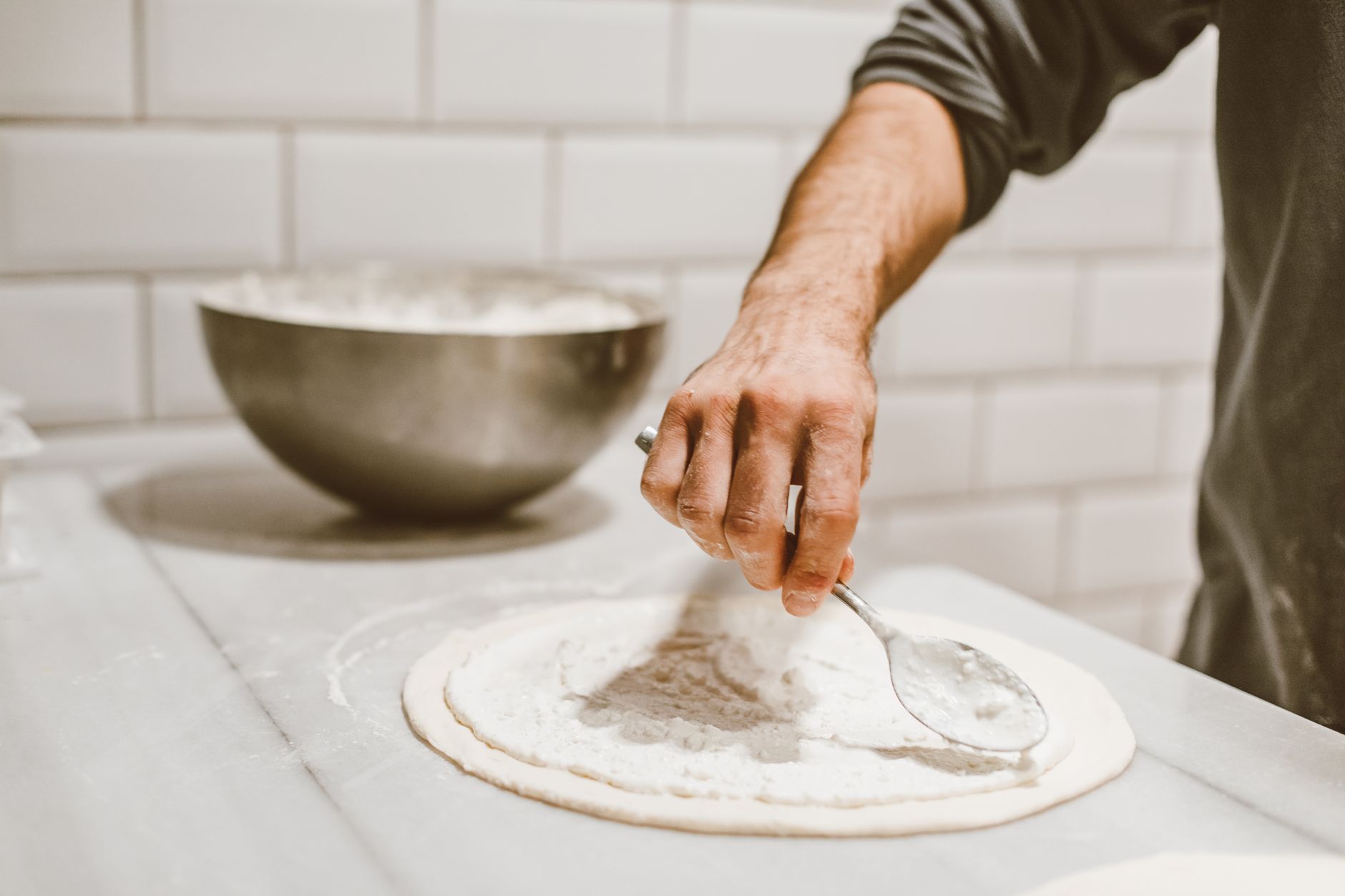
When it comes to making pizza, the foundation often starts with a great sauce. Pizza sauce not only adds essential flavor but also helps create a delicious base for your toppings. This article will explore various options for pizza sauce, from classic styles to quick alternatives, providing recipes and serving tips for every pizza lover.
Understanding what to use for pizza sauce can transform your homemade pizza experiences. Whether you prefer a traditional marinara or something unique, there’s a pizza sauce option suitable for every palate.
What to Use for Pizza Sauce?
The choice of pizza sauce largely depends on personal preference and the type of pizza being made. Traditional options include tomato-based sauces, while alternatives like pesto and barbecue sauces provide different flavor profiles. Fresh ingredients, pantry staples, and unique combinations can elevate your pizza creations. Here, we’ll explore various types of sauces you can use for pizza, including recipes and tips for making them at home.
Classic Tomato-Based Pizza Sauce
The most traditional choice for pizza sauce is a rich, savory tomato-based sauce. Its flavor can range from sweet to tangy, and it provides the perfect base for classic toppings like mozzarella, pepperoni, and vegetables.
Ingredients
- 1 can (28 ounces) of whole peeled tomatoes or crushed tomatoes
- 2 tablespoons olive oil
- 2 cloves garlic, minced
- 1 teaspoon dried oregano
- 1 teaspoon dried basil
- 1/2 teaspoon salt
- 1/4 teaspoon black pepper
- 1 teaspoon sugar (optional)
Preparation Steps
- In a saucepan over medium heat, heat the olive oil.
- Add minced garlic and sauté for 1-2 minutes until fragrant, being careful not to scorch it.
- Pour in the tomatoes and break them up with a spoon if using whole tomatoes.
- Add oregano, basil, salt, pepper, and sugar if desired.
- Simmer the sauce for 20–30 minutes until it thickens. Stir occasionally to prevent sticking.
- Allow to cool before spreading on your pizza dough.
Variations and Tips
For a spicier kick, consider adding red pepper flakes. For a smoother sauce, blend the mixture after cooking. If looking to save time, using high-quality canned pizza sauce or marinara can be quite effective.
Quick No-Cook Pizza Sauce
If you’re in a hurry, no-cook pizza sauces are a fantastic option. These sauces are fresh, easy to prepare, and retain vibrant flavors.
Ingredients
- 1 can (15 ounces) of tomato sauce or pizza sauce
- 1 teaspoon garlic powder
- 1 teaspoon dried oregano
- 1 teaspoon dried basil
- Salt and pepper to taste
Preparation Steps
- In a bowl, combine the tomato sauce, garlic powder, oregano, and basil.
- Season with salt and pepper to taste.
- Mix well and spread directly onto pizza dough.
Serving Tips
This quick sauce pairs well with light toppings such as fresh mozzarella and basil. Since it’s uncooked, using fresh herbs can enhance the flavor further.
Pesto Sauce for Pizza
Pesto sauce provides a vibrant, herbaceous alternative to traditional tomato sauces. It works wonderfully with toppings like chicken, ricotta, and various vegetables.
Ingredients
- 2 cups fresh basil leaves
- 1/2 cup grated Parmesan cheese
- 1/2 cup olive oil
- 1/3 cup pine nuts or walnuts
- 2 cloves garlic, minced
- Salt to taste
Preparation Steps
- In a food processor, combine the basil, garlic, nuts, and Parmesan cheese. Pulse until finely chopped.
- Slowly add olive oil while the processor is running until the mixture reaches desired consistency.
- Season with salt to taste.
- Spread the pesto sauce on the pizza dough and add your favorite toppings.
Storage and Usage Tips
Pesto can be stored in an airtight container in the refrigerator for up to a week. It also freezes well if you want to make a large batch ahead of time. Just remember to drizzle a little olive oil on top before sealing to prevent browning.
Barbecue Sauce Pizza
Barbecue sauce adds a smoky flavor perfect for creating barbecue chicken pizza or unique flavor combinations with vegetables and meats.
Ingredients
- 1 cup BBQ sauce (store-bought or homemade)
- 1 cup cooked shredded chicken (optional)
- 1/2 cup red onion, sliced
- 1 cup mozzarella cheese, shredded
- Fresh cilantro for garnish (optional)
Preparation Steps
- Spread the BBQ sauce evenly over the pizza dough.
- Add shredded chicken and red onion on top.
- Sprinkle mozzarella cheese evenly over the toppings.
- Bake in a preheated oven at 475°F (245°C) for 12–15 minutes until the crust is golden and cheese is bubbly.
- Garnish with fresh cilantro before serving.
White Pizza Sauce
A white pizza sauce, often referred to as a béchamel or Alfredo sauce, offers a creamy texture that pairs beautifully with spinach, ricotta, and mushrooms.
Ingredients
- 2 tablespoons butter
- 2 tablespoons all-purpose flour
- 1 cup milk
- 1/2 cup grated Parmesan cheese
- 1 teaspoon garlic powder
- Salt and pepper to taste
Preparation Steps
- In a saucepan, melt the butter over medium heat.
- Add flour and whisk continuously for about 1 minute to create a roux.
- Slowly add milk while whisking to prevent lumps. Cook until slightly thickened.
- Stir in Parmesan cheese, garlic powder, salt, and pepper. Remove from heat.
- Spread the creamy sauce onto the pizza dough and top with desired ingredients.
Serving Suggestions
This sauce complements toppings like artichokes, spinach, and various cheeses, creating a rich and flavorful pizza option.
Other Unique Pizza Sauce Ideas
Sometimes, stepping outside the box can lead you to remarkable flavors. Consider these alternative sauces to tantalize your taste buds.
Hummus Pizza Sauce
- Using hummus as a base can offer a delicious, creamy texture to your pizza. Pair it with toppings like roasted vegetables or feta cheese.
Hot Sauce or Buffalo Sauce
- If you love heat, consider using hot sauce as a base or mixing it with your favorite tomato sauce for zing. It pairs well with chicken or a spicy veggie pizza.
Ranch Dressing
- Spread ranch dressing over your dough for a creamy alternative. Great for topping with bacon, chicken, and fresh green onions.
Practical Considerations for Pizza Sauce
When selecting or making your pizza sauce, consider the following factors to achieve the best results:
Flavor Balance
The flavors of your sauce should balance well with the toppings. For instance, sweeter sauces go well with salty or spicy toppings, while acidic sauces pair nicely with white cheeses.
Consistency
A well-balanced consistency is vital; a sauce that is too watery can undermine the crust, while a sauce that is too thick may not spread easily. Aim for a spreadable sauce that won’t make the pizza soggy.
Storage and Reheating
Store leftover pizza sauce in an airtight container in the fridge for up to a week or freeze it for longer storage. Reheat gently on the stove or in the microwave, ensuring it’s distributed evenly before using it again.
Common Mistakes to Avoid
When preparing your pizza sauce, avoid these common pitfalls to ensure success:
- Using low-quality canned tomatoes: High-quality, juicy tomatoes can elevate a simple sauce.
- Overcooking the sauce: Simmering too long may lead to overly concentrated flavors that may not blend well with your toppings.
- Forgetting to season: Taste and adjust your sauce’s flavor with salt, pepper, and spices at the end of cooking.
Conclusion
Choosing the right pizza sauce can greatly enhance your homemade pizza experience. With options ranging from classic tomato sauce to flavorful alternatives like pesto and barbecue, your creativity can know no bounds.
Next time you’re preparing pizza night, experiment with these various sauces to discover what you love most! Feel free to check out these related recipes for further inspiration: Pomodoro Sauce Recipe and Pizza Rustica Recipe.