
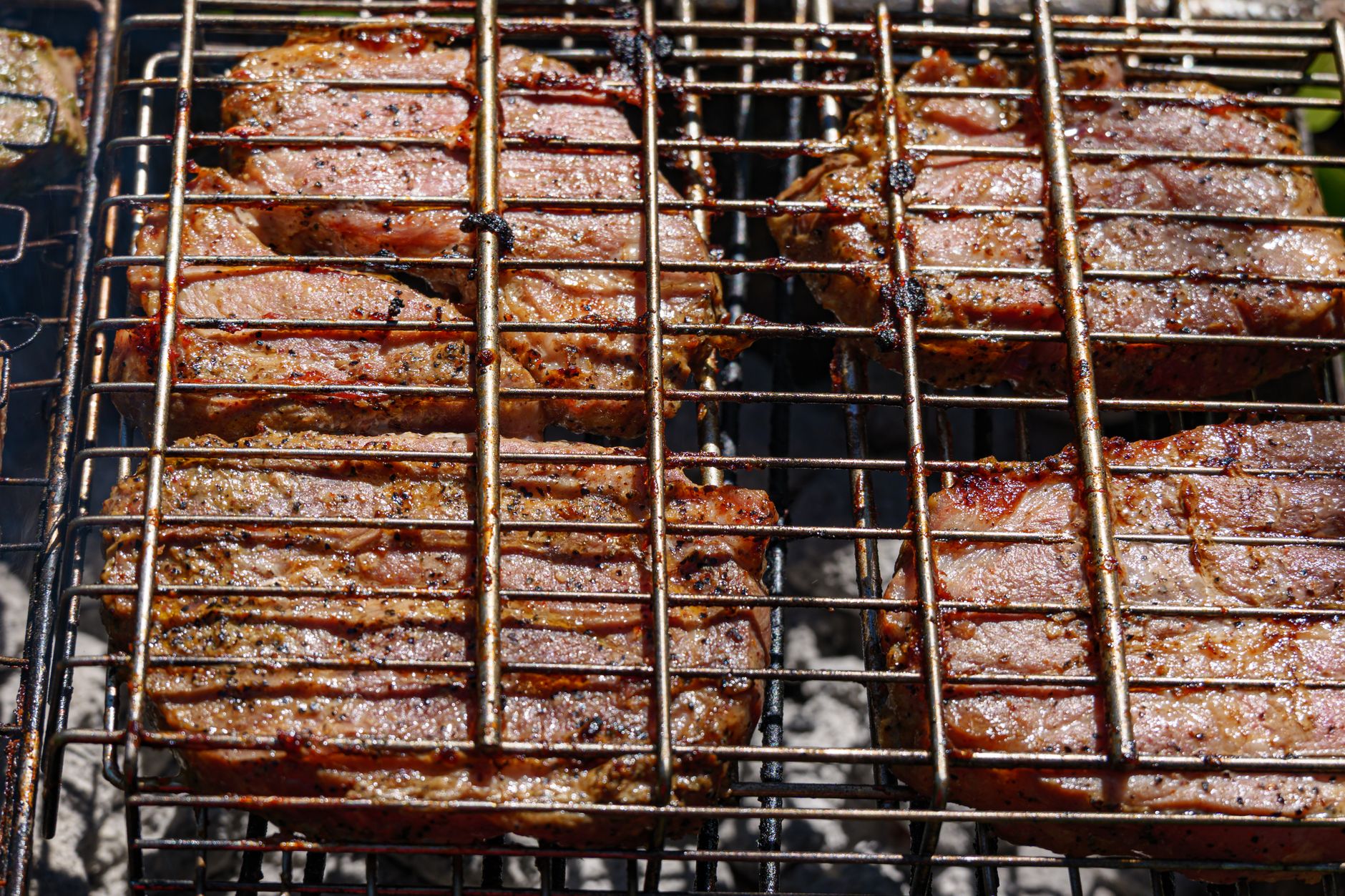
Steak is a beloved dish that boasts rich flavors and a satisfying texture, but the key to enhancing its natural juiciness lies in the seasoning. Knowing what to season steak with can elevate your cooking experience, whether you’re grilling, pan-searing, or broiling. From simple salt and pepper to complex spice blends, the right seasonings can bring out the best in your steak.
This article explores various seasoning options for steak, the ideal preparation and timing, and serving suggestions that enhance the dish. Read on to discover how to make your steak a culinary delight!
What to Season Steak With?
When it comes to seasoning steak, the essentials are generally salt and pepper, but there are additional spices, herbs, and marinades that can be added for more flavor. The best combination depends on the cut of beef, cooking method, and personal preference.
Why Seasoning is Important
Seasoning steak is crucial for enhancing its natural flavor. Good seasoning makes the meat not only taste better but also helps form a delicious crust when cooked, locking in juices and keeping the meat tender. Proper seasoning balances the richness of the steak, allowing it to stand out in dishes. Over-seasoning can overshadow the meat’s flavor, while under-seasoning can leave it bland. Striking the right balance is necessary for delicious results.
Basic Seasoning Options
Whether using a basic or more sophisticated approach to seasoning, the essence of steak preparation begins with a few staples. Here are the most common options:
- Salt: Kosher salt or sea salt enhances the flavor without overwhelming the meat. It also aids in creating a crust.
- Freshly Ground Black Pepper: Provides a level of heat and a bold flavor that complements steak nicely.
- Garlic Powder: Adds an aromatic depth and is ideal for those who enjoy the flavor but may not want fresh garlic.
- Onion Powder: Sweetens and enhances the umami flavor of the meat, adding a mild onion flavor.
Herb and Spice Blends
For those looking to explore further, a variety of herbs and spice blends can be wonderfully effective when seasoning steak. Here are some flavorful options:
Classic Herb Combinations
- Rosemary: Its strong, aromatic flavor pairs well with beef, enhancing the dish’s earthiness.
- Thyme: Offers a subtle, slightly minty flavor that complements juicy steaks.
- Parsley: Adds freshness and brightens the flavors, often used as a garnish as well.
Spice Blends
- Montreal Steak Seasoning: A blend of garlic, coriander, and various spices, it adds a robust flavor characteristic of Canadian culinary traditions.
- Chimichurri Seasoning: An Argentine favorite that incorporates parsley, oregano, and garlic, ideal for marinating steak.
- BBQ Rubs: Various spice mixture blends often include paprika, brown sugar, and chili powder, perfect for grilling steak.
Marinades and Wet Seasoning
Marinating steak is not only a practical way to add flavor but also to tenderize the meat. A good marinade can add acidity, sweetness, and spices that permeate the steak. The key components of an effective marinade are:
- Acidic Component: Options include vinegar, citrus juice (like lemon or lime), or yogurt. Acid helps break down proteins and tenderizes the meat.
- Oil: Allows seasonings to stick to the meat and aids in cooking by forming a barrier against moisture loss.
- Flavor Agents: Ingredients like garlic, herbs, onions, and spices add depth and complexity to the flavor profile.
Making Marinades
Here’s a simple guideline for creating a great marinade:
- Choose an acidic base (about 1 cup).
- Add equal parts of oil (about ½ cup).
- Mix in seasonings of your choice, herbs, garlic, and spices (2-3 tablespoons each).
- Combine thoroughly in a bowl or sealable plastic bag.
- Add the steak to the marinade, ensuring even coverage, and marinate for at least 30 minutes or up to 24 hours for maximum flavor.
Timing: When to Season Your Steak
Timing is crucial when it comes to seasoning your steak:
- Before Cooking: For basic seasoning, sprinkle salt and pepper just before cooking to allow the flavors to penetrate.
- Marination Time: For marinades, consider the cut of steak. Thinner cuts like flank or skirt steak can marinate for 30 minutes to 2 hours, while thicker cuts can be marinated for several hours or overnight.
Cooking Techniques and Their Impact on Seasoning
The method you use to cook steak can affect how you season it. Here are some common techniques and tips:
Grilling
Grilling steaks is a popular way to bring out their natural flavors. With high heat, it’s recommended to season generously with salt and pepper just before placing the steak on the grill. Consider a marinade to amplify the taste.
Pan-Seering
For pan-searing, season the steak right before cooking for maximum flavor. A cast-iron skillet can help achieve that perfect crust if it’s heated adequately. Add butter and herbs during the last moments of cooking to create a flavorful baste.
Broiling
When broiling, similar to grilling, apply seasoning just before cooking. The high temperature will help develop a crispy exterior and retain the meat’s juicy interior.
Common Mistakes When Seasoning Steak
Learning to season steak can be trial and error. Here are some common mistakes to avoid:
- Over-Salting: Using too much salt can overpower the meat’s natural flavor. Start light and adjust as needed.
- Incorrect Timing: Salting too far in advance can draw out moisture from the meat, affecting its juiciness.
- Ignoring Quality: Using cheap spices and unseasoned oils can affect the overall flavor; quality matters.
Serving Suggestions
Once your steak is seasoned and cooked, serving it well enhances the dining experience. Here are some ideas:
- Sauces: Pair your steak with classic sauces like chimichurri, béarnaise, or a good steak sauce for added flavor.
- Sides: Complement your steak with roasted vegetables, mashed potatoes, or a refreshing salad to create a balanced meal.
- Garnishes: Fresh herbs, lemon slices, or compounded butter can elevate the visual appeal and flavors.
Storage and Reheating Tips
Proper storage and reheating keep your steak enjoyable for leftovers. Here’s how:
- Storage: Refrigerate cooked steak in an airtight container for 3-4 days. For longer storage, consider freezing, where it’s best used within 3 months.
- Reheating: To preserve juiciness, reheat in an oven at a low temperature or on a stovetop with a little broth or oil.
Conclusion and Next Steps
Selecting the right seasonings can transform a simple steak dinner into a gourmet experience. Whether you’re opting for a simple salt and pepper blend or a robust marinade, the right approach makes all the difference in flavor and texture. Consider experimenting with various seasonings, cooking techniques, and serving options to find what you enjoy most.
What are you waiting for? Explore more seasoning ideas and get started on your next steak masterpiece! For further seasoning inspiration, check out our steak seasoning recipe or learn about making Montreal steak seasoning.