
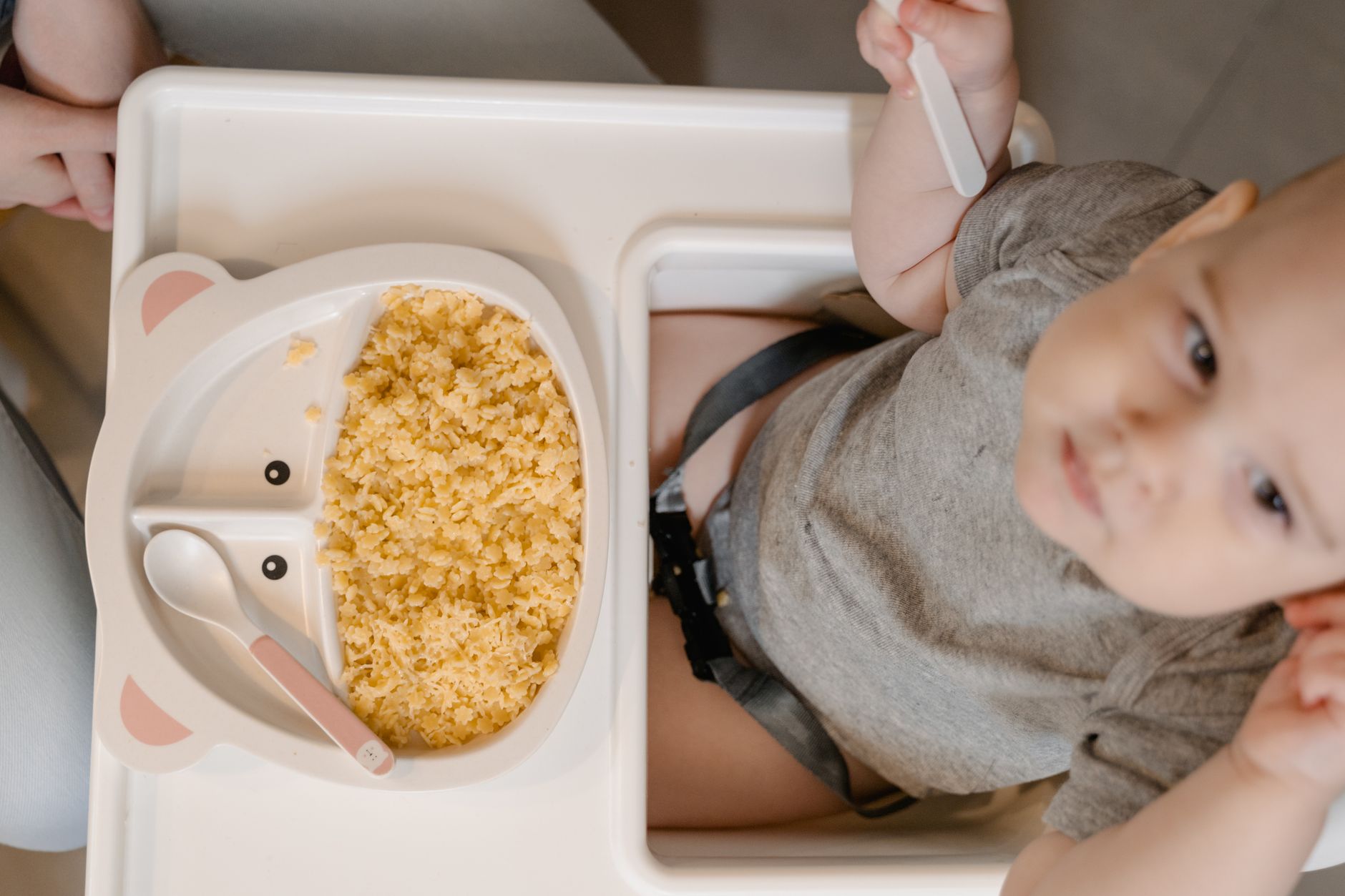
Finding the right foods to feed a one-year-old can be both exciting and daunting. This is a time when toddlers are often ready to explore a wider variety of textures and flavors outside of just breast milk or formula. Parents can introduce solid foods that are not only nutritious but also enjoyable for their little ones.
Understanding what to feed your one-year-old will help ensure they receive essential nutrients while encouraging adventurous eating habits. This guide will cover a range of suitable foods, portion sizes, meal ideas, and tips for introducing new flavors to your toddler.
What to Feed One Year Old?
At one year old, a toddler’s diet should include a variety of foods that provide essential nutrients for growth and development. Offer a mix of fruits, vegetables, grains, protein sources, and dairy to ensure a balanced diet. Aim for small, manageable portions, and always supervise while eating.
Essential Food Groups for One-Year-Olds
At this age, a well-rounded diet should consist of several food groups:
- Fruits: Offer a variety of fresh, ripe fruits. Cut them into small, bite-sized pieces for easy handling.
- Vegetables: Cooked vegetables can be soft and easy to chew. Try steaming or roasting for better flavor.
- Grains: Include whole grains like oats, brown rice, quinoa, and whole-grain bread.
- Protein: Incorporate diverse protein sources, such as lean meats, poultry, fish, beans, and eggs.
- Dairy: Introduce full-fat milk, yogurt, and cheese to support growth.
Sample Meal Ideas for Your One-Year-Old
Here are some simple meal ideas that include a mix of food groups suitable for a one-year-old:
Breakfast
- Oatmeal: Cooked oats topped with mashed banana or pureed fruit.
- Pancakes: Small whole-grain pancakes served with yogurt or applesauce. Explore gluten-free options as needed.
- Scrambled Eggs: Soft scrambled eggs mixed with tiny diced vegetables like spinach or tomatoes.
Lunch
- Vegetable Soup: Pureed or chunky soup with small pieces of soft-cooked vegetables and beans.
- Grain Bowl: Quinoa or brown rice mixed with shredded chicken or fish and steamed vegetables.
- Toast with Avocado: Whole-grain bread topped with mashed avocado and a sprinkle of cheese.
Dinner
- Mini Meatballs: Ground turkey or chicken meatballs served with soft-cooked pasta.
- Stir-Fry: Small pieces of soft-cooked assorted vegetables with tofu or chicken, served with rice.
- Fish: Soft, flaky fish like salmon or cod, served with steamed carrots and peas.
Snacks
- Fruit Fingers: Small slices of bananas, berries, or soft pears.
- Yogurt: Plain yogurt with mashed fruit mixed in for flavor.
- Cheese Cubes: Bite-sized pieces of soft cheese like mozzarella.
Portion Sizes for One-Year-Olds
Understanding proper portion sizes is essential for feeding a one-year-old. Generally, servings should be small and manageable. Here are some general guidelines:
- Fruits and Vegetables: About 1/4 cup, cut into small pieces.
- Grains: 1/4 to 1/2 cup of cooked grains.
- Protein: 1 to 2 ounces, such as a small piece of chicken or a few tablespoons of beans.
- Dairy: About 1/2 cup of yogurt or milk.
Introducing New Foods and Flavors
Exposure to a variety of flavors early on can help develop your child’s palate. Here are effective strategies for introducing new foods:
- One at a Time: Introduce new foods one at a time to monitor for any potential allergic reactions.
- Mixing Flavors: Combine familiar favorites with new ingredients to ease the transition.
- Persistence: Offer new foods several times, even if your toddler initially refuses them.
Safety Tips While Feeding a One-Year-Old
Feeding a one-year-old comes with certain safety considerations. Here are some critical tips:
- Supervise Meals: Always supervise your child while eating to prevent choking hazards.
- Cut Food Appropriately: Cut food into small, manageable pieces to help prevent choking.
- Avoid Certain Foods: Foods such as whole grapes, nuts, hard candy, and popcorn should be avoided.
Common Food Allergies to Watch For
As your one-year-old starts eating a broader range of foods, be mindful of common allergens. These include:
- Eggs
- Peanut Butter
- Dairy Products
- Soy
- Wheat
If there is a family history of allergies, consult a pediatrician before introducing these foods.
Meal Planning Strategies
Meal planning can make feeding your one-year-old more manageable. Here are some strategies to consider:
- Prep in Advance: Cook larger batches of food to refrigerate or freeze for quick meals.
- Mix and Match: Create meals that use similar ingredients to reduce waste and keep meals varied.
- Keep It Simple: Focus on uncomplicated recipes that are easy to prepare.
Easy Recipes for One-Year-Olds
Below are a couple of straightforward recipes that are nutritious and perfect for one-year-olds.
Mashed Sweet Potatoes
This smooth and healthy dish is rich in vitamins and can be seasoned to taste. Yield: 4 servings. Total time: 20 minutes.
- 2 medium sweet potatoes, peeled and cubed
- 1 tablespoon unsalted butter (or olive oil)
- Optional: a pinch of cinnamon or nutmeg
- Boil sweet potatoes in a pot of water until tender, about 15 minutes.
- Drain and return to pot.
- Add butter and mash until smooth or desired consistency is reached.
- Season with cinnamon or nutmeg if desired. Serve warm.
Mini Banana Oat Muffins
These muffins are soft, tasty, and perfect for little fingers. Yield: 12 muffins. Total time: 30 minutes.
- 2 ripe bananas, mashed
- 1 cup rolled oats
- 1/2 cup whole milk or a non-dairy alternative
- 1/4 cup applesauce
- 1 teaspoon baking powder
- Preheat the oven to 350°F (175°C) and line a muffin tin with liners.
- In a mixing bowl, combine mashed bananas, oats, milk, applesauce, and baking powder.
- Stir until well combined and fill muffin cups about 2/3 full.
- Bake for 15–20 minutes until a toothpick inserted comes out clean. Cool before serving.
Storage and Reheating Guidelines
Proper storage will help maintain the quality of the foods prepared for your toddler:
- Store any leftovers in airtight containers in the refrigerator for up to three days.
- For longer storage, freeze portions in freezer-safe containers for up to three months.
- When reheating, ensure food is heated thoroughly to a safe temperature and cooled adequately before serving.
Feeding a one-year-old doesn’t have to be overwhelming. By introducing a variety of nutritious foods, keeping meals simple, and practicing safety, you can set the stage for a positive eating experience that nurtures healthy habits for a lifetime. Always consult a pediatrician for personalized dietary advice, especially when considering allergies and health conditions.
Ready to explore more delicious options? Check out our Chia Pudding Recipe for a nutritious snack or dessert, and discover our Dairy-Free Pancake Recipe for a versatile breakfast option.