
Stomach pain can be uncomfortable and distracting. Finding the right foods to eat during this time can help soothe your digestive system and promote healing. This article offers practical guidance on what to eat for stomach pain, including gentle side dishes and pairings that are easy on the stomach.
Incorporating specific foods can alleviate discomfort while avoiding those that may aggravate the digestive tract. Whether you’re dealing with gastritis, indigestion, or a stomach virus, this guide will help you navigate your food choices wisely.
What to Eat for Stomach Pain?
When you experience stomach pain, it’s crucial to choose foods that are easy to digest and can help reduce inflammation or irritation. Focus on bland, low-fiber options that will not upset your stomach further. Items such as bananas, rice, applesauce, and toast (often referred to as the BRAT diet) are ideal. Additionally, herbal teas and broths can offer comfort.
Understanding Stomach Pain
Stomach pain can arise from various causes, including overeating, indigestion, heartburn, or gastrointestinal infections. Understanding your symptoms can help you make informed food choices.
- Indigestion: Often accompanied by bloating, gas, or heartburn, opt for low-fat, easily digestible foods.
- Gastritis: An inflamed stomach lining may require you to avoid spicy, fatty, or acidic foods.
- Stomach flu: Viral infections can warrant a bland diet until recovery.
Gentle Foods to Alleviate Stomach Discomfort
Here are some of the best foods and drinks to consume when dealing with stomach pain:
1. Bananas
Bananas are not only easy to digest but also provide potassium, an essential mineral that can help restore electrolytes lost during digestive distress.
- Choose ripe bananas, which are softer and gentler on the stomach.
- Bananas can be eaten plain, mashed, or blended into smoothies.
2. Rice
White rice is bland and unlikely to irritate your stomach, making it a great staple when dealing with stomach issues.
- Cook rice in plenty of water to soften it even further.
- Consider adding a pinch of salt for taste without adding spices.
3. Applesauce
Applesauce is a gentler form of apple intake, retaining pectin, which can help firm up stools.
- Choose unsweetened applesauce to avoid excess sugar that might exacerbate discomfort.
- It can be consumed alone or used as a topping for rice or toast.
4. Toast
Plain white or whole-grain toast is a classic option for an upset stomach.
- Opt for lightly toasted bread to make it easier to chew and digest.
- Avoid butter or jam if they upset your stomach; consider topping with a little apple butter or peanut butter if tolerated.
5. Herbal Teas
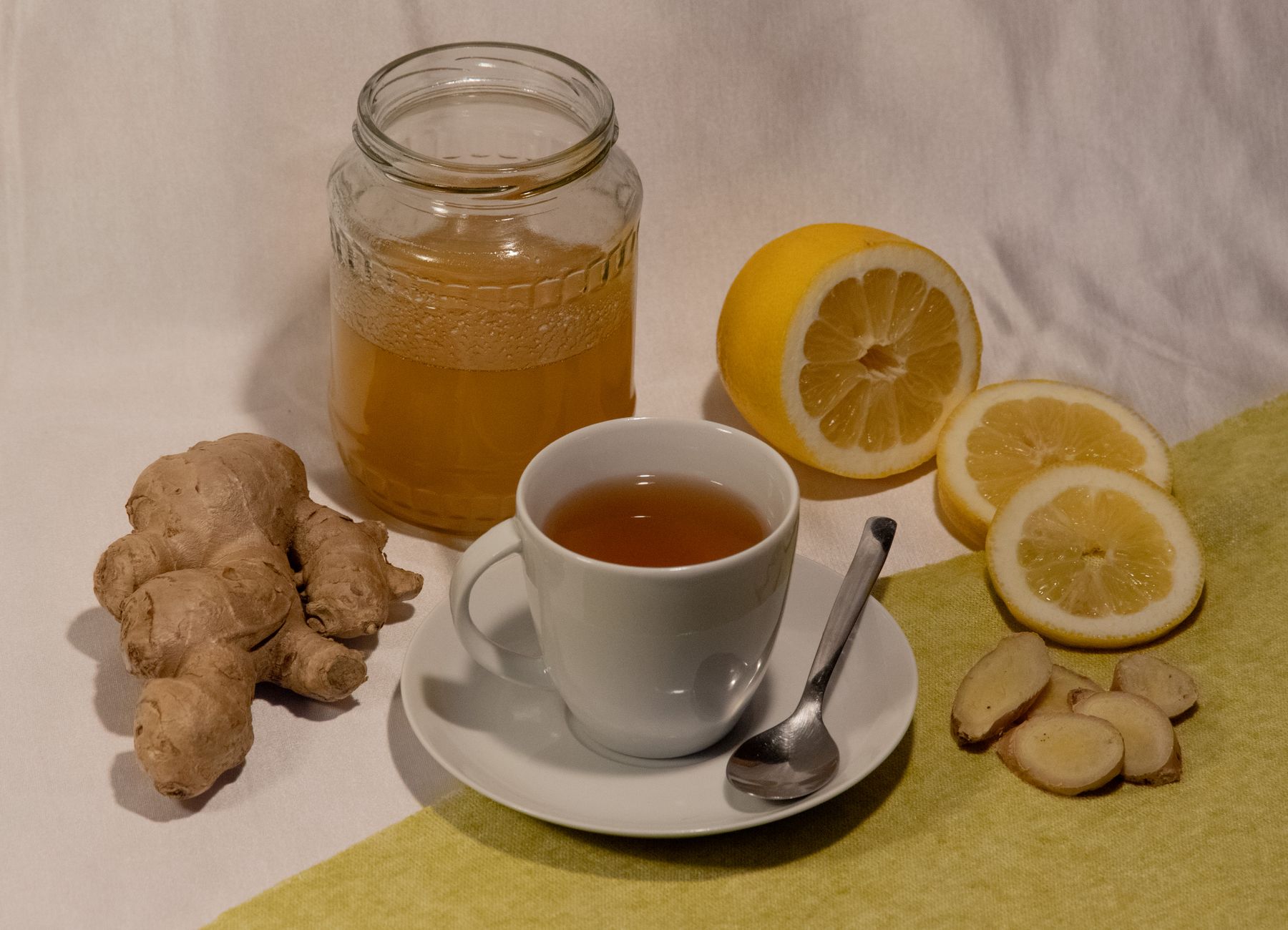
Herbal teas such as ginger or peppermint can soothe your digestive system.
- Ginger tea can help reduce nausea and support functional digestion.
- Peppermint tea may help relieve gas and bloating.
6. Broth
Clear broths are nourishing and hydrating, especially if you’ve lost fluids due to vomiting or diarrhea.
- Chicken or vegetable broth can be consumed alone or used as a base for soups.
- Add soft vegetables like carrots or potatoes to enhance the broth’s nutritional value without overwhelming your stomach.
Simple Side Dishes and Pairings
To further help soothe your stomach, consider these easy-to-prepare side dishes and pairings that complement the main bland foods discussed.
1. Oatmeal
Oatmeal is another comforting option that provides soluble fiber, which can regulate bowel movements.
- Cook oatmeal with water or milk, adopting a consistency that’s easy to digest.
- Sweeten minimally, if desired, with honey or i use bananas for flavor.
2. Steamed Vegetables
Cooking vegetables until soft makes them gentler on the stomach.
- Choose low-fiber options like carrots, zucchini, and squash.
- Steam until tender, avoiding spices and strong seasonings.
3. Mashed Potatoes
Plain mashed potatoes provide carbohydrates and can be comforting during stomach distress.
- Prepare with a little water or milk, omitting butter and garlic.
- Ensure they are smooth and free from lumps to ease digestion.
4. Cooked Chicken or Fish
Lean proteins like chicken and fish can be included once stomach symptoms begin to improve.
- Choose grilling or boiling methods and avoid frying or heavy seasonings.
- Serve plain or with a hint of lemon for flavor.
5. Yogurt
If lactose is not a concern, plain yogurt can help restore gut flora, especially if it contains live active cultures.
- Choose unsweetened varieties and avoid flavored yogurts that contain added sugars.
- Yogurt can be paired with bananas or a spoonful of applesauce.
Foods to Avoid During Stomach Pain
Equally important is knowing what foods to steer clear of when experiencing stomach pain. Foods that can exacerbate symptoms include:
- Fatty Foods: Greasy or fried foods can increase stomach irritation.
- Spicy Foods: These can lead to inflammation and discomfort.
- Caffeinated Beverages: Coffee and other caffeinated drinks can stimulate acid production.
- High-Fiber Foods: Raw vegetables, whole grains, and legumes can be too harsh on a delicate system.
- Dairy Products: Some people may experience increased bloating or discomfort from lactose.
Practical Tips for Eating with Stomach Pain
Eating strategies are as crucial as the foods themselves. Consider these tips to make mealtime easier during a bout of stomach pain:
- Smaller Portions: Consume smaller, more frequent meals to reduce the load on your digestive system.
- Chew Thoroughly: Taking your time to chew well can facilitate easier digestion.
- Stay Hydrated: Drink clear fluids like water or herbal teas to maintain hydration.
- Avoid Lying Down: Remain upright after eating for at least 30 minutes to prevent reflux.
- Monitor Your Body: Pay attention to how your body responds to foods and adjust your choices.
Delicious Recipes for Stomach Pain Relief
If you’re looking to combine some of the gentle foods mentioned earlier, here are a couple of simple recipes that utilize these comforting ingredients.
Ginger Chicken Broth
This soothing broth is easy to make and gentle on the stomach while packing flavor. Yield: 4 servings. Preparation time: 15 minutes. Cooking time: 30 minutes. Total time: 45 minutes.
Ingredients:
- 1 tablespoon olive oil
- 2 chicken breasts, boneless and skinless
- 1-inch piece of ginger, sliced
- 4 cups water or low-sodium chicken broth
- 1 carrot, sliced
- Salt and pepper to taste
Essential Equipment:
- Large pot
- Sharp knife
- Cutting board
- Measuring cups
Method:
- In a large pot, heat the olive oil over medium flame.
- Add the chicken breasts and cook until browned, about 5 minutes.
- Add ginger, water or broth, and carrot; bring to a boil.
- Reduce heat, cover, and simmer for 30 minutes until chicken is cooked thoroughly.
- Remove chicken, shred it, and return it to the pot. Season to taste and serve warm.
Banana Applesauce Oatmeal
This oatmeal recipe is comforting and incorporates ingredients that are gentle on the stomach. Yield: 2 servings. Preparation time: 5 minutes. Cooking time: 10 minutes. Total time: 15 minutes.
Ingredients:
- 1 cup rolled oats
- 2 cups water or low-fat milk
- 1 ripe banana, sliced
- 1/2 cup unsweetened applesauce
- Honey (optional)
Essential Equipment:
- Medium saucepan
- Wooden spoon
- Bowl for serving
Method:
- In a medium saucepan, bring water or milk to a boil.
- Add rolled oats and reduce heat; simmer for 5 minutes, stirring frequently.
- When the oatmeal reaches your desired consistency, stir in sliced bananas and applesauce.
- Sweeten with honey if preferred and serve warm.
When to Seek Medical Advice
While dietary changes can alleviate mild stomach discomfort, it’s crucial to consult a healthcare professional if you experience:
- Severe or recurrent pain
- Persistent vomiting or diarrhea
- Signs of dehydration
- Blood in stool or vomit
Listening to your body is essential; don’t ignore persistent issues, as they may point to underlying conditions.
Storage and Reheating Tips
For prepared foods, take care of proper storage to maintain freshness:
- Store leftovers in airtight containers in the refrigerator for up to three days.
- Reheat broths and oatmeal over low heat, adding a splash of water or broth to maintain moisture.
When dealing with stomach pain, be patient with your body and allow it to heal. Each person’s response to foods may vary, so take notes on what works for you.
To explore more recipes that support digestive wellness, consider looking into what to eat after vomiting or what to eat to lose belly fat. Both guides provide practical, comforting food options that can aid in recovery.