
Preparing for a marathon is not only about training and physical conditioning but also significantly revolves around your diet, especially the day before the event. Nutrition plays a critical role in fueling your performance, and understanding what to eat the day before a marathon can make all the difference.
Choosing the right foods helps ensure that your body is well-fueled, hydrated, and ready to take on the challenge. Here, we’ll explore what foods are best to consume, their benefits, and how you can effectively prepare meals to set yourself up for success.
What to Eat Day Before Marathon?
The day before a marathon, focus on consuming easily digestible, carbohydrate-rich foods. These foods will proper fuel your muscles, maintain energy levels, and optimize performance. Aim for complex carbohydrates, lean proteins, and healthy fats while avoiding heavy, greasy meals that can disrupt digestion.
Why is Nutrition Important Before a Marathon?
Nutrition is vital the day before a marathon for several reasons. It helps to:
- Store Glycogen: Carbohydrates are stored in the muscles and liver as glycogen, which your body uses as quick energy during the marathon.
- Prevent Dehydration: Staying hydrated ensures optimal muscle function and can help prevent cramps and fatigue during the race.
- Support Recovery: Nutrient-rich meals can aid in muscle recovery and reduce soreness after the event.
Foods to Eat the Day Before Marathon
Here’s a breakdown of the best food options you should consider the day before your marathon:
Complex Carbohydrates
Complex carbohydrates provide sustained energy and help maximize glycogen stores. Include the following options:
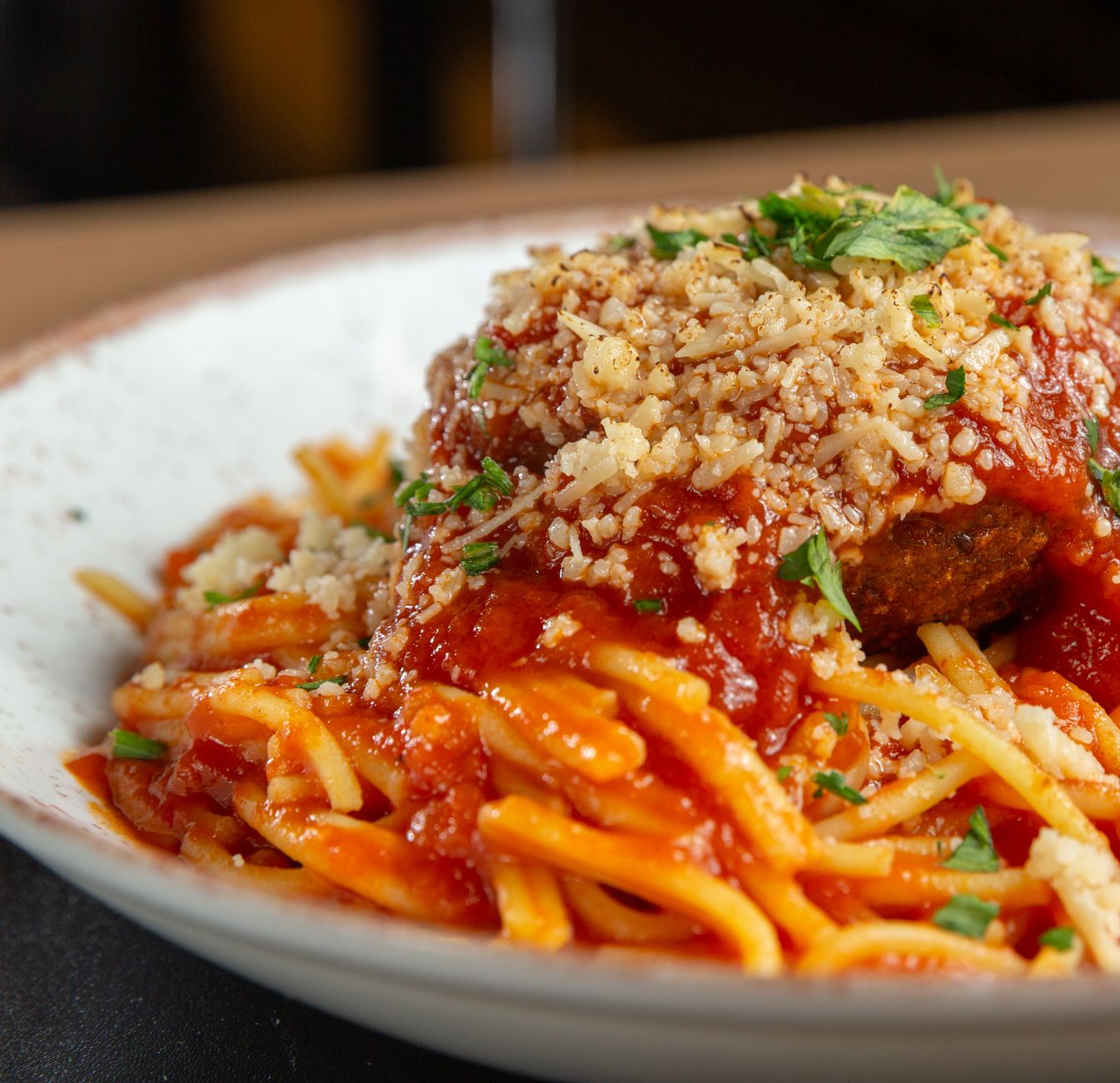
- Pasta: Whole grain pasta is high in carbs and a staple for longer races.
- Brown Rice: Brown rice offers fiber and nutrients while still being easily digestible.
- Quinoa: This gluten-free grain contains protein, making it an excellent choice.
- Whole Wheat Bread: A good source of complex carbs; you can use it for sandwiches or toast.
Lean Proteins
Incorporating lean proteins helps with muscle repair and recovery:
- Chicken Breast: Skinless chicken is a low-fat, high-protein option.
- Fish: Salmon or tuna provides omega-3 fats and is easy to digest.
- Greek Yogurt: A perfect snack option that is high in protein but low in sugar.
Fruits and Vegetables
Fruits and vegetables provide essential vitamins and minerals to support overall health:
- Bananas: Rich in potassium, bananas help prevent cramps.
- Spinach: Loaded with iron, spinach can help with oxygen transportation in the body.
- Sweet Potatoes: A carbohydrate source high in vitamins A and C.
Healthy Fats
Including healthy fats in moderation can provide extra energy:
- Avocado: Rich in healthy fats and fiber, which can promote satiety.
- Nut Butters: Almond or peanut butter can offer protein and healthy fats but consume in moderation.
Meal Planning for the Day Before a Marathon
Proper meal planning can set you up for success. Here’s a simple meal guide for the day before your marathon:
Breakfast
Start your day with a nutritious breakfast such as:
- Oatmeal topped with banana and a drizzle of honey.
- Whole grain toast with avocado and a poached egg.
Lunch
Lunch should focus on easily digestible carbs and protein:
- A quinoa salad with mixed greens, chickpeas, and diced chicken.
- Whole wheat pasta salad with cherry tomatoes and grilled vegetables.
Afternoon Snack
Keep your energy up with a light snack:
- Greek yogurt with mixed berries.
- A banana with almond butter.
Dinner
Dinner should be your largest meal that emphasizes carbohydrates:
- Whole grain pasta with marinara sauce, a side salad, and grilled salmon.
- Brown rice bowl with sautéed veggies and grilled chicken.
Hydration
Staying hydrated is as important as the food you consume:
- Drink plenty of water throughout the day.
- Consider electrolyte drinks, especially if you expect hot weather or plan to run long distances.
Common Mistakes to Avoid
To ensure you are effectively fueling your body, avoid these common mistakes:
- Skipping Meals: Don’t skip meals the day before; keep your body nourished.
- Eating New Foods: Stick to foods you know your body can handle.
- Overeating: Avoid heavy meals that can lead to discomfort during the race.
- Excessive Fiber: While fiber is important, excessive intake the day before can cause gastrointestinal distress.
Additional Tips for the Day Before Your Marathon
Besides diet, there are a few additional elements to consider on this important day:
Rest and Relaxation
Prioritize sleep and relaxation. A good night’s sleep before the race is essential for peak performance. Consider light activities like walking or yoga to help reduce pre-race anxiety.
Pre-Race Dinner
Your pre-race dinner should be enjoyed at a reasonable hour. Aim for at least three hours before bed. This allows for digestion:
- Choose meals high in carbohydrates with moderate protein.
- Avoid easy-to-digest but high-fiber options like beans or cruciferous vegetables.
Prepare Your Gear
Lay out your running gear, including your shoes, clothing, race bib, and hydration pack.
Visualize Success
Take a moment to visualize your race and set positive intentions. This mental preparation can be just as crucial as physical training.
Conclusion
By focusing on easily digestible carbohydrates, lean proteins, and healthy fats the day before your marathon, you’ll ensure your body is on its best condition to tackle the miles ahead. Make sure to stay hydrated, avoid common pitfalls, and set yourself up for a successful race day.
For those looking to explore some delicious and energizing recipes, check out our chia pudding recipe for a nutritious breakfast or snack, or try our peanut butter granola recipe for a convenient energy boost! These can complement your marathon preparations wonderfully.