
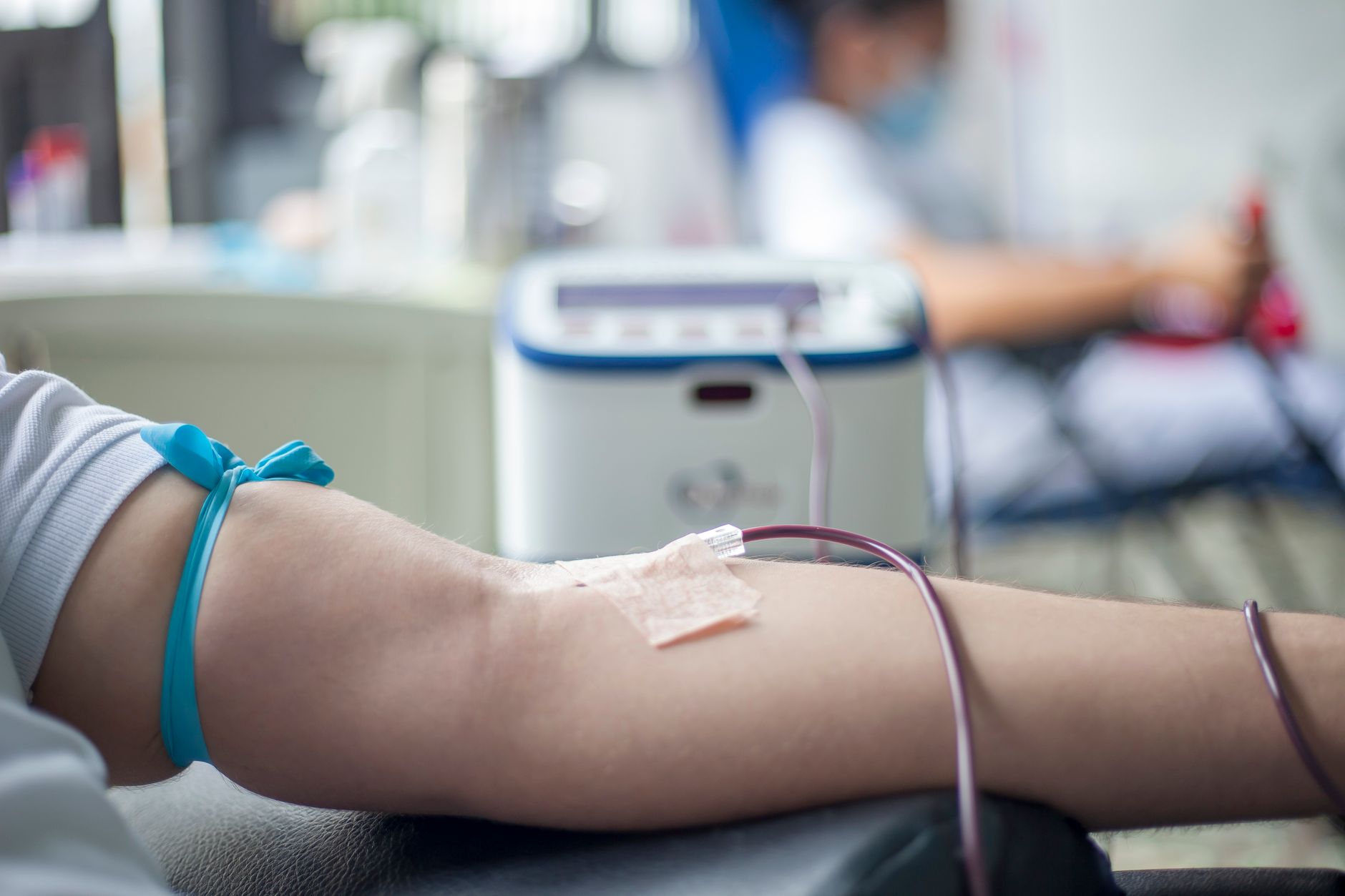
Donating blood is a generous act that can save lives. However, after the donation, it’s essential to nourish your body effectively. Knowing what to eat after donating blood helps replenish lost nutrients and aids in recovery.
This guide will provide meal ideas, snack options, and essential nutrients you’ll want to include in your post-donation meals to ensure a smooth recovery.
What to Eat After Donating Blood?
After donating blood, it’s crucial to consume foods rich in iron and protein, alongside hydration. Nutrients such as vitamin C and complex carbohydrates also play a role in recovery, promoting healthy blood rebuilding. Consider snack and meal ideas that incorporate these elements for optimal recovery.
Key Nutrients Needed After Blood Donation
When planning your meals post-donation, focus on the following key nutrients:
- Iron: Essential for hemoglobin production. Sources include red meat, poultry, fish, beans, and leafy greens.
- Protein: Necessary for overall healing and recovery. Lean meats, eggs, dairy, and legumes are great options.
- Vitamin C: Enhances iron absorption and supports immune function. Found in citrus fruits, strawberries, bell peppers, and broccoli.
- Complex Carbohydrates: Provide energy. Whole grains, fruits, and vegetables are perfect choices.
- Hydration: Essential for recovery. Water, herbal teas, and electrolyte drinks help replenish fluids lost during donation.
Meal Ideas After Donating Blood
Breakfast Options
A nutritious breakfast can help kickstart your recovery. Here are some ideas that combine protein, iron, and other essential nutrients:
- Spinach and Feta Omelette: Packed with iron-rich spinach, eggs offer protein, and feta adds flavor. Serve with whole-grain toast to boost fiber.
- Chia Seed Pudding: Made with chia seeds soaked in coconut milk, this dish is rich in omega-3s and calcium. Add fresh berries for vitamins and sweetness.
- Oatmeal with Fruit and Nuts: Rolled oats provide complex carbohydrates. Top with bananas for potassium, almonds for protein, and a sprinkle of cinnamon for extra flavor.
- Smoothie Bowl: Blend spinach, banana, and orange juice for a refreshing start. Top with granola and seeds for added crunch and nutrients.
Lunch Ideas
Lunch should maintain energy levels while replenishing lost nutrients. Here are some satisfying options:
- Quinoa Salad: Mix cooked quinoa with chickpeas, cucumbers, tomatoes, and spinach. Drizzle with lemon juice and olive oil for a refreshing meal.
- Turkey and Avocado Wrap: Lean turkey is high in protein while avocado provides healthy fats. Wrap in a whole-grain tortilla with lettuce and sliced tomatoes.
- Grilled Chicken with Sweet Potatoes: Serve grilled chicken breast with roasted sweet potatoes for iron and vitamin A. Add a side of steamed broccoli for extra nutrition.
- Lentil Soup: Rich in protein and iron, lentils are an excellent base for soup. Serve with whole-grain bread to complete the meal.
Dinner Suggestions
A hearty dinner is crucial for a full recovery. Consider the following meals:
- Baked Salmon with Brown Rice: Salmon is high in omega-3 fatty acids and protein. Pair with brown rice and sautéed spinach for a complete meal.
- Beef Stir-Fry with Vegetables: Use lean beef strips and stir-fry with bell peppers, carrots, and broccoli. Serve over quinoa or brown rice.
- Vegetable and Bean Chili: A mix of kidney beans, black beans, and corn provides protein and fiber. Add chopped tomatoes and spices for flavor.
- Stuffed Peppers: Fill bell peppers with ground turkey, black beans, and brown rice. Top with cheese and bake until hot and bubbly.
Snacks to Consider
Snacking after donating blood can help keep energy levels up and improve recovery. Here are nourishing snack ideas:
- Trail Mix: Combine nuts, seeds, and dried fruits for a portable snack high in protein and iron.
- Greek Yogurt with Honey: Creamy Greek yogurt provides protein, and you can drizzle honey or add fruit for sweetness.
- Hummus with Veggies: Pair hummus with carrot sticks, cucumber slices, or whole-grain pita for a healthy, protein-rich snack.
- Apple Slices with Almond Butter: Apples provide fiber while almond butter adds protein and healthy fats.
Hydration Options
Proper hydration after donating blood is crucial, as it helps restore fluid balance in the body. Consider these beverages:
- Water: Always the best choice. Aim to drink plenty of water after your donation.
- Electrolyte Drinks: Hydration drinks can replenish lost electrolytes, especially if they are low in sugar.
- Fresh Fruit Juices: Juices from vitamin C-rich fruits help not only in hydration but also in iron absorption.
- Herbal Teas: Non-caffeinated herbal teas can be soothing and hydrating.
Foods to Avoid After Donating Blood
While you focus on recovery, some foods may hinder your healing. Avoid or limit:
- Fatty Foods: High-fat foods can be hard to digest and may slow recovery.
- Caffeine: Caffeinated drinks can lead to dehydration, so it’s best to avoid them immediately after donation.
- Sugary Snacks: While having a sugar rush might feel good temporarily, it can be counterproductive in the long run.
- Alcohol: Alcohol can impact hydration and recovery. It’s best to avoid it until you’re feeling fully restored.
Meal Preparation Tips
Planning meals after blood donation can streamline your recovery process. Here are some practical meal prep tips:
- Batch Cooking: Prepare larger quantities of meals to have leftovers for quick options post-donation.
- Individual Portions: Store meal portions in containers for easy access and controlled servings.
- Mix and Match: Prepare versatile elements, like grains or proteins, that can be combined into different meals.
- Prep Snacks Ahead: Assemble portioned snacks like trail mix or cut veggies to grab-and-go easily during your recovery.
Common Mistakes and Troubleshooting
When recovering from blood donation, it’s essential to avoid certain pitfalls:
- Skipping Meals: Ensure you eat regularly to keep your energy levels steady.
- Neglecting Hydration: Don’t forget to drink water or hydrating beverages frequently.
- Pushing Yourself: If you feel fatigued, give your body time to recover before resuming normal activities.
- Overexertion: Light physical activity is okay, but avoid intense workouts right after donating blood.
Conclusion
What you eat after donating blood plays a vital role in your recovery. By focusing on meals rich in iron, protein, and hydration, you can help your body replenish the lost nutrients effectively. Remember to listen to your body, nurture it with nourishing foods and hydration, and take it easy as you recover.
For more healthy eating ideas, check out our Chia Pudding Recipe or learn What to Eat After Vomiting.