
Pregnancy is an exciting time filled with anticipation and joy, but it also brings a plethora of considerations regarding health and nutrition. One of the most crucial aspects to keep in mind is the food and drink choices you make. Certain substances and food items can negatively impact your health and the well-being of your developing baby.
This guide will explore the foods and beverages you should avoid during pregnancy, along with practical tips, alternatives, and safer options to ensure you maintain a balanced and healthy diet throughout this important journey.
What To Avoid When Pregnant?
When pregnant, it is essential to avoid certain foods that may pose risks, such as those that could carry harmful bacteria, toxins, or allergens. Prioritizing food safety and nutrition plays a vital role in ensuring the health of both mother and baby.
Foods High in Mercury
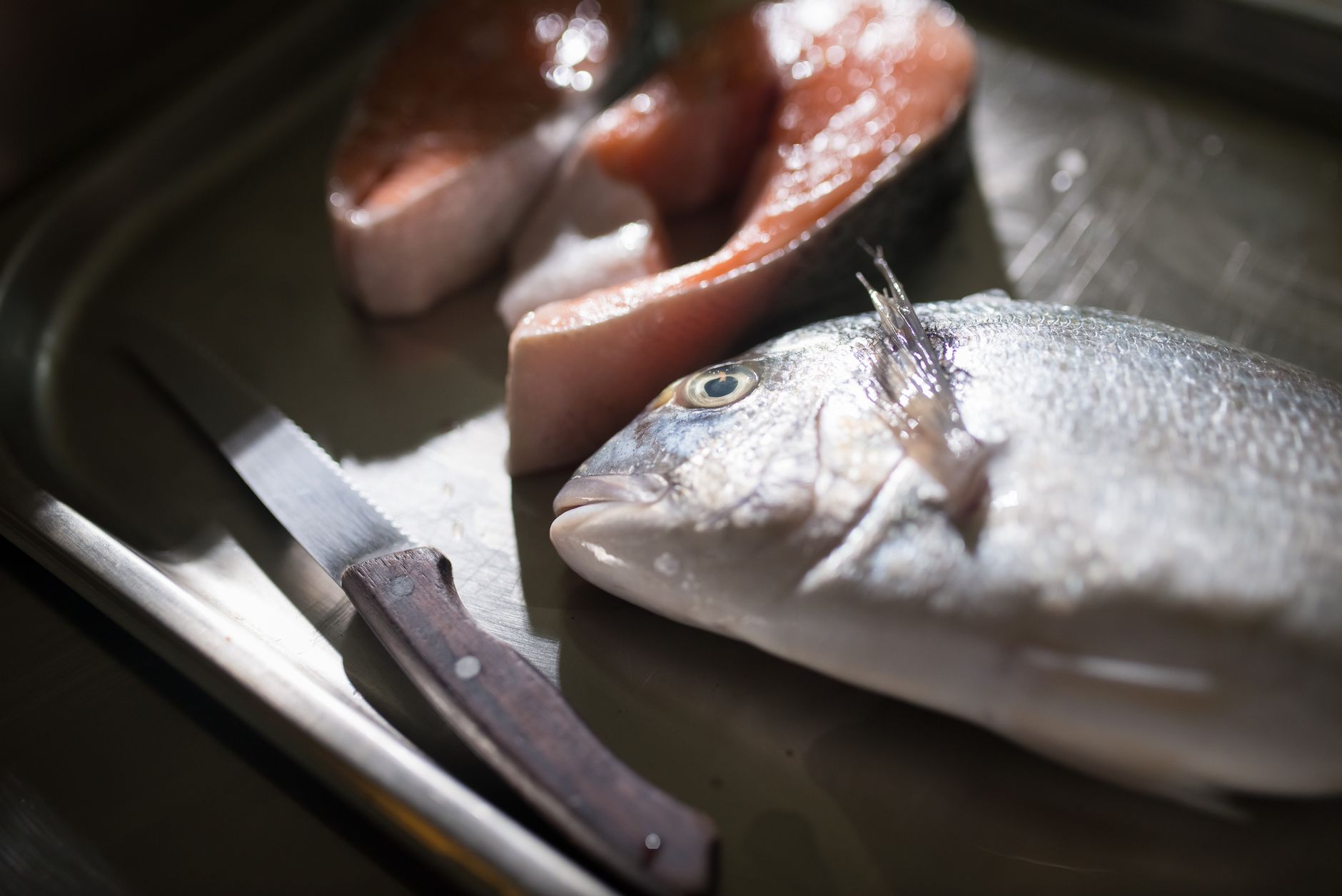
Mercury is a heavy metal that can be harmful to fetal development. Fish and shellfish are common sources of mercury, which can affect the brain and nervous system of an unborn child. Here are some foods to limit or avoid:
- Shark – Incredibly high in mercury.
- Tilefish (from the Gulf of Mexico) – Also contains high levels of mercury.
- Mackerel (King mackerel) – Has high mercury levels.
- Swordfish – Known for high mercury content.
- Bigeye tuna – This type of tuna is especially high in mercury.
Instead, consider safer options with lower mercury levels, such as salmon, sardines, and shellfish like shrimp and clams. It’s generally recommended to limit fish consumption to 2-3 servings of low-mercury fish per week.
Raw or Undercooked Seafood, Eggs, and Meat
Raw or undercooked food items can significantly increase the risk of foodborne illnesses, which can be particularly dangerous during pregnancy.
- Raw seafood, including sushi, can harbor harmful bacteria and parasites.
- Undercooked eggs may contain Salmonella, risking both mother and baby’s well-being.
- Undercooked meat, such as beef, poultry, and pork, can expose you to Toxoplasma and other pathogens.
Always ensure that food is cooked to safe temperatures. For example, meat should be cooked to an internal temperature of at least 165°F (75°C) and eggs should be fully cooked until both the yolk and white are firm.
Unpasteurized Dairy Products
Unpasteurized dairy products can be a breeding ground for harmful bacteria like Listeria, which can lead to serious complications during pregnancy.
- Soft cheeses such as Brie, Camembert, and feta should be avoided unless they are made with pasteurized milk.
- Unpasteurized milk can also harbor dangerous pathogens.
Opt for pasteurized versions of these products to enjoy the nutritional benefits without the associated risks.
Caffeine and Limitations
Moderate caffeine consumption during pregnancy is generally considered safe, but high levels can be linked to complications such as miscarriage or low birth weight. It’s advisable to limit caffeine intake to around 200 mg per day, which is roughly the amount in one 12-ounce cup of coffee.
Other sources include:
- Tea
- Soda
- Energy drinks
Consider replacing caffeinated beverages with herbal teas or decaffeinated options to enjoy warm drinks without the caffeine levels.
Alcohol
No amount of alcohol has been proven safe during pregnancy. Alcohol consumption can lead to fetal alcohol spectrum disorders, which can have lifelong effects on a child’s development.
For the duration of your pregnancy, it’s best to abstain from alcohol altogether. If you’re used to enjoying a glass of wine or a cocktail, explore non-alcoholic alternatives such as mocktails or sparkling juices.
Certain Nuts and Seeds
While most nuts and seeds are healthy, some could pose a risk of allergies when introduced during pregnancy. If you or your partner have a history of nut allergies, it may be wise to avoid peanuts and tree nuts during this period.
The following are generally considered safe nuts that are beneficial and nutritious:
- Almonds
- Walnuts
- Cashews
Processed and Junk Foods
Processed foods, which are often high in unhealthy fats, sugars, and sodium, should be limited during pregnancy. Eating these foods can lead to potential complications such as gestational diabetes and excessive weight gain.
Focus on whole, nutrient-dense foods like:
- Fresh fruits and vegetables
- Whole grains
- Lean proteins
Home-cooked meals not only ensure better nutrition but can also be tailored to your specific needs, ensuring both safety and satisfaction.
High-Sugar Foods
Foods high in sugar can lead to gestational diabetes or excessive weight gain during pregnancy. Avoid sugary snacks, candies, and desserts when possible.
This doesn’t mean you need to eliminate sweets entirely; instead, consider natural alternatives, such as:
- Fresh fruit
- Dried fruit without added sugar
- Homemade desserts with natural sweeteners like honey or maple syrup
Excessive Salt
High sodium intake can lead to bloating and increase the likelihood of high blood pressure during pregnancy. Processed foods are often high in sodium, so it’s essential to be cautious with salt intake.
Experiment with herbs and spices to flavor foods instead of relying on salt. This can enhance your meals while keeping sodium levels under control.
How to Read Labels and Make Safe Choices
Understanding food labels is crucial during pregnancy. Here are some tips for navigating labels effectively:
- Check for pasteurization: Ensure milk and cheese products are pasteurized.
- Read ingredient lists: Look for artificial additives or preservatives.
- Select whole grains: Choose a product that lists whole grain as its first ingredient.
- Avoid trans fats: Look for ‘0 trans fats’ on the label and steer clear of hydrogenated oils.
Staying Hydrated Safely
Staying hydrated is vital during pregnancy, but it’s important to choose beverages wisely. Avoid sugary drinks, high-caffeine options, and alcohol.
Here are some great options for hydration:
- Water – The best choice!
- Coconut water – A natural electrolyte-replenishing option.
- Herbal teas – Look for caffeine-free varieties.
Tips for Eating Out During Pregnancy
Dining out can be challenging during pregnancy, but it can be done safely with some planning. Follow these tips:
- Choose well-done meats: Ensure all meats are cooked thoroughly to avoid bacteria.
- Avoid buffets: They often pose risks for foodborne illnesses.
- Ask questions: Don’t hesitate to inquire about food preparation methods and ingredients.
Food Preparation and Storage Tips
Proper food handling is essential for preventing foodborne illnesses. Here are practical tips for food preparation and storage:
- Wash hands: Always wash your hands before and after handling food.
- Keep surfaces clean: Sanitize countertops and utensils before preparing meals.
- Store food properly: Keep leftovers in airtight containers and refrigerate promptly.
Common Questions and Concerns
Can I eat fish while pregnant?
Yes, you can eat fish during pregnancy, but choose low-mercury varieties and limit your intake to 2-3 servings per week.
What if I accidentally ate something unsafe?
If you believe you have consumed a forbidden food, monitor your health and contact your healthcare provider for guidance.
Conclusion
Maintaining a healthy diet during pregnancy is crucial for both mother and baby. By being informed about the foods to avoid and making safer choices, you can support your body’s needs and ensure a thriving pregnancy.
When planning your meals, focus on fresh, whole foods and be mindful of the preparation and cooking methods used. If unsure about a specific food or drink, consult with your healthcare provider for tailored advice.
For more helpful insights and tips, explore related resources to enhance your meal planning and preparation during this wonderful time.