
Cooking chicken safely and deliciously is crucial for every home chef. One of the most important aspects to consider when preparing chicken is the cooking temperature. Knowing the correct temperature ensures that chicken is not only tender and flavorful but also free from harmful bacteria.
In this guide, we will explore the ideal cooking temperatures for chicken, how to measure them accurately, and tips for different cooking methods. Whether you’re roasting a whole chicken, grilling breasts, or baking drumsticks, understanding temperature will elevate your cooking.
What Temperature Should Chicken Be Cooked?
The ideal internal temperature for cooked chicken is 165°F (75°C). This temperature is essential to ensure that harmful bacteria, such as Salmonella and Campylobacter, are eradicated, making the chicken safe for consumption.
Using a food thermometer to check the chicken’s internal temperature is the best way to verify doneness. Insert the thermometer into the thickest part of the meat without touching bone to get an accurate reading.
The Importance of Cooking Chicken to the Right Temperature
Cooking chicken to the right temperature not only ensures safety but also affects the flavor and texture of the meat. Chicken that is undercooked can lead to foodborne illnesses, while overcooked chicken becomes dry and tough.
Understanding the distinctions between different cuts of chicken and their recommended cooking temperatures can also lead to better meal preparation. Let’s break down various chicken parts and their ideal cooking guidelines.
Different Cuts of Chicken and Their Cooking Temperatures
Whole Chicken
A whole chicken should reach an internal temperature of 165°F (75°C) in the thickest parts, typically the breast and thigh. It generally takes longer to cook a whole chicken compared to individual pieces due to its size.
Chicken Breasts
Boneless, skinless chicken breasts also need to hit 165°F (75°C) for safe consumption. They are best cooked at a medium-high heat and can dry out quickly if overcooked. Watch for visual cues: the meat should be opaque and the juices run clear.
Chicken Thighs and Drumsticks
For dark meat pieces like thighs and drumsticks, the ideal cooking temperature is the same at 165°F (75°C), but they can be cooked to a slightly higher temperature of 175°F (80°C) for extra tenderness and flavor. These cuts have more fat and can handle a bit more cooking without drying out.
Chicken Wings
Chicken wings should also be cooked to 165°F (75°C). They are often cooked at higher temperatures in recipes to achieve a crispy texture. Ensure they are cooked through by checking multiple pieces, as size can vary.
Methods for Cooking Chicken and Their Recommended Temperatures
Roasting
Roasting a chicken is a classic method that results in crispy skin and juicy meat. Preheat your oven to 375°F (190°C) for a whole chicken. Allow the chicken to cook for about 20 minutes per pound, or until the internal temperature reaches 165°F (75°C).
Grilling
Grilling is a popular choice for chicken breasts and thighs, imparting a smoky flavor. Preheat the grill to medium-high heat, around 400°F (204°C). Grill the chicken for about 6 to 8 minutes per side for breasts, or until they reach the safe internal temperature.
Baking
Baking chicken is straightforward and efficient. Preheat your oven to 400°F (204°C). Bake chicken legs for approximately 35 to 45 minutes, while breasts typically take 20 to 30 minutes. Always check with a thermometer to ensure safety.
Sautéing
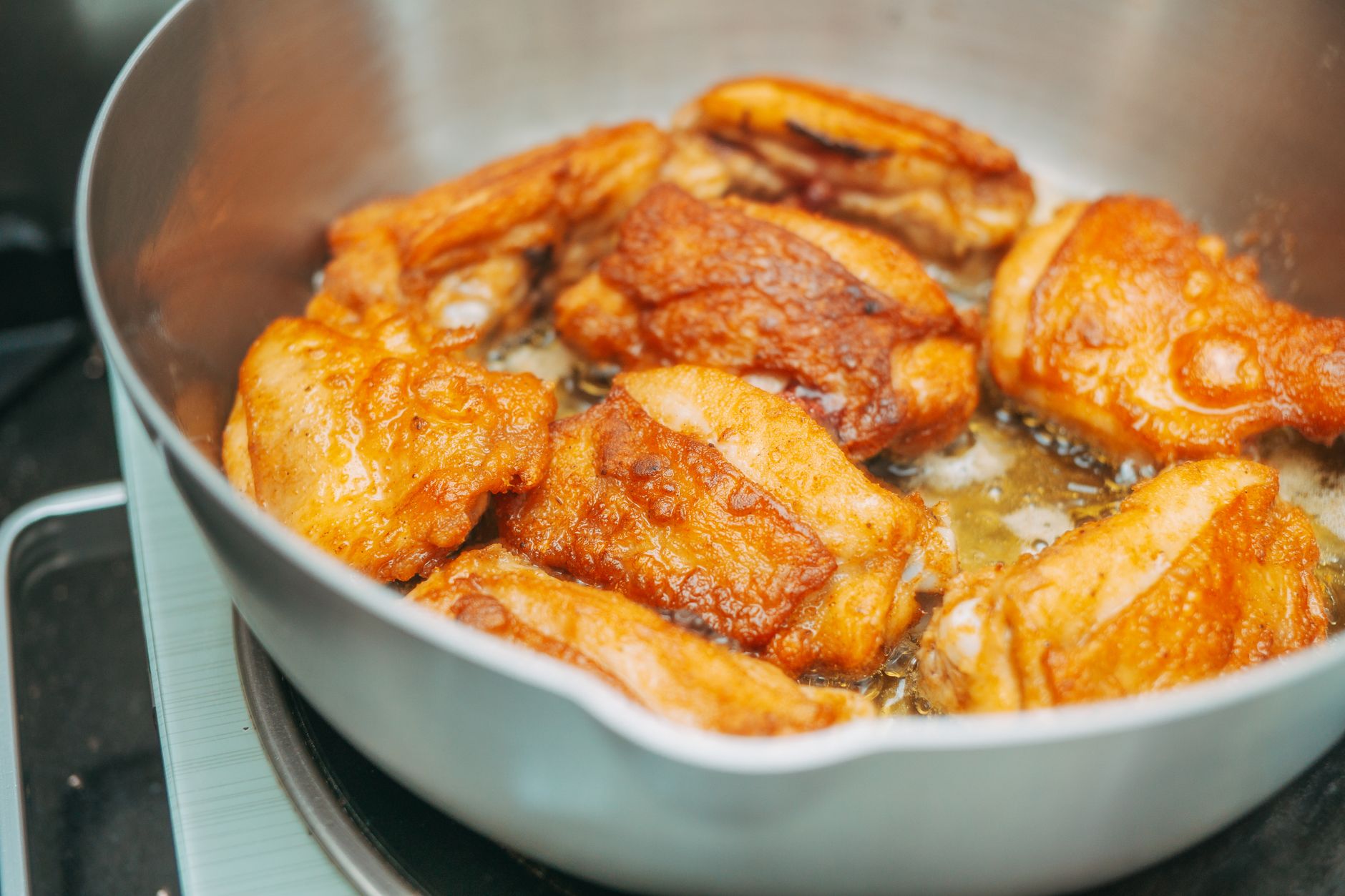
Sautéing chicken in a skillet allows for quick cooking and rich flavor. Heat oil in a pan over medium-high heat. Cook chicken breasts for about 6-7 minutes per side or until they register 165°F (75°C). They should develop a nice golden-brown crust.
Slow Cooking
Using a slow cooker for chicken is a great way to infuse flavors and keep the meat moist. Cook the chicken on low for 6 to 8 hours, or on high for 4 to 5 hours. As always, check that the internal temperature reaches at least 165°F (75°C).
How to Accurately Measure Chicken Temperature
Measuring the internal temperature of chicken requires a reliable food thermometer. Here are the steps to ensure accuracy:
- Insert the thermometer into the thickest part of the chicken, avoiding bone, as bone conducts heat and can lead to an inaccurate reading.
- Wait a few seconds for the thermometer to stabilize and display a reading.
- Remove the thermometer and immediately clean it with hot, soapy water to avoid cross-contamination.
Tips to Avoid Common Mistakes When Cooking Chicken
Even experienced cooks can face challenges with chicken preparation. Here are some tips to help you avoid common pitfalls:
- Don’t rely on color alone: While cooked chicken will change color from pink to white, other factors like cooking time and method are far more reliable indicators.
- Let it rest: After cooking, allow chicken to rest outside the heat source for at least 5 minutes. This helps redistribute the juices, leading to a moister texture.
- Avoid overcrowding: Whether on the grill or in a pan, avoid overcrowding chicken pieces. Cook in batches if necessary, as this ensures even cooking.
- Use brines and marinades: Brining or marinating chicken helps to retain moisture and enhance flavor. Just remember to adjust cooking times accordingly.
How to Reheat Cooked Chicken Safely
If you have leftover chicken, proper reheating is crucial to ensure safety and maintain quality. The USDA recommends reheating chicken to an internal temperature of 165°F (75°C) for safe consumption.
Here are some effective reheating methods:
- Oven: Preheat the oven to 350°F (175°C), place chicken on a baking sheet, and cover with foil. Heat until the chicken reaches the safe temperature.
- Microwave: Place the chicken in a microwave-safe dish and cover it to contain steam. Reheat in 30-second increments, turning the piece for even heating.
- Skillet: Heat a skillet over low heat, add a splash of water or broth, and cover to steam the chicken gently until it’s heated through.
Storage Tips for Cooked Chicken
Storing cooked chicken properly is vital for food safety and preserving flavor. Here are some storage guidelines:
- Cool chicken to room temperature within two hours of cooking.
- Store in an airtight container in the refrigerator if you plan to use it within 3-4 days.
- For longer storage, wrap cooked chicken tightly in plastic wrap or aluminum foil and freeze for up to four months.
- Label containers with dates to keep track of freshness.
Common Myths About Cooking Chicken
Several myths and misconceptions about cooking chicken can lead to confusion or mistakes, such as:
- All chicken should be white: It’s normal for some chicken to remain slightly pink even when fully cooked, particularly with thighs and drumsticks due to their higher fat content.
- Resting makes chicken colder: Letting chicken rest does not significantly cool it down—rather, it helps retain moisture.
- Always cook chicken until it’s dry: Overcooking chicken is a common mistake; the key is to reach the safe temperature while keeping the meat juicy.
Conclusion
Understanding what temperature chicken should be cooked to is essential for ensuring your meals are both safe and delicious. Aim for an internal temperature of 165°F (75°C) throughout the chicken for optimal flavor and texture. Utilize a food thermometer for accuracy, and don’t forget the best practices in cooking, storing, and reheating chicken!
Explore more tips about chicken storage and proper cooking durations by checking out guides on how long does cooked chicken last and how long to bake chicken legs at 400°F. Whether you’re an experienced cook or just starting, these resources will help you create satisfying chicken dishes.