
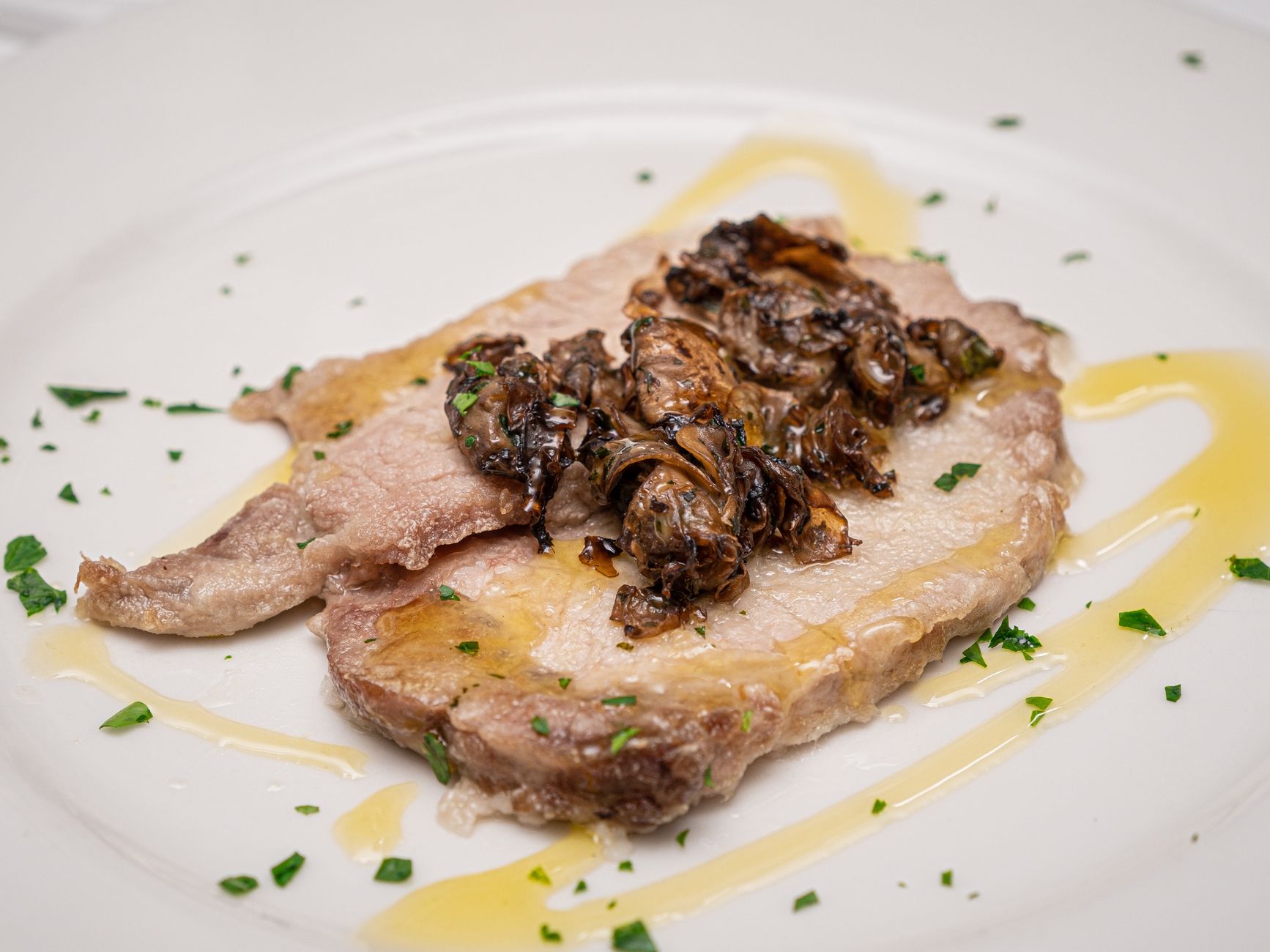
Pork tenderloin is a lean and flavorful cut of meat, known for its tenderness and versatility. Cooking it to the right temperature ensures a juicy and delicious meal while also being safe to eat. Understanding the ideal temperature for pork tenderloin is crucial for both home cooks and culinary enthusiasts alike.
This guide will delve into the proper cooking temperatures for pork tenderloin, the best methods for cooking this cut, and tips for determining doneness. Whether you’re planning a family dinner or prepping for a holiday feast, achieving the right temperature will elevate your dish.
What Temperature Should a Pork Tenderloin Be?
The ideal internal temperature for cooked pork tenderloin is 145°F (63°C). This temperature ensures that the pork is both safe to eat and maintains its juicy texture. After reaching this temperature, it’s important to allow the meat to rest for at least three minutes before slicing, which helps lock in the juices.
Understanding the Importance of Cooking Temperatures
Cooking meat to the right temperature is essential for food safety and achieving the best flavor and texture. Undercooking pork, particularly cuts like tenderloin, can result in a chewy and unappetizing texture. Conversely, overcooking can lead to dryness.
The U.S. Department of Agriculture (USDA) recommends cooking pork to a minimum safe internal temperature of 145°F, followed by a three-minute rest period. Cooking the meat to this temperature allows for the desired level of doneness while ensuring harmful bacteria, such as Trichinella spiralis, are killed.
Methods for Cooking Pork Tenderloin
There are various methods for cooking pork tenderloin, including roasting, grilling, searing, and slow cooking. Each method offers unique flavor profiles and textures, allowing for a range of culinary creativity.
1. Roasting
Roasting is a popular method for cooking pork tenderloin, especially in an oven. To roast a pork tenderloin:
- Preheat your oven to 400°F (204°C).
- Season the pork tenderloin with salt, pepper, and any desired herbs or spices.
- In a skillet, sear the tenderloin over medium-high heat for 2-3 minutes on each side until golden brown.
- Transfer the skillet to the oven and roast for 15-20 minutes.
- Use a meat thermometer to check the internal temperature, ensuring it reaches 145°F (63°C).
- Allow resting for at least three minutes before slicing.
2. Grilling
Grilling pork tenderloin adds a delicious smoky flavor. Follow these steps for grilling:
- Preheat your grill to medium-high heat.
- Marinate the pork tenderloin for added flavor, if desired.
- Place the tenderloin on the grill and cook for about 20-25 minutes, turning every 5-7 minutes to ensure even cooking.
- Check the internal temperature, aiming for 145°F (63°C).
- Let it rest for a few minutes before slicing.
3. Searing and Braising
Searing and braising are excellent methods to enhance flavor. To sear and braise:
- Preheat a heavy pot or Dutch oven over medium-high heat.
- Sear the pork tenderloin for 3-4 minutes on each side until browned.
- Add broth, wine, or a marinade to the pot, then cover and reduce the heat to low, cooking for 25-30 minutes.
- Check the temperature to ensure it reaches 145°F (63°C).
- Allow it to rest before slicing.
4. Slow Cooking
Slow cooking allows for tender, flavorful pork without much effort. To slow cook:
- Season the pork tenderloin and place it in a slow cooker.
- Add vegetables and your choice of broth or sauce.
- Cook on low for 6-8 hours or high for 3-4 hours.
- Check for doneness using a meat thermometer to ensure it reaches 145°F (63°C).
- Shred or slice after resting for a few minutes.
How to Check Pork Tenderloin Temperature
Using a meat thermometer is the most accurate way to check the doneness of pork tenderloin, helping you avoid undercooking or overcooking. Follow these tips for best results:
- Insert the thermometer into the thickest part of the meat, avoiding any bones or fat.
- For optimal food safety, ensure the temperature reaches 145°F (63°C).
- Allow the meat to rest for at least three minutes after removing it from the heat, as the internal temperature may continue to rise slightly.
- If grilling or smoking, consider checking the temperature in multiple areas of the tenderloin to ensure consistent doneness.
Possible Variations and Flavor Profiles
Pork tenderloin is an incredibly versatile cut of meat, making it perfect for a variety of cuisines and flavor profiles. Experiment with different marinades, spices, and cooking techniques to create unique dishes. Here are some ideas:
Marinades and Seasonings
Marinades can enhance the flavor of pork tenderloin, adding moisture and complexity. Consider the following options:
- Teriyaki marinade for an Asian twist.
- Herbed garlic marinade for a classic flavor.
- Balsamic vinegar and honey for a sweet and tangy taste.
- Spicy rubs with paprika, cayenne pepper, and cumin for a kick.
Serving Suggestions
Cooking pork tenderloin is just the first step; knowing how to serve it can elevate your dish. Here are a few suggestions:
- Slice the pork thinly and serve over a bed of salad greens.
- Pair it with roasted vegetables, such as Brussels sprouts or carrots.
- Serve with a side of garlic mashed potatoes or quinoa for a hearty meal.
- Drizzle with a balsamic reduction or chimichurri sauce for added flavor.
Common Mistakes to Avoid
Even a small oversight can lead to disappointing results when cooking pork tenderloin. Below are some common mistakes and how to avoid them:
- Skipping the thermometer: Always use a meat thermometer to avoid undercooking or overcooking.
- Not resting the meat: Allowing the pork to rest helps redistribute juices, making it more tender.
- Using high heat throughout: Searing at high heat is essential, but the inside should be cooked at medium heat to avoid drying out.
Storage and Reheating Tips
If you have leftovers, it’s important to store and reheat them properly to maintain quality and safety. Here’s how:
Storage
- Allow the pork to cool to room temperature before storing.
- Wrap it in plastic wrap or aluminum foil, or store it in an airtight container.
- Refrigerate leftovers within two hours; they can last up to three days.
- For longer storage, consider freezing the cooked tenderloin for up to three months.
Reheating
- To reheat, preheat the oven to 325°F (163°C).
- Place the pork in an oven-safe dish with a splash of broth or water to prevent drying.
- Cover with aluminum foil and heat for about 10-15 minutes, or until warmed through.
- Alternatively, use the microwave; heat in intervals, checking every 30 seconds.
Conclusion
Cooking pork tenderloin to the proper temperature of 145°F (63°C) ensures a tender, juicy, and flavorful meal. Whether you choose to roast, grill, sear, or slow cook, understanding the right approach and techniques will enhance your culinary skills. Don’t hesitate to experiment with marinades, seasonings, and salads, and be sure to keep an eye on cooking temperatures to achieve the best results.
Explore related recipes, cooking tips, or food guides on our blog, such as our Pork Chop Supreme recipe and delicious Smoked Pork Loin recipe for more inspiration in your cooking endeavors.