
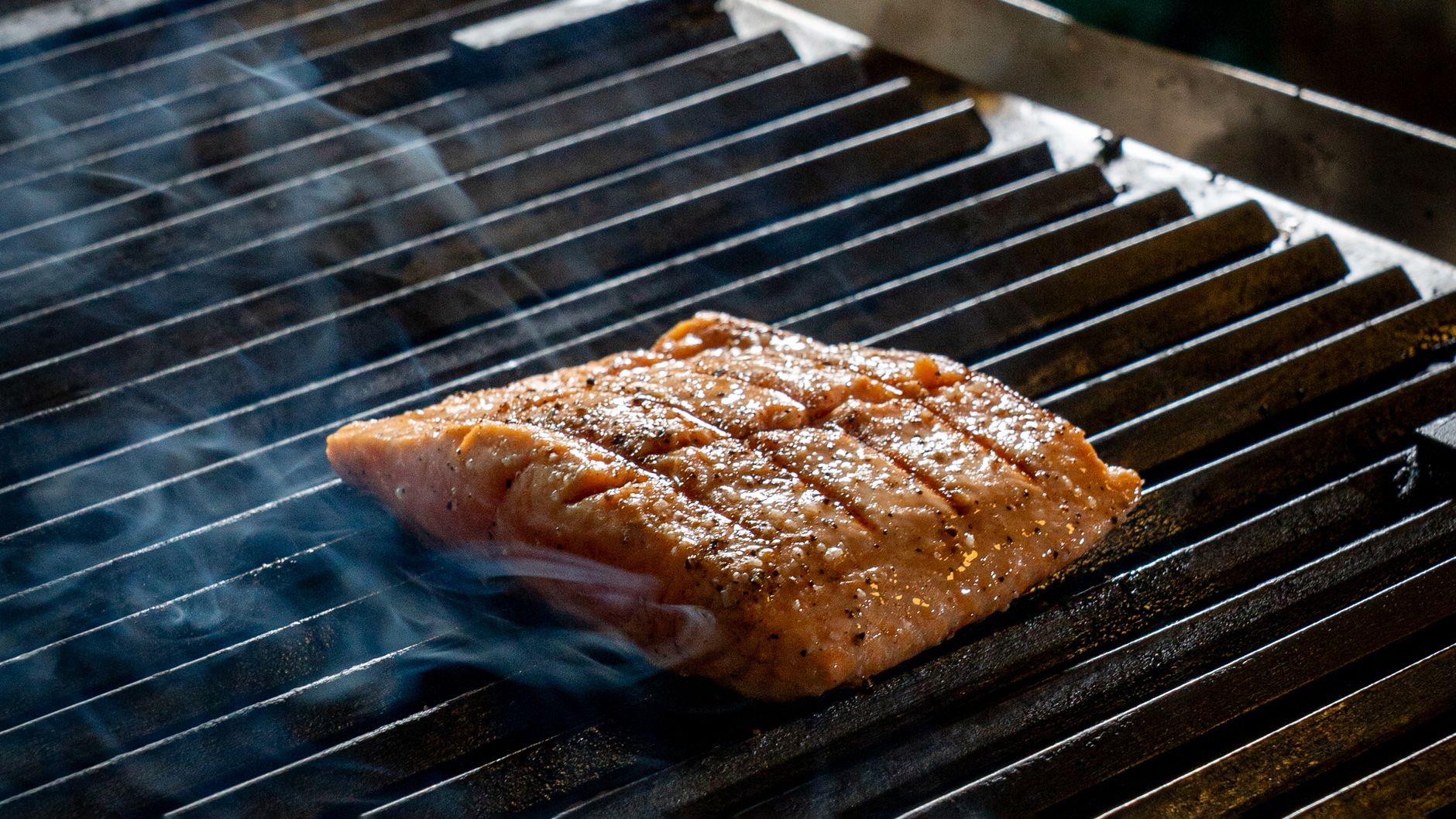
Salmon is a popular and nutritious seafood choice that not only pleases the palate but also offers numerous health benefits. Preparing salmon perfectly can be a little daunting, especially when it comes to determining the right cooking temperature. Understanding what temperature cooked salmon should reach ensures a flavorful result without compromising food safety.
In this comprehensive guide, we will explore the ideal cooking temperatures for salmon, methods to achieve desired doneness, and tips for cooking salmon to perfection. Knowing these factors will help you create delicious meals that are both satisfying and safe to eat.
What Temperature Is Cooked Salmon?
For salmon to be considered fully cooked, it should reach an internal temperature of 145°F (63°C), as recommended by the USDA. This temperature ensures that harmful bacteria are eliminated while preserving the fish’s moisture and tenderness. Use a food thermometer to accurately measure the temperature and avoid undercooking or overcooking the salmon.
Understanding Salmon Doneness
When cooking salmon, doneness can generally be categorized into three levels: rare, medium, and well-done. Each level has distinct textural and flavor profiles, which can influence how you choose to prepare this fish. Here’s a breakdown of doneness temperatures:
- Rare: 110°F to 120°F (43°C to 49°C) – Creamy, moist center with a translucent appearance.
- Medium: 120°F to 130°F (49°C to 54°C) – Tender, flaky texture with some moisture retained.
- Well-done: 140°F to 150°F (60°C to 66°C) – Firm and cooked through with a dry texture.
While many chefs recommend cooking salmon to 145°F (63°C) for safety, personal preferences may vary. Therefore, it’s essential to strike a balance between personal taste and food safety.
Methods for Cooking Salmon
Salmon can be prepared using various cooking methods, each offering unique flavors and textures. Here are some popular methods and their corresponding cooking temperatures:
Grilling Salmon
Grilling brings a smoky flavor and appealing char to your salmon. Follow these steps for optimal results:
- Preheat your grill to a medium-high temperature of about 375°F to 400°F (190°C to 204°C).
- Season the salmon with salt, pepper, or your favorite marinade.
- Once the grill is hot, place the salmon skin-side down.
- Cook for 6 to 8 minutes per side or until the internal temperature reaches 145°F (63°C).
Use a fish spatula to flip the salmon gently to maintain its shape and prevent sticking.
Baking Salmon
Baking is a straightforward method that allows for even cooking and flavor infusion. Here’s how:
- Preheat your oven to 375°F (190°C).
- Prepare a baking dish lined with parchment paper or lightly greased.
- Season the salmon as desired and place it skin-side down onto the dish.
- Bake for 15 to 20 minutes, depending on the thickness of the fillet, until the internal temperature reaches 145°F (63°C).
Baking typically results in a tender fish with a moist interior.
Pan-Seared Salmon
Pan-searing allows for crispy skin and a deliciously caramelized exterior. Here are the steps:
- Heat a non-stick skillet over medium-high heat and add a little oil.
- Season the salmon and place it skin-side down in the pan.
- Cook for about 4 to 5 minutes before carefully flipping it.
- Cook for an additional 4 to 5 minutes, checking for the internal temperature of 145°F (63°C).
Pan-seared salmon offers a delightful contrast between crispy skin and tender meat.
Poaching Salmon
Poaching salmon is excellent for delicate flavors and a moist, tender result. Follow these steps:
- Fill a pot with enough water, broth, or wine to submerge the salmon completely. Optional aromatics like herbs, lemon, or garlic can be added for additional flavor.
- Bring the liquid to a gentle simmer.
- Carefully add the salmon and cover the pot.
- Poach for about 15 to 20 minutes until the internal temperature is 145°F (63°C).
This method results in a light dish that highlights the flavor of the salmon.
Essential Cooking Tips for Salmon
When cooking salmon, certain tips can enhance the final dish and prevent common pitfalls:
- Use a Meat Thermometer: A reliable way to ensure salmon is cooked to the proper temperature is with a food thermometer. Insert it into the thickest part of the fillet without touching the bone to get an accurate reading.
- Let it Rest: After cooking, allow the salmon to rest for a few minutes. This helps redistribute the juices, ensuring a moist interior.
- Select Fresh Salmon: Always choose fresh, high-quality salmon for the best flavor and texture. Look for moist, firm fillets with a bright color and a pleasant smell.
- Don’t Overcook: Salmon can quickly dry out if cooked too long. Monitor the internal temperature to avoid overcooking.
Flavor Pairings and Serving Suggestions
Salmon is highly versatile and pairs well with a variety of flavors. Here are some popular pairings and serving options:
- Citrus: Lemon and lime add brightness and acidity, cutting through the richness of the salmon.
- Herbs: Dill, parsley, and chives offer fresh, aromatic flavors that enhance salmon’s natural taste.
- Glazes and Sauces: Teriyaki, soy sauce, BBQ sauce, or honey mustard can elevate the flavor profile.
- Vegetables: Serve salmon with roasted or grilled vegetables like asparagus, broccoli, or zucchini for a nutritious meal.
Storing Leftover Salmon
If you end up with leftover cooked salmon, proper storage is key to maintaining its quality and safety. Follow these guidelines:
- Allow the salmon to cool completely before storing.
- Wrap it tightly in plastic wrap or aluminum foil, or place it in an airtight container.
- Store in the refrigerator for up to 3 days or freeze for up to 3 months. When freezing, consider portioning it into individual servings for convenience.
Reheating Cooked Salmon
When reheating leftover salmon, it’s important to do so gently to maintain moisture and avoid drying it out:
- Preheat your oven to 325°F (163°C).
- Place the salmon on a baking sheet lined with foil.
- Add a splash of water or broth and cover loosely with foil to help retain moisture.
- Heat for about 10 to 15 minutes or until warmed through.
Alternatively, you can also reheat salmon in a microwave for about 30 seconds to 1 minute, but be careful to avoid overcooking.
Common Mistakes and Troubleshooting
Even experienced cooks can make mistakes. Here are some common issues you may encounter while cooking salmon and how to troubleshoot them:
- Dry Salmon: This often happens due to overcooking. Monitor the internal temperature closely and remove from heat as soon as it reaches 145°F (63°C).
- Sticky Skin: If the skin sticks to the grill or pan, ensure it is adequately preheated and oiled. Additionally, try to resist flipping it too early.
- Fishy Smell: If your salmon smells overly fishy, it may not be fresh. Always check for freshness at the market.
Variations of Salmon Recipes
Salmon can be adapted for various cuisines and dietary preferences. Here are some delicious variations you might consider:
- Salmon Tacos: Flake cooked salmon and incorporate it into taco shells with avocado, cabbage, and a yogurt dressing for a fresh twist.
- Salmon Salad: Combine flaked salmon with greens, cherry tomatoes, cucumbers, and a light vinaigrette for a refreshing salad.
- Sushi Rolls: Use sushi rice and nori to create salmon sushi rolls with avocados, cucumbers, and carrots.
These variations showcase the adaptability of salmon, making it suitable for different meals and occasions.
Conclusion
Cooking salmon to the proper temperature is essential for both flavor and food safety. Understanding that the ideal internal temperature is 145°F (63°C), along with various cooking methods and tips, will empower you to create a range of delicious salmon dishes. By applying these techniques and techniques, you can confidently prepare salmon that not only meets safety standards but is also delectably enjoyable.
To further enhance your culinary repertoire, explore these related articles: learn how long to cook tilapia and know how to tell if salmon is bad for safe and delicious seafood cooking.