
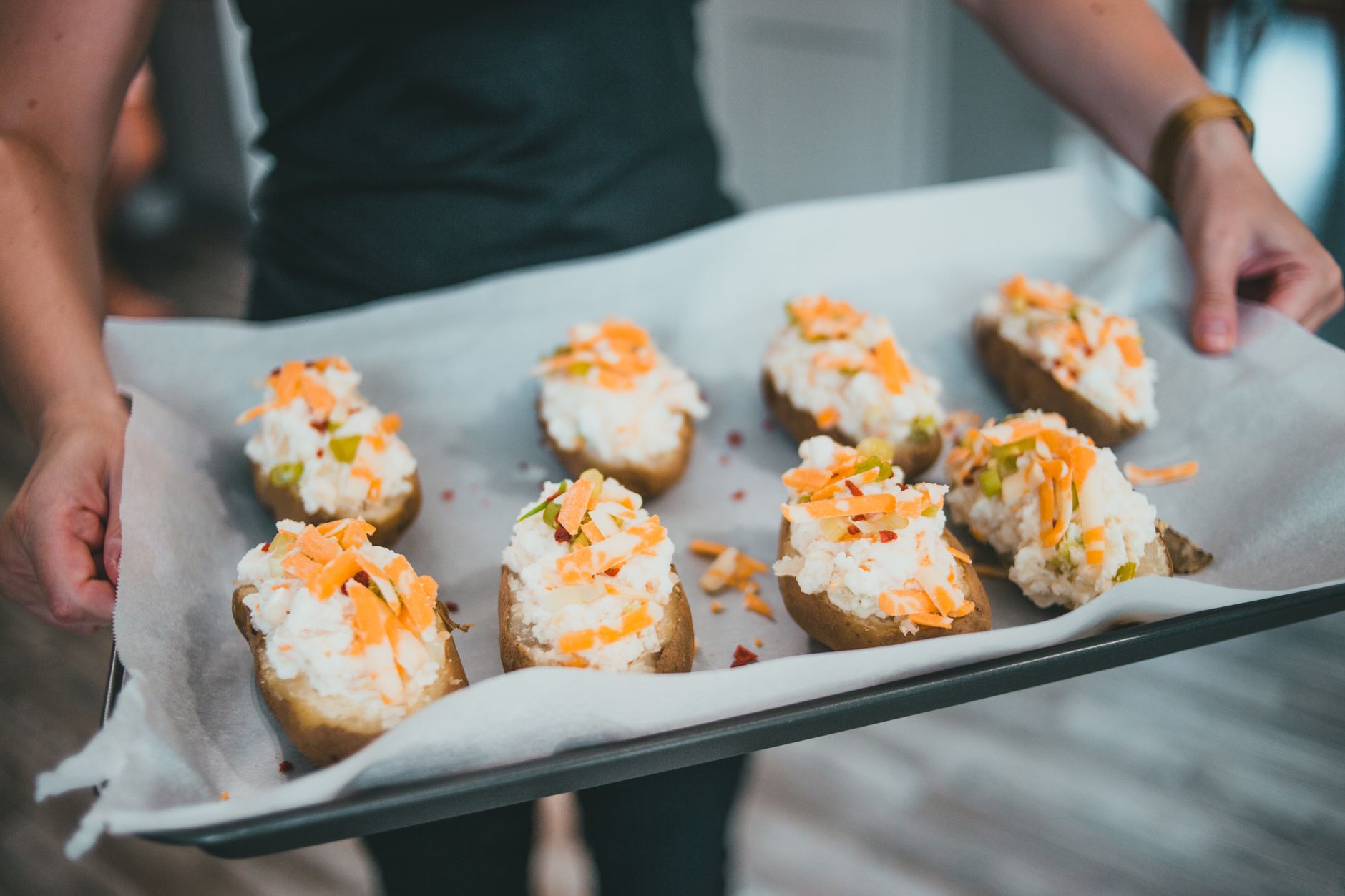
Baking potatoes is an easy and rewarding cooking technique that can result in a deliciously fluffy texture and a crispy skin. Understanding the right temperature for baking potatoes is crucial for achieving these desired outcomes. Whether you’re preparing a side dish or a filling meal, knowing how to bake potatoes correctly will enhance your cooking skills.
This guide explores the optimal baking temperatures, cooking times, and techniques for different types of potatoes, ensuring you get perfectly baked potatoes every time.
What Temperature Do I Bake Potatoes At?
The ideal temperature for baking potatoes is 425°F (220°C). At this temperature, potatoes develop a fluffy interior while achieving a crispy skin. Baking at this temperature typically takes about 45 to 60 minutes depending on the size of the potatoes.
Choosing the Right Potatoes
Before baking, it’s essential to choose the right type of potato. Different varieties have varying flavors and textures. Here are some common potato types suitable for baking:
- Russet Potatoes: The most popular choice for baking due to their high starch content, resulting in a fluffy interior and crispy skin.
- Yukon Gold Potatoes: These potatoes are waxy with a buttery flavor. They can also be baked but have a creamier texture than Russets.
- Red Potatoes: These are small with a smooth skin and waxy texture. They hold their shape well, making them ideal for roasting more than baking.
- Sweet Potatoes: Sweet potatoes can be baked at the same temperature for a different flavor profile. They tend to be sweeter and denser than regular potatoes.
Preparation Steps for Baking Potatoes
Here’s how to properly prepare your potatoes for baking:
- Preheat Your Oven: Set your oven to 425°F (220°C). A hot oven ensures even cooking and helps achieve that crispy skin.
- Wash and Scrub: Thoroughly wash the potatoes under cold water to remove any dirt. It’s essential to scrub them, especially if you plan to eat the skin.
- Pierce the Skin: Use a fork to poke holes around the potato. This step allows steam to escape during baking, preventing the potatoes from bursting.
- Optional Seasoning: Rub olive oil, butter, or melted margarine on the skin, then sprinkle with salt for added flavor. This creates a delightful crispy shell.
Baking Times Based on Potato Size
The cooking time for baked potatoes varies significantly based on their size. Here’s a quick guide to estimated baking times:
| Potato Size | Estimated Baking Time |
|---|---|
| Small (about 5-6 ounces) | 30-40 minutes |
| Medium (about 7-8 ounces) | 45-55 minutes |
| Large (about 10-12 ounces) | 60-75 minutes |
Everyone’s oven may be slightly different, so it’s advisable to check for doneness with a fork or knife. The potatoes should yield easily when poked.
Common Mistakes When Baking Potatoes
Even with the best intentions, mistakes can happen. Here are some common errors to avoid:
- Not Preheating the Oven: Baking in a cold oven can lead to uneven cooking and less enjoyable textures.
- Skipping the Piercing: Forgetting to pierce potatoes can cause them to explode in the oven due to steam buildup.
- Overcrowding the Oven: If you’re baking multiple potatoes, ensure they aren’t touching to allow for proper air circulation.
- Incorrect Seasoning: Not seasoning properly can lead to bland potatoes. A little salt on the skin enhances flavor significantly.
How to Know When Potatoes Are Done
Determining the doneness of your potatoes is key to perfect baking. Here are some cues:
- Fork Test: Insert a fork or a sharp knife into the thickest part of the potato. If it slides in easily, the potato is done.
- Skin Texture: The skin should appear shiny and slightly wrinkled, indicating it’s crispy.
- Internal Temperature: A food thermometer can also be used to check for doneness. Potatoes are typically done when they reach an internal temperature of 205°F to 210°F (96°C to 99°C).
Serving Suggestions for Baked Potatoes
Baked potatoes can be served in a variety of ways. Here are some delicious topping ideas:
- Classic Butter and Sour Cream: A simple yet indulgent choice.
- Cheese and Chives: Sprinkle your favorite cheese and chopped chives for enhanced flavor and texture.
- Bacon Bits: Crispy bacon bits can add a savory crunch.
- Broccoli and Cheese: For a heartier option, top with steamed broccoli and melted cheese.
- Chili: For a filling meal, spoon some chili over the top.
Variations in Cooking Techniques
While baking at 425°F is ideal, there are other methods worth exploring depending on your time and specific cravings:
Microwave Baking
If time is of the essence, you can “bake” potatoes in the microwave:
- Pierce the potato as you would for oven baking.
- Place the potato on a microwave-safe plate and cook on high for 5 minutes for a small potato, 7 minutes for a medium potato, and 10 minutes for a large potato.
- Check if it’s done by using the fork test. If not, continue microwaving in 1-minute increments until tender.
Slow Cooker Baked Potatoes
Cooking potatoes in a slow cooker is another option that doesn’t require much attention:
- Wrap each potato in aluminum foil.
- Place the wrapped potatoes in the slow cooker and cook on low for 8 hours or high for 4 hours.
Grilling Potatoes
Grilling can add a delightful smoky flavor to baked potatoes:
- Preheat the grill to medium-high.
- Wrap each potato in aluminum foil and place them on the grill.
- Cook for about 40-60 minutes, turning occasionally.
Make-ahead and Storage Tips
If you want to bake potatoes ahead of time, consider these tips:
- Prepare in Advance: You can wash and pierce potatoes the night before baking. Store them in the refrigerator until you’re ready to bake.
- Storing Baked Potatoes: If you have leftovers, wrap them tightly in foil or plastic wrap and store them in the refrigerator for up to 3-5 days.
- Reheating: To reheat, bake in an oven at 350°F (175°C) for about 15-20 minutes, or use the microwave for quicker results.
Final Thoughts on Baking Potatoes
Baking potatoes at the right temperature can transform a simple ingredient into a flavorful centerpiece or a delightful side dish. By following the recommended techniques and tips outlined, you can ensure a pleasing taste and texture for everyone at your table.
For future cooking endeavors, consider exploring techniques for other dishes like how long to bake boneless pork chops or how long to bake chicken legs at 400°F. Each provides a unique addition to your culinary skills. Enjoy your baking!