
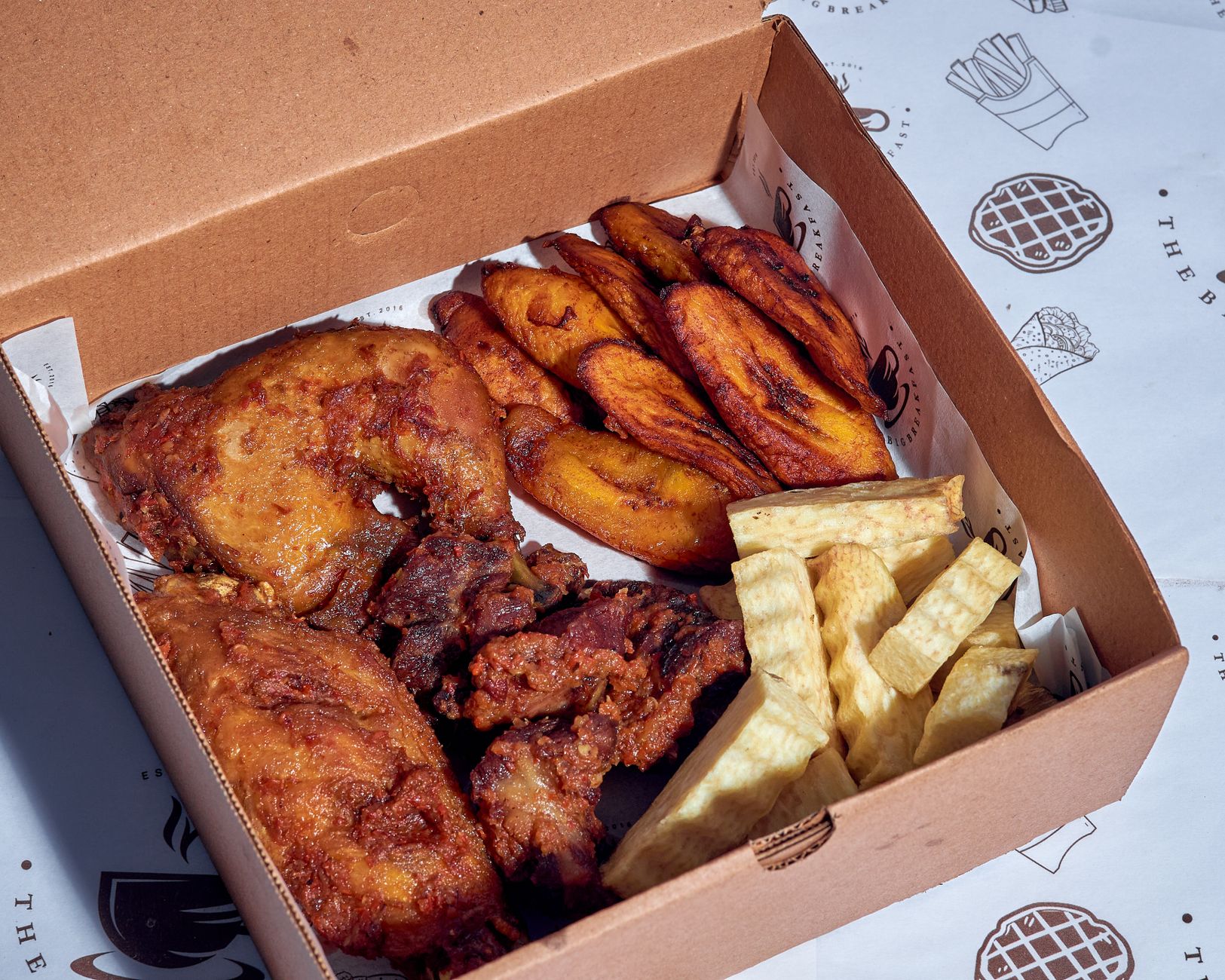
Frying a turkey is a popular method of preparation, especially during festive seasons such as Thanksgiving. The technique yields a moist and flavorful bird with a crispy skin that is hard to resist. However, achieving the perfect fry requires knowing the right temperature, timing, and safety precautions.
This guide will answer your questions about the optimal cooking temperature for frying turkey, detail cooking times, and explain how to check for doneness. Understanding these factors is crucial for a delicious turkey that is safe to eat.
What Temp To Fry Turkey?
The ideal temperature for frying turkey is between 325°F to 350°F (163°C to 177°C). This temperature range allows the turkey to cook thoroughly and develop a beautifully golden, crispy skin. Cooking at temperatures higher than 350°F can risk burning the outside while leaving the inside undercooked, while lower temperatures can result in greasy turkey.
Preparation Before Frying Turkey
Before you start frying, some preparatory steps need to be taken to ensure your turkey turns out perfectly. These steps include selecting the right turkey, defrosting it properly, and gathering all necessary equipment and ingredients.
Choosing the Right Turkey
- Weight: A turkey weighing between 10 to 14 pounds is ideal for deep frying.
- Fresh vs Frozen: If you choose a frozen turkey, ensure it is fully defrosted before frying. This typically takes about 24 hours for every 4-5 pounds in the refrigerator.
Thawing the Turkey
Thaw your turkey in the refrigerator or in cold water. If using the cold water method, change the water every 30 minutes to ensure safe thawing. For a 12-pound turkey, this could take approximately 6 hours. Never thaw at room temperature to avoid any risk of bacterial growth.
Essential Equipment
- Outdoor propane turkey fryer
- Large pot (at least 30 quarts)
- Turkey frying kit (includes a hook, thermometer, and safety gloves)
- Propane or electric burner
- Meat thermometer
- Fire extinguisher (for safety)
Frying Turkey: Cooking Temp and Time
Once your turkey is prepared and you have gathered your equipment, it’s important to know how long to fry your turkey based on its weight. General guidelines suggest frying for approximately 3 to 5 minutes per pound.
Cooking Times Based on Turkey Weight
| Turkey Weight (lbs) | Cooking Time (minutes) |
|---|---|
| 8 to 12 | 3 to 4 minutes per pound |
| 12 to 14 | 4 to 5 minutes per pound |
| 14 to 18 | 5 to 6 minutes per pound |
| 18 to 20 | 6 to 7 minutes per pound |
| 20 to 24 | 7 to 8 minutes per pound |
Steps to Fry Turkey
Following step-by-step instructions is vital for a successful turkey frying experience. Below are detailed steps to guide you through the process.
- Prepare the Fryer: Set up your fryer outdoors, away from any structures or flammable materials. Level the ground and ensure the propane tank is secure.
- Temperature Check: Fill your pot with the appropriate amount of oil. Typically, you want about 3 gallons of oil. Use a thermometer to check the oil and bring it to the recommended frying temperature of 325°F to 350°F.
- Dry the Turkey: Make sure the turkey is completely dry. Pat it dry using paper towels; this step prevents oil splatter and ensures even cooking.
- Lower the Turkey: Carefully lower the turkey into the hot oil using the frying hook. Ensure that you do this slowly to avoid splattering. The temperature may drop slightly, so adjust the heat to maintain the target temp.
- Monitor Cooking Time: Use the cooking time chart above to determine how long to fry your turkey, monitoring the temperature throughout to ensure it stays within the ideal range.
- Check Doneness: To ensure your turkey is fully cooked, insert a meat thermometer into the thickest part of the breast and thighs without touching the bone. The safe internal temperature is 165°F (74°C).
- Remove and Rest: Once cooked, carefully lift the turkey out of the oil and allow it to drain on a rack or paper towels. Let it rest for at least 20 minutes before carving.
Checking for Doneness
Using a meat thermometer is the most reliable way to check for doneness. Follow these tips for accuracy:
- Insert the thermometer probe into the thickest part of the thigh without touching the bone.
- Check the temperature readings in a couple of different spots to ensure even heating.
- Ensure the turkey reaches an internal temperature of 165°F (74°C) in the breast, thighs, and wings for safe consumption.
Common Mistakes and Troubleshooting
While frying a turkey can be straightforward, there are potential pitfalls to be aware of. Here are common mistakes and how to prevent them:
Under or Overcooked Turkey
One of the most common issues is uneven cooking. Be sure to maintain a constant oil temperature throughout the frying process. If you notice the oil temperature dropping significantly, increase the heat carefully.
Oil Spills and Splatter
A fully thawed and dried turkey is crucial to prevent oil splatter. Make sure your turkey is free of any moisture, and be cautious when lowering it into the hot oil.
Burnt Skin
Cook the turkey at a lower temperature if frying at the upper limit leads to burnt skin. Keep an eye on the color of the skin; it should be golden brown without dark charring.
Serving Suggestions
Fried turkey is best served hot, straight from the fryer. Here are some complementary sides that pair well:
- Garlic mashed potatoes
- Cranberry sauce
- Stuffing
- Green bean casserole
- Homemade gravy
These sides not only complement the flavors of the turkey but also create a well-rounded, traditional meal that your guests will enjoy.
Make-Ahead Tips
While you can’t fry turkey ahead of time, you can prepare several components beforehand to save time on the day of serving:
- Prepare and refrigerate side dishes a day in advance.
- Have all ingredients and equipment ready the night before.
- Plan your frying time based on turkey weight and cooking time for a smoother experience.
Storage and Reheating
Should you have leftovers, proper storage and reheating are vital for food safety:
- Store any leftover fried turkey in an airtight container in the refrigerator for up to 3-4 days.
- To reheat, place the turkey in an oven preheated to 350°F. Cover it with foil to prevent drying out, heating until warmed through.
Do not attempt to refry leftover turkey, as this could lead to overcooking and a dry texture.
Frying a turkey can be a rewarding experience if done correctly. By ensuring you maintain the right cooking temperature, following safe preparation guidelines, and monitoring doneness accurately, you can achieve a wonderfully cooked bird that everyone will love. Happy frying!
For more cooking guidance, check out how long to deep fry a turkey or learn how long to cook turkey per pound for the perfect dining experience.