
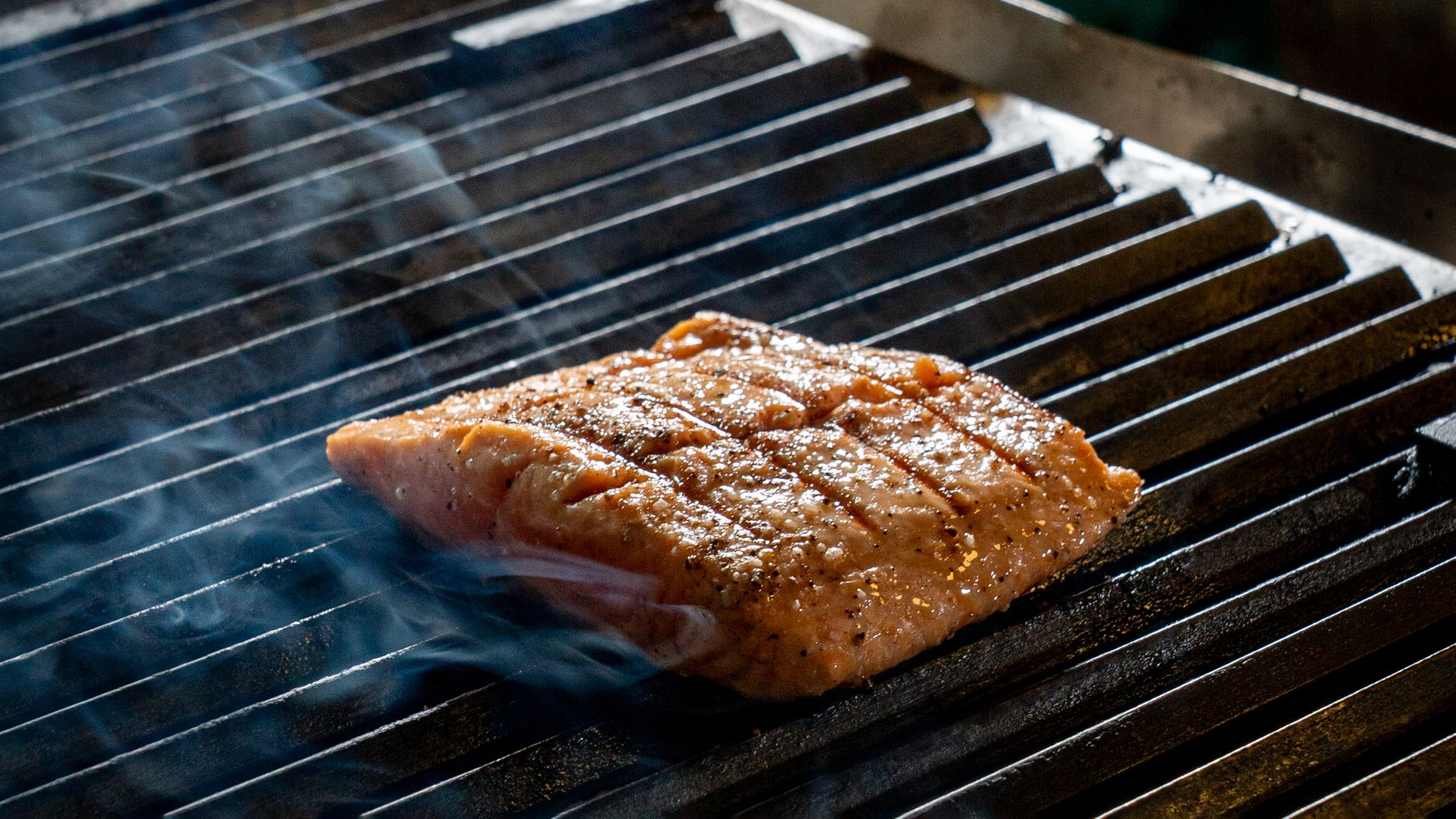
Grilling salmon is a popular cooking method that enhances its rich flavor and delicate texture. The key to perfectly grilled salmon lies in cooking it at the right temperature. Knowing the optimal grilling temperature not only affects the taste but also ensures food safety and a pleasing texture.
This article will guide you through the best temperature for grilling salmon, along with tips on cooking time, identifying doneness, and troubleshooting common grilling issues. Whether you are a novice or an experienced griller, this information will help you master the art of grilling salmon.
What Temp to Cook Salmon on Grill?
The ideal temperature for grilling salmon is between 350°F to 450°F (175°C to 230°C). At this temperature range, salmon cooks evenly and retains its moisture, resulting in a tender, flavorful dish. For best results, aim for the higher end of this range for a nicely charred exterior.
Why Temperature Matters
The temperature at which you cook salmon significantly affects its flavor, texture, and safety. Cooking at too low of a temperature may lead to uneven cooking, while too high of a temperature risks drying out the fish. Salmon is a fatty fish and requires optimal grilling conditions to retain its natural oils and flavors.
Preparation Steps Before Grilling Salmon
Before you begin grilling, proper preparation of the salmon is essential to ensure flavorful results.
Selecting Salmon
Freshness is vital when choosing salmon. Look for vibrant color, a moist texture, and a fresh ocean-like smell. The two most common types of salmon for grilling are:
- Atlantic Salmon: Known for its rich, buttery flavor and high-fat content, making it ideal for grilling.
- Wild Salmon: Variants like Chinook and Coho have a firmer texture and lower fat, requiring careful grilling to avoid dryness.
Preparing the Salmon
- Defrost if necessary: If using frozen salmon, make sure to defrost it in the refrigerator overnight.
- Remove the skin (optional): Many prefer to grill salmon with skin on for added flavor and protection against sticking. If you prefer skinless, carefully remove it before marinating.
- Marinate or season: Marinating for at least 30 minutes before grilling enhances the flavor. Use ingredients like olive oil, lemon juice, garlic, salt, and herbs.
- Bring to room temperature: Allow salmon to sit at room temperature for about 15 minutes before grilling for more consistent cooking.
Grilling Techniques for Salmon
Once you’ve properly prepared your salmon, the next step is grilling it. Here are some useful techniques for grilling salmon successfully.
Direct Grilling
For thin fillets and steaks, direct grilling is ideal. This method involves cooking the salmon directly over the heat source, allowing you to achieve a nice char.
Indirect Grilling
For thicker pieces, indirect grilling is recommended. This technique involves placing the salmon on the grill away from the heat source, allowing it to cook more evenly without burning.
Grilling Salmon: Step-by-Step Instructions
Follow these steps to grill salmon perfectly.
- Preheat the grill: Set your grill to medium-high heat (350°F to 450°F). If you are using a gas grill, allow it to preheat for about 10 minutes. For charcoal, ensure the coals are evenly heated and glowing.
- Oil the grill grates: Use a paper towel dipped in vegetable oil to grease the grates. This helps prevent sticking.
- Place salmon on the grill: For skin-on salmon, place the skin side down. If grilling without skin, it may be helpful to place the salmon on a piece of foil.
- Monitor the cooking time: Grill the salmon for about 4 to 6 minutes per side, depending on thickness and desired doneness.
- Use a food thermometer: For food safety, the internal temperature of the salmon should reach 145°F (63°C). This ensures it’s fully cooked.
- Let it rest: After removing the salmon from the grill, let it rest for about 3 to 5 minutes. This allows the juices to redistribute.
Identifying Doneness
Knowing when your salmon is done can be tricky. Here are some methods to check for doneness:
Visual Indicators
Cooked salmon will change from a translucent to opaque color. The flesh should flake easily with a fork when cooked through.
Temperature Check
The most accurate way to determine doneness is to use a food thermometer. As mentioned, the ideal internal temperature is 145°F (63°C).
Texture Test
Press the center of the salmon gently with a fork or finger. It should feel firm yet tender, with a slight resistance.
Common Mistakes to Avoid When Grilling Salmon
To achieve grilled salmon perfection, avoid these common pitfalls:
- Using a cold grill: Starting on low heat can lead to sticking and uneven cooking. Preheat adequately.
- Overcooking: Salmon can dry out quickly. Keep a close eye on cooking time and use a thermometer.
- Slicing too soon: Cutting into the salmon right off the grill can result in losing all the juices. Allow it to rest first.
Substitutions and Variations
While salmon is a standout protein, here are a few alternatives and variations you can try:
- Tilapia or Snapper: These milder white fish grill well. Cook at the same temperature, but reduce cooking time since they are generally thinner.
- Grilled Salmon Skewers: Cut salmon into cubes, marinate, and thread onto skewers (soak them first if using wood). Grill over medium heat until cooked through.
- Smoked Salmon: Use a smoker instead of a grill for deeper flavors, maintaining a lower temperature for a longer time.
Serving Suggestions
Grilled salmon can be served in various ways, enhancing its natural flavor:
- With Sides: Pair with grilled vegetables, rice pilaf, or a fresh salad with citrus dressing.
- On a Salad: Top mixed greens with flaked grilled salmon, avocado, and a light vinaigrette for a refreshing meal.
- Chilled as a Spread: Flake leftover salmon and mix with cream cheese and herbs for a flavorful spread on crackers or toast.
Storing and Reheating Grilled Salmon
Leftover grilled salmon can be a delicious addition to other meals. Here’s how to store and reheat it effectively:
- Storing: Allow the salmon to cool completely, then wrap tightly in plastic wrap or store in an airtight container. Refrigerate for up to 3 days.
- Reheating: Reheat gently in the oven at 275°F (135°C) for about 15 minutes, or use the microwave in short intervals to avoid drying it out.
Final Tips for Grilling Salmon
To recap, here are key takeaways for successfully grilling salmon:
- Preheat your grill to the right temperature of 350°F to 450°F.
- Use seasoning or a marinade to enhance the flavor.
- Cook until the internal temperature reaches 145°F, ensuring it flakes easily.
- Allow the salmon to rest after grilling for the juiciest results.
Grilling salmon can be simple and incredibly rewarding. With the right temperature and techniques, you can create a delicious meal that’s packed with flavor. Delve into your culinary skills and enjoy this nutritious fish grilled to perfection!
If you’re looking for more delicious fish options, consider checking out how long to cook tilapia or further tips for grilling salmon.