
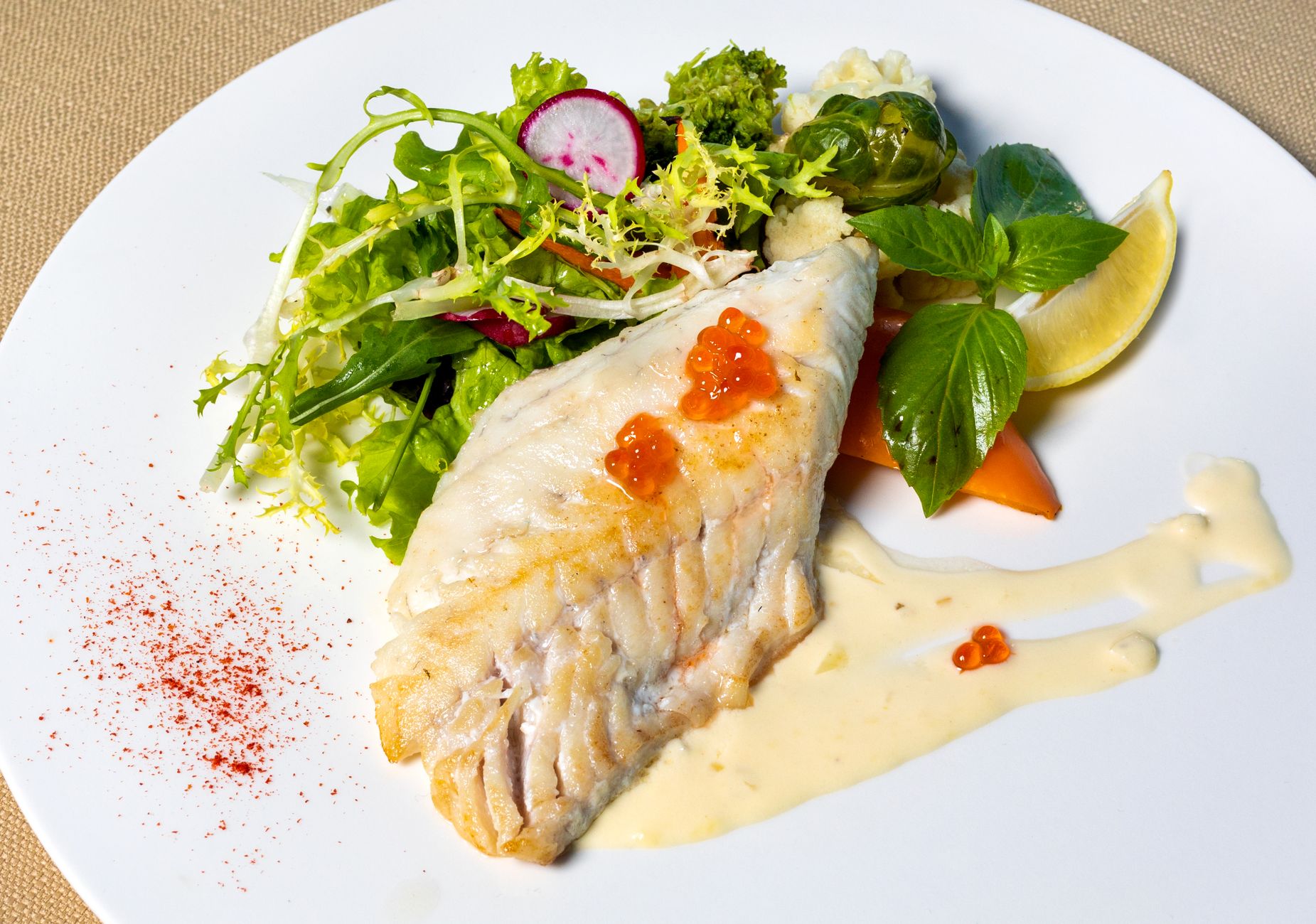
Cooking cod to the right temperature ensures a delicious and safe meal. Cod is a staple fish in many cuisines, known for its mild flavor and flaky texture. Whether you’re baking, grilling, or pan-frying, understanding the ideal cooking temperature for cod will help you achieve the best results.
This guide explores what temperature cod should be cooked to, how long to cook it, and tips for checking its doneness. You’ll gain valuable techniques to ensure perfectly cooked cod every time.
What Temp Is Cod Cooked?
Cod is best cooked to an internal temperature of 145°F (63°C). At this temperature, the fish will be opaque and will flake easily with a fork, ensuring that it is safe to eat while maintaining its moistness and flavor.
Why Cooking Temperature Matters
The right cooking temperature is crucial for several reasons. Firstly, undercooked fish can pose health risks, as it may harbor harmful bacteria or parasites. Cooking cod to the proper temperature ensures that it is safe to consume.
Secondly, cooking cod correctly enhances its flavor and texture. Cod is a delicate fish, and overcooking can lead to a dry, chalky texture. Cooking it to precisely 145°F allows the fish to remain moist, flaky, and tender, showcasing its natural taste.
Cooking Methods and Times for Cod
Different cooking methods affect how quickly cod reaches the ideal temperature. Below are common cooking methods, their recommended temperatures, and estimated cooking times.
Baking Cod
Baking cod is an easy and popular method that distributes heat evenly.
- Preheat oven: 400°F (200°C)
- Cooking time: 12-15 minutes, depending on the thickness of the fillet.
- Doneness check: Use a food thermometer to ensure the internal temperature reaches 145°F.
Grilling Cod
Grilling can add wonderful flavor and a smoky finish to cod.
- Preheat grill: Medium-high heat, about 375°F (190°C)
- Cooking time: 4-6 minutes per side.
- Doneness check: Check for an internal temperature of 145°F and ensure it flakes easily with a fork.
Pan-Frying Cod
Pan-frying cod gives it a crispy exterior while keeping it moist inside.
- Heat skillet: Medium-high heat with a tablespoon of oil
- Cooking time: 3-4 minutes per side.
- Doneness check: Ensure it reaches 145°F internally, flipping once.
Poaching Cod
Poaching is a gentle cooking method that helps retain moisture.
- Heat poaching liquid: Simmering, around 160-180°F (71-82°C)
- Cooking time: 8-10 minutes, depending on thickness.
- Doneness check: Cod should reach 145°F. It will appear opaque when done.
Steaming Cod
Steaming cod can also keep it moist while preserving its flavor.
- Boil water: Enough to fill the bottom of the steamer.
- Cooking time: 6-10 minutes, depending on thickness.
- Doneness check: The fish should reach 145°F and flake easily.
How to Check Cod Doneness
Aside from using a food thermometer, there are other methods to determine if cod is done:
- Fork test: Insert a fork into the thickest part of the fish. If it flakes easily, it’s likely done.
- Visual cues: The flesh should be opaque and lose its translucency.
- Time guide: Follow the suggested cooking times based on your chosen method, but use the thermometer for best results.
Substitutions and Variations for Cooking Cod
While cod is a wonderful fish to cook on its own, there are various seasoning and preparation techniques you can explore:
Flavoring Options
- Herbs and spices: Dill, parsley, paprika, and lemon zest can enhance cod’s natural flavors.
- Marinades: Consider a lemon butter sauce or soy sauce-based marinade for richer flavors.
- Breaded versions: Coating cod in panko breadcrumbs with herbs creates a crunchy texture.
Alternative Fish
If your recipe calls for cod but you cannot find it, consider these alternatives:
- Haddock: Similar in texture and mild flavor, often used in similar dishes.
- Pollock: A mild fish commonly used in fish sticks and similar preparations.
- Hake: A flaky fish that can replace cod in most recipes.
Common Mistakes When Cooking Cod
Even experienced cooks can make errors when cooking cod. Here are a few common pitfalls to avoid:
- Overcooking: Cod can become dry if cooked for too long. Keep a close watch on cooking times and check doneness frequently.
- Undercooking: While rare, it’s essential to ensure the fish reaches 145°F for safety. Use a thermometer for precise results.
- Using frozen fish directly: If cooking from frozen, increase cooking time and ensure it’s thawed for even cooking when possible.
Serving Suggestions for Cod
Cod is versatile and can be paired with various sides to create a satisfying meal:
- Vegetable sides: Roasted asparagus, sautéed spinach, or steamed broccoli serve as excellent accompaniments.
- Starches: Serve cod alongside mashed potatoes, rice pilaf, or couscous for a balanced meal.
- Sauces: Consider tartar sauce, lemon butter sauce, or a fresh salsa for added flavor.
Make-Ahead Tips for Cod
If you’re planning a meal that includes cod, here are some make-ahead tips:
- Prep in advance: Marinate or coat cod fillets in breading a few hours before cooking.
- Freezing: If you buy fresh cod, it can be frozen for later use. Ensure it’s tightly wrapped to avoid freezer burn.
- Ingredient prep: Prepare vegetable sides or sauces ahead of time to save on cooking time.
Storage and Reheating Guidelines
Proper storage ensures that leftover cod remains safe and tasty:
- Refrigeration: Store cooked cod in an airtight container in the refrigerator for up to 3 days.
- Freezing: For longer storage, freeze leftover cod for up to three months.
- Reheating: Gently reheat cod in the oven or a skillet over low heat to avoid drying it out.
Conclusion
Cooking cod to the right temperature is essential for both safety and enjoyment. By ensuring your cod reaches an internal temperature of 145°F, utilizing the proper cooking methods, and avoiding common mistakes, you can serve up moist, flavorful dishes that highlight this versatile fish.
If you’re looking for related recipes and cooking tips, explore our guides on various seafood preparations, grilling techniques, or meal-prepping seafood dishes to expand your culinary skills.