
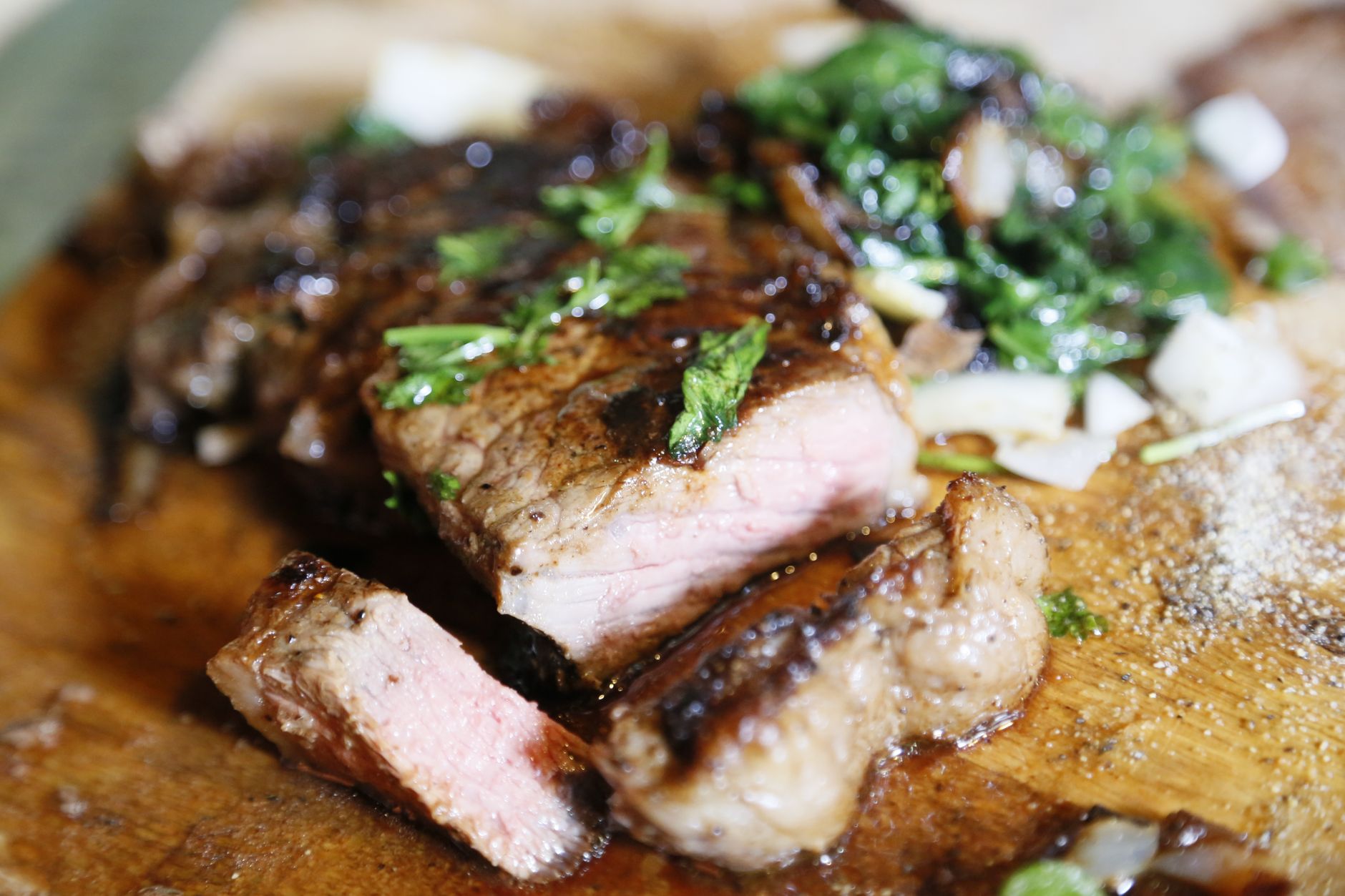
Cooking steak can be a delightful experience, but achieving the perfect doneness is crucial for a satisfying meal. Knowing precisely what temperature to cook a steak to reach medium doneness can make all the difference. This article will guide you through the ideal cooking temperature, how to use a meat thermometer, and other tips for grilling and cooking steak.
From flavor profile to texture, cooking steak to medium requires attention and precision. It is not just about the right temperature; it’s also about timing, techniques, and knowing your cut of meat. Let’s dive into what temperature a steak should reach for that coveted medium doneness.
What Temp Is a Steak Medium?
A medium steak reaches an internal temperature of 140°F to 145°F (60°C to 63°C). At this point, the steak will be warm and slightly pink in the center with a firm texture. It’s considered a popular doneness level for many steak lovers due to its rich flavor and juicy interior.
Understanding Steak Doneness Levels
Before we dive deeper into achieving medium doneness, let’s clarify the various doneness levels you may come across when cooking steak:
- Rare: 120°F to 125°F (49°C to 52°C) – cool red center.
- Medium Rare: 130°F to 135°F (54°C to 57°C) – warm red center.
- Medium: 140°F to 145°F (60°C to 63°C) – warm pink center.
- Medium Well: 150°F to 155°F (66°C to 68°C) – slightly pink center.
- Well Done: 160°F and above (71°C+) – no pink, very firm.
Understanding these levels is essential not just for achieving the desired taste but also for food safety, as different temperatures can affect the texture and doneness of the meat.
The Importance of Temperature Control
Using a proper meat thermometer is key to ensuring accuracy in cooking. This can help prevent overcooking or undercooking your steak. Here are two reliable thermometer types to consider:
- Instant-Read Thermometer: Quickly checks the internal temperature of the steak.
- Probe Thermometer: Can be left in while cooking, allowing for continuous temperature monitoring.
Using a thermometer can take the guesswork out of cooking steak, leading to perfect results every time.
How to Cook Steak to Medium Doneness
Cooking steak can be done in various ways, including grilling, pan-searing, and broiling. Here’s a step-by-step guide to cooking steak to medium on a grill and in a pan.
Grilling Steak to Medium
- Select Your Cut: Good cuts for grilling include ribeye, sirloin, porterhouse, and filet mignon.
- Preheat the Grill: Preheat your grill to high heat (around 450°F to 500°F or 232°C to 260°C).
- Prep the Steak: Season your steak generously with salt and pepper or your favorite marinade. Let it come to room temperature for about 30 minutes.
- Grill the Steak: Place the steak on the preheated grill. For a 1-inch thick steak, grill for about 4-5 minutes on one side. Flip it and cook for another 4-5 minutes.
- Check the Temperature: Use your meat thermometer to check the internal temperature. When it reads between 140°F and 145°F (60°C to 63°C), it’s done.
- Rest the Steak: Remove the steak from the grill and let it rest for 5-10 minutes. This allows the juices to redistribute.
Pan-Searing Steak to Medium
- Select Your Cut: Choose cuts like ribeye, strip, or sirloin for pan-searing.
- Heat Your Pan: Use a heavy skillet (cast iron or stainless steel) and heat it over medium-high heat. Add a tablespoon of oil with a high smoke point, such as canola or avocado oil.
- Prep the Steak: As earlier, season generously with salt and pepper, allowing it to come to room temperature.
- Sear the Steak: Place the steak in the hot pan. Don’t overcrowd the pan; cook in batches if necessary. Sear for 4-5 minutes on one side without moving it. This allows a good crust to form.
- Flip and Cook: Flip the steak over and cook for 4-5 more minutes for medium doneness.
- Check the Temperature: Use your meat thermometer to guarantee an internal temperature of 140°F to 145°F (60°C to 63°C).
- Rest the Steak: Let the steak rest for 5-10 minutes before slicing. This enhances flavor and juiciness.
Common Mistakes to Avoid
Even seasoned cooks can make mistakes when aiming for medium doneness. Here are a few common pitfalls and how to avoid them:
- Skipping the Thermometer: Relying on color alone can lead to overcooked or undercooked steak. Always use a thermometer.
- Not Letting the Steak Rest: Cutting into a steak too soon leads to juices running out. Patience yields better results.
- Overcrowding the Pan: Cooking too many steaks at once can drop the heat of the pan, preventing a proper sear.
- Not Seasoning Enough: A proper seasoning brings out the best flavors in your meat. Don’t skip it!
Practical Tips for Cooking Steak
Cooking steak can be enhanced with a few additional considerations:
- Select Quality Cuts: Grass-fed, organic, or well-marbled cuts provide better flavor and texture.
- Consider Marinades: Marinades can enhance flavor and tenderness. Acidic components (like vinegar or citrus) can help tenderize the meat.
- Experiment with Cooking Times: Different thicknesses may require slight adjustments in timing. Always check the temperature.
- Adjust Heat Levels: Depending on your stove or grill system, you may need to decrease or increase heat levels for optimal doneness.
Serving Suggestions
Once your steak reaches that delightful medium doneness, serve it alongside complementary sides to enhance the meal. Here are some suggestions:
- Garlic Mashed Potatoes: Creamy and flavorful, a perfect match.
- Grilled Vegetables: Seasonal vegetables add color and nutrition.
- Mixed Greens Salad: A fresh salad can balance the richness of the steak.
- Red Wine: A full-bodied red wine can enhance the flavors of your steak.
Make-Ahead and Storage Tips
While steak is often best cooked fresh, here are some tips if you want to prep in advance:
- Marinate Ahead: You can marinate steak a day in advance for enhanced flavor.
- Cook and Refrigerate: Cooked steak can be refrigerated for up to 3-4 days. Reheat it gently to avoid overcooking.
- Freeze for Later: Cooked steak can be frozen, but texture may be affected upon thawing. Wrap it tightly to prevent freezer burn.
Conclusion
Reaching the perfect medium steak temperature takes practice, but it’s a gratifying pursuit. By using a meat thermometer, selecting quality cuts, and following the outlined instructions and tips, you’ll be well on your way to mastering steak cooking.
Next time you’re ready to grill, follow this guide for a delicious medium steak. Explore related recipes and helpful tips, such as our steak seasoning recipe and baked steak recipe for additional inspiration!