
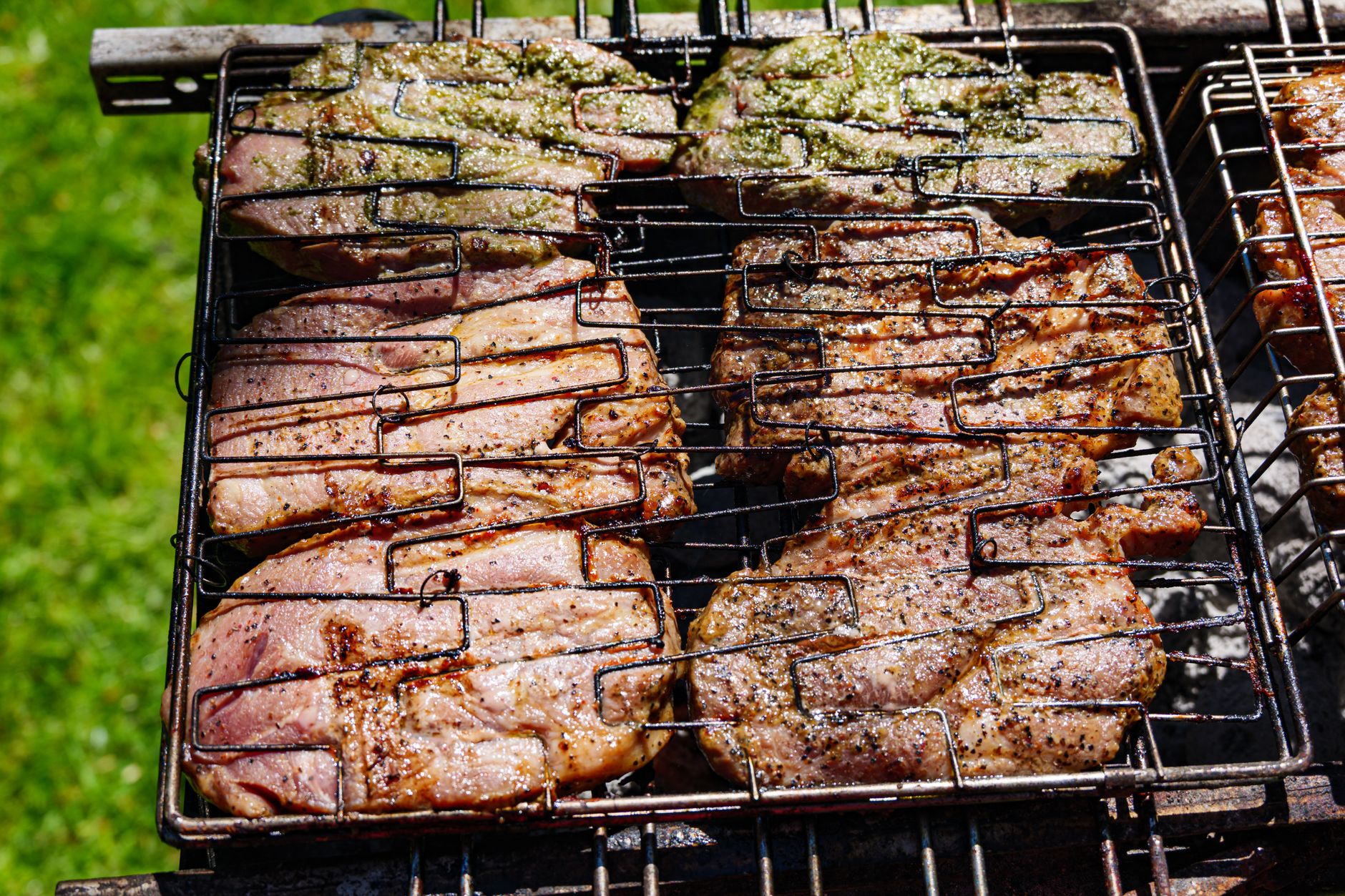
Understanding the ideal cooking temperatures for pork is crucial for achieving delicious and safe results. Pork can be prepared in various ways, including roasting, grilling, and slow-cooking. Each method often requires different temperatures to ensure proper cooking, tenderness, and flavor.
In this guide, we will explore the recommended cooking temperatures for different cuts of pork, how to tell when your pork is done, and tips for cooking methods that work best for each cut. Whether you are a novice or an experienced chef, mastering these temperatures will ensure your pork dishes are satisfying and safe.
What Temperature Should Pork Be Cooked To?
The USDA recommends cooking pork to an internal temperature of 145°F (63°C) followed by a three-minute rest time. This applies to whole cuts of pork, such as pork chops, roasts, and loin. Ground pork, on the other hand, should reach a minimum internal temperature of 160°F (71°C).
Let’s break down the recommended internal temperatures further by the specific type of pork cut.
Recommended Temperatures for Different Pork Cuts
Pork Chops
Pork chops are often cut from the loin and can be quite tender when cooked properly. The ideal cooking temperature for pork chops is 145°F (63°C). Allowing them to rest for three minutes after cooking will help retain their juices.
Pork Loin
Pork loin is another cut that benefits from cooking to an internal temperature of 145°F (63°C). This cut can be dry if overcooked, so be diligent with a meat thermometer.
Pork Tenderloin
The most tender cut of pork, the tenderloin, should also be cooked to 145°F (63°C) with a resting time afterward. This ensures that the juices redistribute throughout the meat.
Pork Ribs
For pork ribs, the temperature can vary depending on the preparation method. Typically, ribs cooked to a temperature of 190°F (88°C) to 203°F (95°C) will result in tender meat that falls off the bone due to the breakdown of connective tissue.
Pork Shoulder
Pork shoulder, often used for barbecuing and slow cooking, should be cooked to an internal temperature of 195°F (90°C) to allow collagen to break down, making it tender and flavorful.
Ground Pork
Ground pork should be cooked to 160°F (71°C) to ensure safety. Since it can often contain bacteria from the surface, it is essential to cook it thoroughly.
How to Check the Temperature of Pork
Using a meat thermometer is the most effective way to check pork’s doneness. Insert the thermometer into the thickest part of the meat, avoiding bones or fatty areas, as they can give inaccurate readings.
When cooking a roast, checking the temperature near the center is crucial. For smaller cuts, like chops or steaks, place the thermometer sideways into the meat for a more accurate temperature reading.
Common Cooking Methods for Pork and Their Suggested Temperatures
Grilling
When grilling pork chops or steaks, preheat your grill to medium-high heat, about 375°F (190°C). Cook until they reach the desired internal temperature, flipping once.
Oven Roasting
Oven roasting is perfect for tender cuts like pork loin. Preheat your oven to 375°F (190°C) and roast until the internal temperature reaches 145°F (63°C). Using a roasting pan can help collect juices.
Slow Cooking
Slow-cooking pork shoulder or ribs requires low heat and moisture. Set your slow cooker to low (around 200°F / 93°C) and cook until the internal temperature reaches 195°F (90°C) or higher for shredding.
Searing
Searing can add a great flavor to pork. Heat a skillet over medium-high heat and sear each side for a few minutes before finishing in the oven or on lower heat until it reaches 145°F (63°C).
Stovetop Cooking
For skillet-cooking pork chops, preheat a skillet over medium heat. Cook each side until browned and proceed to check the internal temperature for doneness.
Tips for Cooking Pork to Perfection
- Use a meat thermometer for accuracy.
- Allow pork to rest after cooking to ensure juiciness.
- Use a brine or marinade to enhance flavor and moisture.
- Choose the correct cooking method based on the cut of meat.
- Let the meat sit at room temperature for about 30 minutes before cooking for even cooking.
Common Mistakes and Troubleshooting
Overcooking pork can lead to dryness and toughness. Always check internal temperatures and avoid relying solely on visual cues, as pork can look done but may not be safe to eat.
- Invest in a good meat thermometer to avoid guessing.
- Don’t skip resting times; they are important for flavor and texture.
- Be cautious with marinades containing acid; they can tenderize but also make the meat mushy if used for too long.
Cooking Pork for Different Dietary Preferences
Pork is versatile and can fit into many dietary preferences with appropriate cooking methods and seasonings. Here are some suggestions:
- Keto-Friendly: Focus on fatty cuts like pork belly or shoulder, cooking them low and slow.
- Low-Calorie: Choose lean cuts like pork tenderloin, and grill or bake them with herbs and spices for flavor without calories.
- Gluten-Free: Most pork dishes are naturally gluten-free, but make sure sauces and marinades are certified gluten-free.
- Paleo: Source grass-fed pork and focus on simple seasonings and cooking methods like roasting or grilling.
Storage and Reheating Pork
Proper storage is essential for maintaining the quality and safety of cooked pork. Always allow cooked pork to cool to room temperature before refrigerating. Here are storage guidelines:
- Store leftover cooked pork in an airtight container in the refrigerator for up to three to four days.
- For longer storage, wrap pork tightly in freezer-safe wrap and freeze. It can last for about six months.
When reheating, ensure that pork reaches an internal temperature of 165°F (74°C) to remain safe to eat. The microwave and oven are both effective methods for reheating.
Conclusion
Knowing the right temperatures for cooking different cuts of pork can elevate your culinary skills and guarantee tender, flavorful results. Always remember the recommended internal temperatures and to use a meat thermometer for accuracy.
Ready to dive into more delicious pork recipes? Explore how to bake boneless pork chops or try a baked pork chop recipe for perfect, flavorful meals every time.