
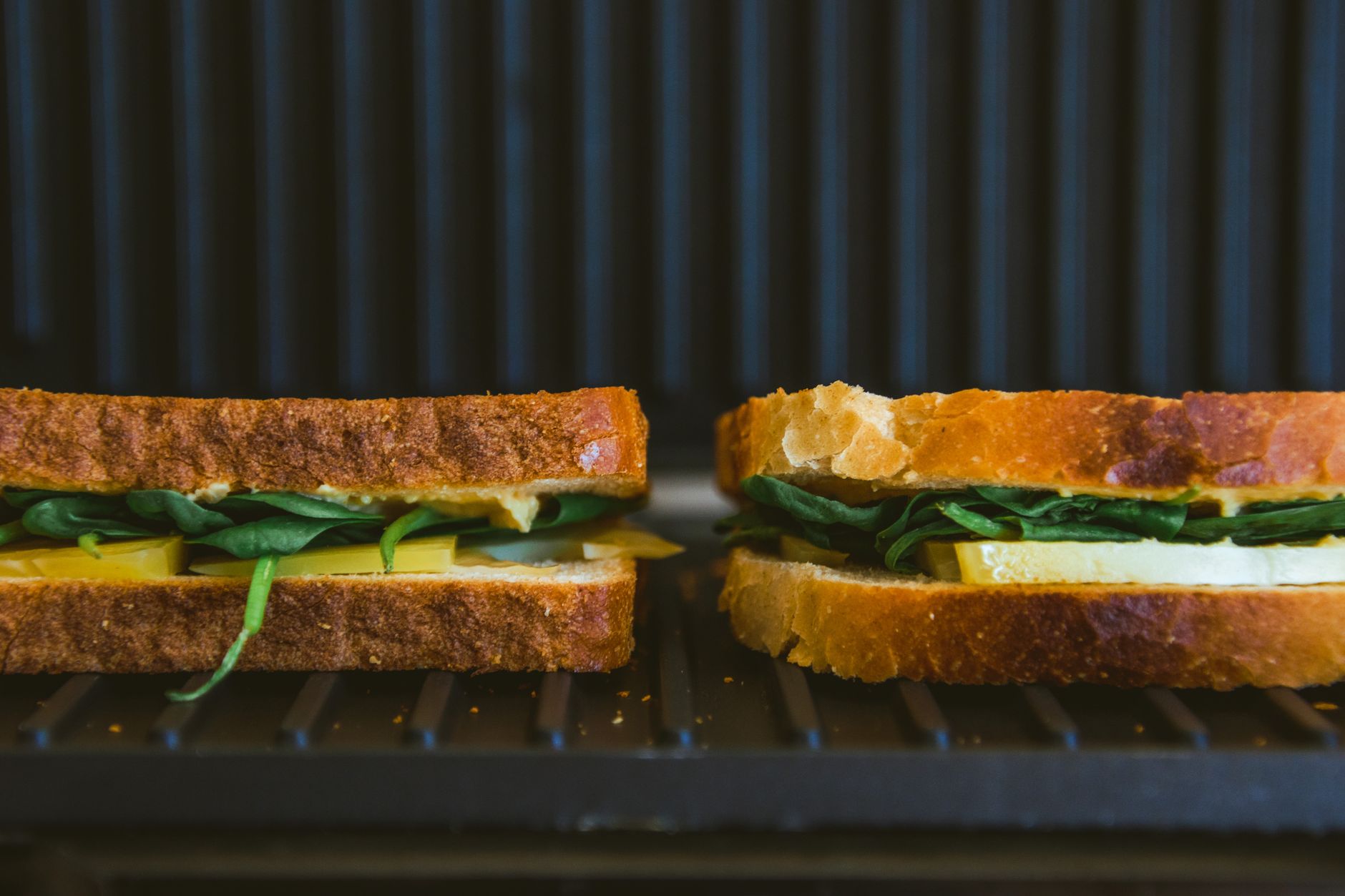
Grilled cheese sandwiches are a beloved comfort food, cherished for their crisp exterior and gooey, melted cheese interior. The key to achieving the perfect grilled cheese lies not only in the choice of bread and cheese but also in the temperature at which you cook it. Getting the right temperature can mean the difference between a soggy mess and a golden, crunchy delight.
This guide will walk you through everything you need to know about the ideal temperature for grilling cheese, including cooking times, techniques, and tips for making a delicious sandwich each time. Whether you are cooking for yourself or a crowd, mastering the grilled cheese sandwich is a skill worth perfecting.
What Temp For Grilled Cheese?
The ideal temperature for grilling cheese is around 350°F to 375°F (175°C to 190°C). This range allows the bread to toast evenly while ensuring that the cheese melts to a perfect, gooey consistency. Cooking at temperatures outside this range—either too low or too high—can lead to undesired texture or flavor.
Why Is Temperature Important?
The temperature at which you grill your cheese sandwich affects multiple factors including texture, flavor, and presentation. Here’s why it matters:
- A temperature that is too low can lead to bread that is dry and chewy, with cheese that does not melt properly.
- A temperature that is too high can result in burnt bread while the cheese remains unmelted inside.
- The right temperature allows for even cooking, leading to a satisfying crunch on the outside with a soft, gooey inside.
Essential Ingredients for Grilled Cheese
To create a classic grilled cheese sandwich, you’ll need just a few essential ingredients. Here’s what to gather:
- Bread: Sliced white, sourdough, whole wheat, or any type of your choice. The thickness and type of bread will affect cooking time.
- Cheese: Popular choices include American, cheddar, mozzarella, or a combination. Choose cheese that melts well.
- Butter or Oil: For a crispy crust, butter is most commonly used. Some people prefer oil or a combination for different flavor profiles.
Recommended Cheeses for Grilled Cheese
The choice of cheese affects the taste and melting quality of your grilled cheese sandwich. Here are some excellent options:
- American: Melts easily and has a mild flavor.
- Cheddar: Offers a rich flavor; sharp varieties provide a punch.
- Mozzarella: Gives a stretchy texture.
- Provolone: Melts smoothly with a nice flavor balance.
- Gruyère: A more gourmet choice; adds elegance and depth with excellent melting properties.
Cooking Equipment Needed
To make grilled cheese, you’ll need minimal equipment. Here are the essentials:
- Skillet or Griddle: Non-stick skillets work great for a crispy finish.
- Spatula: To flip the sandwich safely.
- Meat Thermometer (optional): This can help ensure your cooking temperature is accurate.
Ideal Cooking Method
1. Preparing the Sandwich
- Preheat your skillet or griddle to a medium heat, around 350°F to 375°F.
- Spread butter or oil on one side of each slice of bread.
- Place one slice of bread, butter-side down, in the skillet.
- Layer your choice of cheese on top.
- Top with the second slice of bread, butter-side up.
2. Cooking the Sandwich
- Cook for approximately 2-4 minutes until the bottom is golden brown.
- Carefully flip the sandwich using a spatula.
- Cook the second side for another 2-4 minutes until golden brown and the cheese is melted.
- If you’re unsure if the cheese has melted, you can use a meat thermometer to check the internal temperature, which should be around 160°F.
- Remove from heat and allow to cool slightly before cutting and serving.
Timing and Temperature Guide
Here’s a quick reference guide for timing and temperature:
| Temperature (°F) | Cooking Time | Notes |
|---|---|---|
| 325°F | 4-6 minutes | Cheese may not melt completely before bread browns. |
| 350°F | 3-5 minutes | Perfect balance; cheese melts evenly. |
| 375°F | 2-4 minutes | May need to adjust time to prevent burning. |
Common Mistakes to Avoid
Even the simplest recipes can sometimes go awry. Here are some common mistakes to avoid when making grilled cheese:
- Using too much heat: This can cause the bread to burn before the cheese has a chance to melt.
- Rushing the cooking process: Taking your time is crucial for achieving that perfect melt and golden crust.
- Not using enough fat: Insufficient butter or oil can lead to uneven cooking and sticking.
Practical Substitutions
Not all grilled cheese sandwiches need to be made with traditional ingredients. Here are some practical substitutions:
- Bread: Use gluten-free bread for a gluten-free option or buy whole grain for added nutrition.
- Cheese: Try vegan cheese or nut-based alternatives for a dairy-free version.
- Spreads: Experiment with pesto, mayonnaise, or mustard instead of butter for additional flavors.
Serving Suggestions
A well-made grilled cheese can stand on its own, but it can also be complemented beautifully by various accompaniments:
- Soups: A classic pairing is tomato soup, but try it with potato or butternut squash soups as well.
- Salads: A light salad can balance the richness of grilled cheese.
- Pickles: Adding dill pickles or pickled vegetables can provide a nice contrast in flavor.
Making Ahead and Storage
For those who like to meal prep, consider these tips:
- You can prepare a grilled cheese sandwich in advance, wrap it in foil, and refrigerate it for a day. Reheat in a skillet for a few minutes on each side.
- Freezing grilled cheese is not ideal, as the texture may suffer when reheated. However, the components can be frozen separately; just assemble and grill when ready.
Reheating Grilled Cheese
If you have leftovers, reheating them properly is key to enjoying them again:
- Place the sandwich in a skillet over low heat, cooking for a few minutes on each side until heated through.
- Use an oven or toaster oven: wrap in foil to prevent burning while ensuring the inside is warm.
Variations to Try
While traditional grilled cheese is fabulous, you can elevate your sandwich with these variations:
- Fancy Grilled Cheese: Add caramelized onions, sautéed mushrooms, or spinach for gourmet touches.
- Spicy Grilled Cheese: Include jalapeños or hot sauce for those who like heat.
- Caprese Grilled Cheese: Use fresh mozzarella, tomatoes, and basil for an Italian twist.
By understanding the right temperature and techniques, you’ll master the art of making delicious grilled cheese sandwiches. Tailor it to your taste with various breads and cheeses, and don’t hesitate to try new combinations and sides!
Explore more related recipes like the Starbucks Grilled Cheese Recipe and the unique flavor of a Cottage Cheese Flatbread Recipe to expand your culinary skills.