
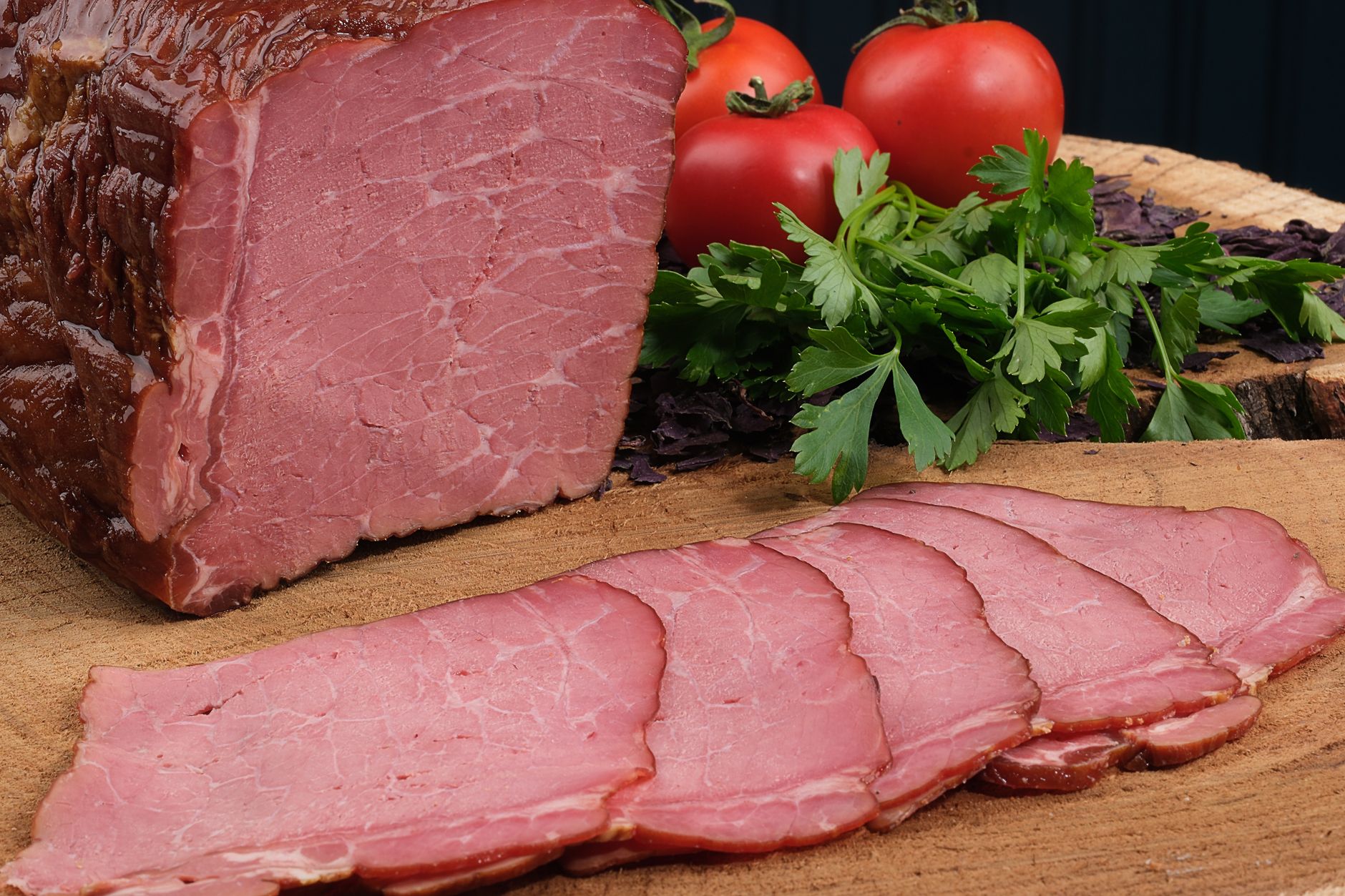
Corned beef, a flavorful and tender cut of meat, is a staple in many households, especially around St. Patrick’s Day. But what temperature should you cook corned beef to achieve the best taste and texture? Understanding cooking temperatures, how the meat interacts with heat, and how to check for doneness will help you serve the perfect corned beef at your next meal.
This guide will provide an in-depth look at the optimal temperatures for cooking corned beef, along with cooking times, doneness checks, and tips for the best results. Whether you’re using a slow cooker, oven, or stovetop, precise temperatures make a significant difference in flavor and texture.
What Temp for Corned Beef?
The ideal temperature for cooking corned beef is 190°F to 205°F (88°C to 96°C) for optimal tenderness. This range allows the connective tissues in the meat to break down, resulting in a juicy and flavorful dish. Cooking to this temperature will ensure that the corned beef is tender enough to slice easily and has absorbed the seasoning from the brine.
Understanding Corned Beef
Corned beef is typically made from brisket, which is cured in a brine solution containing salt, spices, and sometimes sugar. The curing process gives the meat a distinctive flavor and color. When cooking, it’s crucial to remember that corned beef is already cooked through the brining process, so your goal is to heat it to the right temperature for serving.
What Makes the Perfect Corned Beef?
- Flavor: The brining process infuses the meat with a salty, savory flavor.
- Texture: When cooked low and slow to the right internal temperature, corned beef becomes tender and easy to slice.
- Moisture: Wrapping in foil or cooking in broth can help retain moisture during cooking.
Preparing Corned Beef
Before cooking, properly prepare your corned beef. Here’s how you can get it ready for the heat:
- Rinse: You may want to rinse corned beef to remove excess salt from the brine. This is optional, depending on your taste preference.
- Soak: If the beef is exceptionally salty, soaking it in cold water for a few hours can help balance the flavor.
- Season: After rinsing (if desired), you can rub your choice of spices on the meat, although corned beef usually comes pre-seasoned.
- Cut: Trim any excess fat if necessary, but leave some for flavor.
Cooking Methods for Corned Beef
There are several popular methods for cooking corned beef, each producing slightly different textures and flavors. Below, we outline the three most common methods and their recommended temperatures:
1. Cooking Corned Beef in a Slow Cooker
Using a slow cooker is one of the most reliable methods for preparing corned beef. This method allows the meat to become very tender while retaining its moisture.
- Place the rinsed corned beef in the slow cooker with the spice packet (if included) and cover with water or broth.
- Set the slow cooker on low for 8 to 10 hours or on high for 4 to 5 hours.
- Check the temperature with a meat thermometer after the cooking time. It should read between 190°F and 205°F (88°C to 96°C).
- Let the meat rest for 15 to 20 minutes before slicing.
2. Cooking Corned Beef in the Oven
Oven-cooking corned beef yields a delicious, roasted piece of meat that is easy to slice. Here’s how to do it:
- Preheat the oven to 300°F (149°C).
- Place the corned beef in a baking dish and cover it with water or broth.
- Cover the dish tightly with aluminum foil.
- Bake for approximately 3 to 4 hours, or until the internal temperature reaches 190°F to 205°F (88°C to 96°C).
- Allow the meat to rest for 15 minutes before slicing against the grain.
3. Cooking Corned Beef on the Stovetop
This method is fast and works well for producing moist corned beef quickly.
- In a large pot, place the corned beef and cover it with water. Add the spice packet as desired.
- Bring the water to a boil, then reduce the heat to low.
- Cover the pot and simmer for about 2.5 to 3 hours. The meat should reach an internal temperature of 190°F to 205°F (88°C to 96°C).
- Remove from heat and allow it to rest before slicing.
Checking the Doneness of Corned Beef
Using a meat thermometer is the most reliable way to ensure that your corned beef is cooked to the appropriate temperature. Insert the thermometer into the thickest part of the meat without touching bone, which can give a false reading. Here’s what to look for:
- Under 190°F (88°C): The meat may be tough and chewy.
- 190°F to 205°F (88°C to 96°C): The meat will be tender, sliceable, and flavorful.
- Over 205°F (96°C): While still okay to eat, it may begin to dry out or fall apart.
Common Mistakes When Cooking Corned Beef
A few errors can impact your corned beef’s final outcome. Avoid these pitfalls for the best results:
- Not Using a Thermometer: Eyeing the color of the meat can be misleading. Always use a thermometer for accuracy.
- Cooking at Too High a Temperature: High heat can make corned beef tough. Low and slow is the best method.
- Skipping Resting Time: Resting allows juices to redistribute within the meat. Don’t skip this crucial step.
Serving Suggestions for Corned Beef
Once your corned beef is cooked and rested, it’s time to serve it deliciously. Here are a few serving ideas:
- Classic Sandwich: Serve thin slices on rye bread with mustard.
- With Cabbage: Boil or roast sliced cabbage alongside the corned beef for a traditional St. Patrick’s Day meal.
- Hash: Use leftovers to make corned beef hash, a delicious breakfast option.
Make-Ahead and Storage Guidelines
Corned beef can be made ahead of time and stored for later use. Here are some tips for storing and reheating:
- Refrigeration: Store leftover corned beef in an airtight container in the refrigerator for up to four days.
- Freezing: You can freeze cooked corned beef for up to two months. Wrap it tightly in foil or freezer wrap.
- Reheating: To reheat, slice the corned beef and warm in a skillet over low heat, adding a splash of broth if needed to keep it moist.
Variations and Substitutions
Corned beef can be customized in various ways. Here are some variations to consider:
- Cooking Liquid: Use apple cider, beer, or root beer instead of water for added flavor.
- Spices: Experiment with spices in the brine. Add garlic, bay leaves, and crushed peppercorns for a different flavor profile.
- Vegetables: Along with cabbage, consider adding potatoes, carrots, and onions to the pot while cooking for a one-pot meal.
Corned Beef in Different Cuisines
Corned beef is a beloved dish in many cultures. Here are a few notable mentions:
- Irish: Traditionally served on St. Patrick’s Day, often with cabbage and potatoes.
- Jewish: Often featured in deli-style sandwiches paired with rye bread, mustard, and pickles.
- Latin American: Used in dishes such as “ropa vieja,” where it is shredded and mixed with spices and sauces.
Whether for St. Patrick’s Day or a comforting weekend meal, cooking corned beef presents a delightful experience of flavor and tradition. By following the right temperature guidelines and techniques, you can prepare a perfectly tender and delicious corned beef that will impress your family and friends.
Those interested in expanding their culinary repertoire can also explore delicious dishes like corn souffle and cornbread pudding for even more flavorful options.